Poor circulation is fixed by treating the cause. For some people, circulation improves with walking, leg elevation, compression stockings, hydration, quitting smoking, and managing conditions like high blood pressure or diabetes. But if poor circulation is caused by vein disease, varicose veins, chronic venous insufficiency, PAD, or a blood clot, lifestyle changes alone may not be enough.
If your symptoms include leg swelling, heaviness, aching, visible varicose veins, skin discoloration, or slow-healing sores, a vein specialist can check whether damaged vein valves are causing blood to pool in your legs. When vein disease is the cause, minimally invasive vein treatment may help redirect blood flow through healthier veins and improve symptoms.
What Is Poor Circulation?
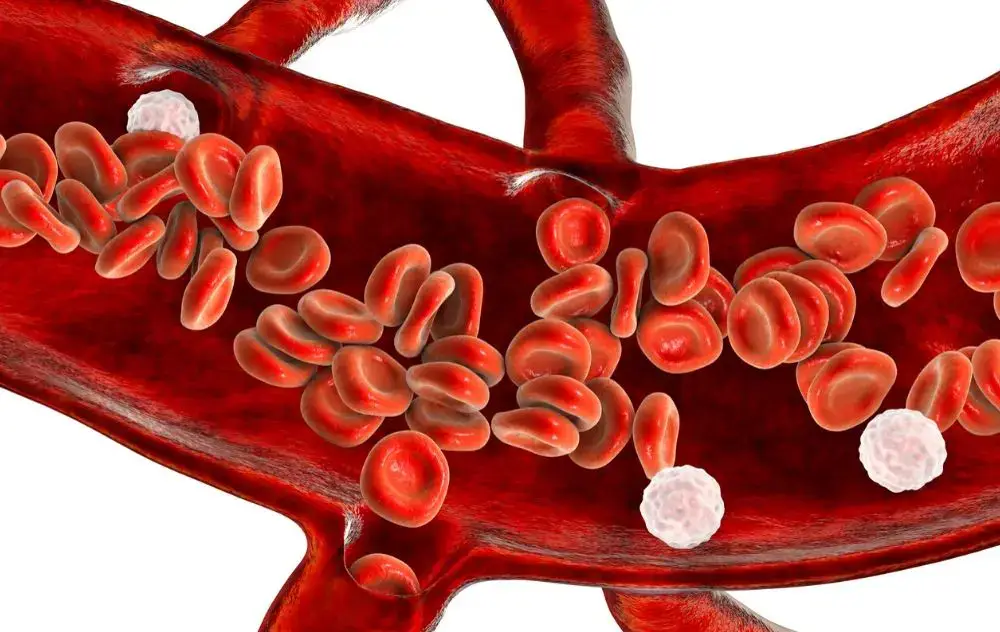
Poor circulation means blood is not moving efficiently through part of the body. In the legs, this can happen when veins have trouble sending blood back to the heart or when arteries have trouble carrying oxygen-rich blood to the legs and feet.
That distinction matters:
| Type of circulation problem | What happens | Common signs |
|---|---|---|
| Venous circulation problem | Blood has trouble returning from the legs to the heart | Leg swelling, heaviness, aching, varicose veins, skin changes |
| Arterial circulation problem | Oxygen-rich blood has trouble reaching the legs or feet | Leg pain while walking, cold feet, numbness, slow-healing wounds |
Common Symptoms of Poor Circulation in the Legs
Poor circulation symptoms can vary depending on the cause. In the legs and feet, symptoms may include:
- Swollen legs, ankles, or feet
- Heavy, tired, or aching legs
- Cold feet or legs
- Numbness or tingling
- Muscle cramping
- Itching, burning, or skin irritation
- Skin discoloration around the ankles or lower legs
- Visible varicose veins or spider veins
- Slow-healing wounds or leg ulcers
Symptoms such as sudden leg swelling, severe pain, redness, warmth, chest pain, shortness of breath, or sudden loss of feeling in the foot may require urgent medical care.
Not only can poor circulation cause painful or uncomfortable symptoms, but it can also increase the risk of serious health issues. When left untreated, lack of circulation can lead to slow or non-healing wounds that turn into ulcers on the legs, the development of blood clots, or even a rare condition known as the May-Thurner Syndrome (MTS). And is also a symptom of vein disease.
What Causes Poor Circulation?
Poor circulation is not one single condition. It is usually a sign that something is affecting blood flow. Common causes include:
Chronic Venous Insufficiency
Chronic venous insufficiency occurs when vein valves do not work properly. Healthy leg veins push blood upward toward the heart. When valves weaken or become damaged, blood can flow backward and pool in the legs. This can lead to swelling, heaviness, aching, varicose veins, skin changes, and venous ulcers.
Treatment cannot always repair damaged vein valves, but it may improve symptoms and help blood move through healthier veins. Cleveland Clinic notes that treatment for chronic venous insufficiency cannot reverse valve damage, but it can improve symptoms and quality of life.
Varicose Veins
Varicose veins are enlarged, twisted veins that often appear on the legs. They can be more than a cosmetic concern. Varicose veins may signal underlying venous reflux, where blood pools instead of flowing efficiently back to the heart.
Peripheral Artery Disease
Peripheral artery disease, or PAD, happens when narrowed arteries reduce blood flow to the legs. This is different from vein disease. PAD may cause leg pain while walking, cold feet, numbness, or wounds that do not heal well. If PAD is suspected, a vascular specialist should evaluate arterial blood flow.
Blood Clots
A blood clot can block or restrict circulation. Symptoms may include sudden swelling, pain, tenderness, warmth, or redness in one leg. This can be serious and should be evaluated promptly.
Diabetes, High Blood Pressure, and High Cholesterol
These conditions can affect blood vessels and nerves, increasing the risk of circulation problems. Managing these conditions is an important part of protecting vascular health.
Smoking and Inactivity
Smoking damages blood vessels and can restrict blood flow. Sitting or standing for long periods can also make leg symptoms worse, especially for people with vein disease.
How Do You Improve Poor Circulation Naturally?
Natural steps may help support circulation, especially when symptoms are mild or related to lifestyle factors. They may also help before and after medical treatment.
1. Walk Regularly
Walking activates the calf muscles, which help push blood from the legs back toward the heart. Even short walking breaks during the day can help reduce stiffness, swelling, and heaviness.
2. Elevate Your Legs
Raising your legs above heart level can help reduce swelling and pressure caused by blood pooling in the legs. If symptoms tend to worsen at night, these tips for improving leg circulation while sleeping can help you support healthier blood flow while you rest.
3. Avoid Sitting or Standing Too Long
If you sit at a desk or stand for work, take movement breaks. Flex your ankles, walk for a few minutes, or shift positions often.
4. Wear Compression Stockings When Recommended
Compression stockings apply gentle pressure to the legs and can help veins move blood upward. Mayo Clinic describes compression stockings as a common first approach for varicose veins because they help veins and leg muscles move blood.
5. Stay Hydrated and Eat a Heart-Healthy Diet
Hydration supports healthy blood flow. A diet rich in vegetables, fruits, whole grains, lean proteins, and healthy fats can support blood vessel health. Maintaining healthy vitamin D levels may also support vascular health, while low vitamin D can affect vein health and circulation
6. Manage Blood Pressure, Diabetes, and Cholesterol
Poor circulation may worsen when underlying conditions are not controlled. Work with a healthcare provider to manage these risks.
How To Fix Poor Circulation With Treatment
Lifestyle habits can support circulation, but they do not always fix the underlying problem. If poor circulation is caused by chronic venous insufficiency, varicose veins, PAD, or a blood clot, you may need medical diagnosis and treatment.
You should consider a vein evaluation if you have:
- Leg swelling that keeps coming back
- Heavy, tired, or aching legs
- Varicose veins
- Skin discoloration near the ankles
- Itchy or irritated skin on the lower legs
- Leg wounds that heal slowly
- Symptoms that worsen after sitting or standing
- A family history of vein disease
How Doctors Diagnose Poor Circulation in the Legs
A vein specialist may begin with a physical exam and a review of your symptoms, medical history, and risk factors. If vein disease is suspected, the provider may recommend ultrasound vein mapping.
A venous ultrasound can show how blood flows through your leg veins and whether vein valves are working properly. This helps determine whether symptoms are related to venous reflux, varicose veins, or another vascular issue.
Medical Treatments for Poor Circulation Caused by Vein Disease
When poor circulation symptoms are caused by vein disease, treatment focuses on closing or treating diseased veins so blood can reroute through healthier veins. Many vein treatments are minimally invasive and performed in an outpatient setting.
Treatment options may include:
Endovenous Laser Treatment
Endovenous laser treatment, or EVLT, uses laser energy to close a diseased vein. Blood naturally reroutes through nearby healthy veins.
Radiofrequency Ablation
Radiofrequency ablation, or RFA, uses heat energy to close a problem vein. It is commonly used for larger varicose veins and venous reflux.
VenaSeal
VenaSeal uses a medical adhesive to close the affected vein. It may be recommended for certain patients based on ultrasound findings and anatomy.
Varithena
Varithena is a foam treatment used for certain varicose veins. It helps close diseased veins so blood can redirect through healthier veins.
Ultrasound-Guided Sclerotherapy
Ultrasound-guided sclerotherapy uses imaging guidance and an injectable solution to treat problem veins beneath the skin.
The right option depends on your symptoms, ultrasound results, medical history, and the veins involved.
Can Poor Circulation Be Reversed?
Poor circulation may improve when the underlying cause is treated. If symptoms are caused by vein disease, treatment may reduce swelling, heaviness, aching, and visible varicose veins. However, damaged vein valves may not return to normal on their own.
That is why diagnosis matters. The goal is not just to temporarily improve blood flow. The goal is to identify the reason circulation is poor and treat the condition causing it.
When Is Poor Circulation Serious?
Seek urgent medical care if you experience:
- Sudden severe leg pain
- Sudden swelling in one leg
- Redness, warmth, and tenderness in the leg
- Chest pain or shortness of breath
- Sudden numbness or loss of feeling in the foot
- A foot that becomes pale, blue, or unusually cold
- A wound that is worsening or not healing
These symptoms may point to a blood clot, arterial blockage, infection, or another serious condition.
How to Prevent Poor Circulation From Getting Worse
You may not be able to prevent every circulation problem, especially if genetics, age, pregnancy history, or past blood clots are involved. But you can lower your risk and support healthier blood flow by:
- Walking or exercising regularly
- Avoiding long periods of sitting or standing
- Elevating your legs when swollen
- Wearing compression stockings if recommended
- Maintaining a healthy weight
- Quitting smoking
- Managing diabetes, blood pressure, and cholesterol
- Getting evaluated when symptoms persist
Click to Call and Schedule a Consultation
When to See a Vein Specialist For Fixing Poor Circulation
Noninvasive therapies, such as massage therapy and hydrotherapy (taking a warm bath), can help open up the veins and arteries and encourage healthy blood circulation. This is a good solution to alleviate symptoms before treatment, but a proper diagnosis is the best solution to understand the root cause of your circulation problems
See a vein specialist if you have poor circulation symptoms along with leg swelling, heaviness, aching, varicose veins, spider veins, skin changes, or slow-healing sores. These symptoms may be signs of venous insufficiency, a treatable vein condition.
At USA Vein Clinics, vein specialists use ultrasound imaging to evaluate blood flow and create a treatment plan based on your symptoms and vein health.
MORE QUESTIONS? ASK OUR DOCTORS
References:
- Soto, L. “We all need water for a healthy life – but how much?” www.heart.org. 24 Jan. 2023
- Tejani, Vitrag N et al. “The Relationship Between Dietary Fiber Intake and Blood Pressure Worldwide: A Systematic Review.” Cureus vol. 15,9 e46116. 28 Sep. 2023, doi:10.7759/cureus.46116
- Shepherd, J T. “Circulatory response to exercise in health.” Circulation vol. 76,6 Pt 2 (1987): VI3-10.
FAQs
What is the fastest way to improve circulation in your legs?
Walking, ankle movement, leg elevation, hydration, and compression stockings may help support circulation. However, if symptoms are caused by vein disease, PAD, diabetes, or a blood clot, medical evaluation is needed.
Can drinking water improve circulation?
Hydration helps support normal blood flow, but water alone will not fix poor circulation caused by vein disease, blocked arteries, or blood clots.
Are compression socks good for poor circulation?
Compression stockings may help venous circulation by supporting blood flow from the legs back to the heart. They should be properly fitted and used as recommended by a healthcare provider.
Does poor circulation mean I have varicose veins?
Not always. Varicose veins can be a sign of venous circulation problems, but poor circulation can also be caused by PAD, diabetes, blood clots, high blood pressure, high cholesterol, smoking, or other conditions.
Can vein treatment improve circulation?
If poor circulation symptoms are caused by diseased veins, minimally invasive vein treatment may help blood reroute through healthier veins and improve symptoms such as swelling, heaviness, aching, and visible