

Medically reviewed by
USA Vein Clinics Medical Review Team
Vascular Surgeons and Vein Specialists
Reviewed: September 2026
Foods that improve circulation and blood flow play an essential role in vascular health, especially if you frequently deal with cold hands and feet, swelling, or tired, heavy legs. Nutrient-dense foods like beets, citrus fruits, fatty fish, and leafy greens naturally boost nitric oxide production, helping blood vessels relax and expand to deliver oxygen throughout the body.
A balanced diet can support your circulation and long-term vein health, but it works alongside, not in place of, care for underlying vein disease. Below, we cover the best foods for circulation, which foods and habits may work against it, and when it may be time to look at your veins directly.
Why Blood Circulation Matters, Especially in the Legs
Maintaining healthy leg circulation supports your comfort day to day and may help prevent longer-term issues. Diet, hydration, regular movement, and early attention to vein symptoms all play a role in supporting your circulatory system.
Extra body weight can add pressure on veins and arteries, especially in the legs. Maintaining a healthy weight may help your circulatory system move blood more easily and reduce stress on your veins over time. Healthy circulation matters beyond vein conditions too. Anyone who is active, on their feet for long stretches, or recovering from exercise relies on steady blood flow to support energy and comfort.
Fruits That Support Healthy Blood Flow
Citrus fruits, berries, and bananas are consistently linked to better circulation in nutrition research. Foods marked with an asterisk (*) may also help lower blood pressure.

- Citrus*: Oranges, lemons, and grapefruits are rich in flavonoids, antioxidants that may help relax blood vessels, reduce inflammation, and support healthier blood flow.
- Berries*: Blueberries, blackberries, cranberries, and strawberries contain anthocyanins, compounds that may help protect artery and vein walls from damage and support overall vascular health.
- Bananas*: A good source of potassium and vitamin B3, bananas may help relax blood vessels by balancing sodium levels, which can support more even blood flow and may help reduce the risk of arterial stiffening.
The vitamins and antioxidants in these fruits support blood vessel strength and elasticity, which may help reduce the risk of developing varicose veins.
Proteins and Healthy Fats for Circulation

- Fatty Fish*: Salmon, mackerel, sardines, and trout are high in omega-3 fatty acids, which may help release nitric oxide, support wider blood vessels, and reduce the likelihood of blood clot formation.
- Yogurt*: Yogurt’s calcium content may support healthy blood pressure, and it also provides potassium and magnesium, nutrients associated with blood pressure regulation.
- Nuts: Walnuts and almonds are rich in vitamin E and L-arginine, which may support the body’s nitric oxide production and encourage more flexible blood vessels.
Vegetables and Spices That Boost Blood Flow
- Beets*: Beets contain nitrates, which the body converts into nitric oxide, helping relax veins so blood can move more freely. Beet juice has been associated with modest reductions in blood pressure in some studies.
- Dark Leafy Greens*: Spinach and kale provide vitamins that support vein health, including C, E, and K, along with potassium and magnesium.
- Garlic and Onions: Garlic’s sulfur compounds, including allicin, may help relax blood vessels and support healthy blood pressure. Onions provide similar flavonoid antioxidants that may help reduce inflammation in both arteries and veins.
- Ginger, Turmeric, and Cayenne Pepper: These spices have been studied for their association with lower blood pressure and improved blood vessel dilation, largely through compounds like curcumin and capsaicin, when used in moderation.
Foods and Habits That Can Worsen Circulation
Just as some foods may support circulation, others can work against it. Diets high in sodium, saturated fat, and trans fat are associated with higher blood pressure and stiffer blood vessels over time. Highly processed and fried foods, sugary drinks, and excess alcohol are also linked to inflammation and reduced blood vessel flexibility. Limiting these, alongside adding circulation-supportive foods, may offer more consistent results than focusing on any single food group alone.
What Drinks Are Good for Blood Circulation?
Proper hydration, achieved through drinking water, supports healthy blood volume and helps transport oxygen and nutrients throughout the body. Beyond water, pomegranate juice, green and black tea, and orange juice offer additional antioxidants that may support healthy circulation.
Circulation Tips Beyond Diet
A healthy diet is just the start. Other supportive habits include exercising regularly, reducing salt intake, avoiding long periods of sitting or standing without moving, and managing stress. Quitting smoking is also one of the most effective ways to support long-term blood flow, since smoking is associated with narrowed arteries and vein damage.
When Poor Circulation May Be a Vein Issue
When leg veins are weakened or damaged, they may struggle to move blood back toward the heart. This is often associated with chronic venous insufficiency, a condition that causes blood to pool in the legs rather than flow normally. If you are concerned about a possible vein issue, our free vein symptom quiz can help you decide whether it may be time to see a specialist.
How USA Vein Clinics Can Help
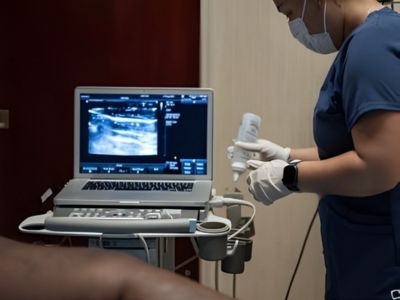
Even with the best diet and exercise habits, they can only help so much if an underlying vein condition is driving your circulation issues. In these cases, treating the damaged vein may be necessary to relieve pressure in the legs and prevent symptoms like swelling and fatigue from worsening over time.
At USA Vein Clinics, our vein specialists offer minimally invasive vein treatment options, such as endovenous laser treatment and sclerotherapy, that address the root cause of vein disease in ways diet alone cannot. These outpatient procedures typically have shorter recovery times and are often covered by insurance, including Medicare and Medicaid. If you are weighing your options, learn what to look for in a vein care provider, or read about the history of vein treatment to see how far outpatient care has come.
Next step
Find Out What Is Really Affecting Your Circulation
Diet can support healthy blood flow, but it cannot repair a damaged vein. If you are still noticing swelling, aching, or heaviness, the cause may be underlying vein disease.
USA Vein Clinics offers minimally invasive, outpatient vein evaluations and treatment options across the country. A vein specialist can review your symptoms and help you understand whether an underlying vein issue may be affecting your circulation.
FAQs About Food and Circulation
- National Center for Biotechnology Information (NCBI). “Chronic Venous Insufficiency: A Review.” National Institutes of Health.
- American College of Phlebology. “Patient Guide to Varicose Veins.” Accessed 2026.
- National Heart, Lung, and Blood Institute. “How Blood Flows Through the Heart and Body.” National Institutes of Health.
- Office of Dietary Supplements. “Omega-3 Fatty Acids: Fact Sheet for Health Professionals.” National Institutes of Health.
Medical disclaimer: This article provides educational information about vein disease and treatment options. It is not a diagnosis or medical advice. Only a qualified vein specialist can determine whether you have vein disease or recommend appropriate treatment. If you have leg swelling, pain, or other vascular symptoms, consult a healthcare provider or contact USA Vein Clinics for an evaluation.


