


If your legs ache, throb, or feel heavy after standing, varicose veins may be part of the reason. When vein valves weaken and stop working properly, blood can pool in the lower legs, making standing for even short periods uncomfortable.
Vein disease, also called chronic venous insufficiency (CVI), develops when the small valves inside your leg veins no longer push blood back toward the heart the way they should. Instead of flowing upward, blood can collect in the legs, ankles, and feet. Over time, this increased pressure can cause the veins to stretch, bulge, and become visibly enlarged.
Symptoms of vein disease often include leg pain, swelling, heaviness, cramping, throbbing, itching, and restless legs. Many people notice these symptoms get worse after standing or sitting for extended periods and feel better when they lie down or elevate their legs.
If standing has become consistently uncomfortable, a duplex ultrasound evaluation can help identify whether vein disease is contributing to your symptoms. USA Vein Clinics specialists diagnose and treat vein disease at outpatient locations nationwide, with most insurance accepted.
Schedule Your Consultation Online
Why It Can Be Painful to Stand If You Have Varicose Veins
Gravity works against you when you have varicose veins. When you stand upright, blood in the lower legs must travel against gravity to return to the heart. Healthy vein valves manage this efficiently. When those valves are weakened or damaged, blood can pool and create pressure inside the vein walls.
That pressure is what causes the aching, heaviness, and throbbing that many people with varicose veins notice when they are on their feet. The longer you stand, the more blood can accumulate, and the more discomfort you may feel. This is why symptoms tend to be worse at the end of a workday, after long shifts on your feet, or following events that require extended standing.
Movement helps because the calf muscles act as a pump, squeezing the veins and pushing blood upward. When you stand still, that pump is less active, and circulation can slow, making discomfort worse. This is why even a short walk after prolonged standing can noticeably reduce leg heaviness. It also explains why symptoms tend to build throughout the day and improve overnight when you are lying down and gravity is no longer a factor.
What Causes Leg Pain When Standing with Varicose Veins?
Several factors contribute to the leg pain that comes with varicose veins and vein disease:
- Venous pressure buildup: Pooling blood increases pressure inside the vein, which can cause an aching or throbbing sensation, especially in the calves and lower legs.
- Inflammation around the vein: Damaged veins can become inflamed, making the surrounding tissue tender and sore.
- Nerve compression: Swollen, enlarged veins can press on nearby nerves, leading to pain or a burning sensation.
- Leg swelling: As fluid builds up in the tissues, the legs can feel tight, heavy, and uncomfortable.
- Poor circulation: Reduced blood flow through diseased veins can leave the legs feeling fatigued and achy even after light activity.
Varicose veins and spider veins are not purely cosmetic concerns. When symptoms like leg pain, swelling, or heaviness accompany visible vein changes, it is worth speaking with a vein specialist about an evaluation.
Who Is Most at Risk for Varicose Vein Pain When Standing?
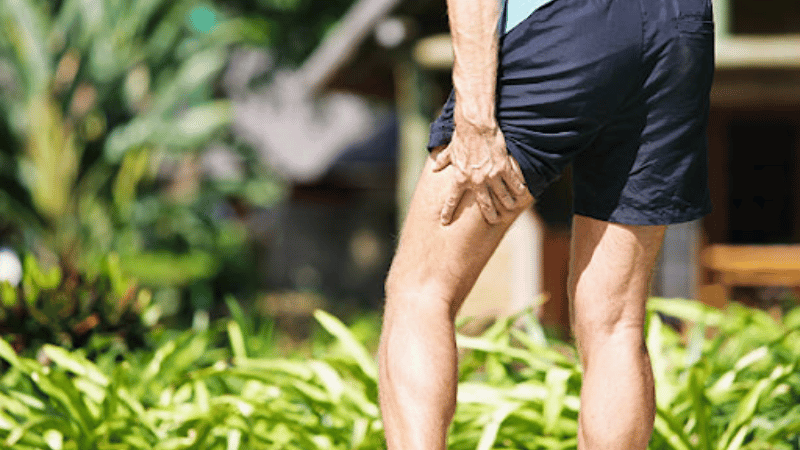
Standing for extended periods is one factor that can worsen vein symptoms, but it is rarely the only one. Other conditions and lifestyle factors can increase the risk of developing vein disease or accelerate its progression:
- Family history: A parent or sibling with varicose veins significantly raises your own risk.
- Age: Vein valves naturally weaken over time, making vein disease more common after age 50.
- Inactivity: Limited movement reduces the calf muscle pump and can slow circulation.
- Excess body weight: Additional weight places more pressure on the leg veins.
- Sex: Women are more likely to develop varicose veins, partly due to hormonal influences.
- Pregnancy: Increased blood volume and hormonal shifts can strain the leg veins.
- High blood pressure and diabetes: Both conditions can affect vascular function and contribute to vein damage.
- Diet: High sodium intake, excess sugar, and alcohol can all affect vein function and contribute to swelling.
- Smoking: Tobacco use can damage vein walls and reduce circulation over time.
How to Reduce Leg Pain from Standing When You Have Varicose Veins
The following steps may help manage discomfort temporarily. They are not a substitute for treating the underlying vein disease, but they can support symptom relief between appointments:
- Wear compression stockings: Graduated compression socks can support circulation and reduce swelling during the day.
- Elevate your legs: Raising your legs above heart level, even briefly, can help relieve pressure and encourage blood flow back toward the heart.
- Move regularly: Short walks or calf raises throughout the day help activate the calf muscle pump.
- Wear supportive footwear: Shoes with proper arch support reduce strain on the lower legs and feet.
- Maintain a healthy weight: Reducing excess weight may lessen pressure on the leg veins.
- Avoid prolonged standing in one position: Shifting your weight, stretching, and taking seated breaks can all help manage symptoms.
When to See a Vein Specialist

Occasional leg fatigue after a long day on your feet is common. But leg pain that shows up consistently, limits your daily activities, or comes alongside visible vein changes deserves medical attention. Consider scheduling a vein evaluation if you experience any of the following:
- Aching, throbbing, or heaviness in the legs that worsens after standing
- Swelling in the ankles or lower legs that appears by the end of the day
- Visible varicose veins or clusters of spider veins
- Skin discoloration, darkening, or texture changes around the lower leg or ankle
- Restless legs at night or leg cramping that disrupts sleep
- Itching or a burning feeling over a visible vein
These symptoms can indicate chronic venous insufficiency (CVI) or another form of vein disease. A duplex ultrasound evaluation at USA Vein Clinics can help determine whether vein disease is present and what treatment options may be appropriate for you.
Treatment Options for Varicose Vein Pain
If varicose veins are contributing to your leg pain, minimally invasive vein treatments may help reduce symptoms and address the underlying cause. USA Vein Clinics offers several non-surgical, outpatient options performed by experienced vein specialists:
- Radiofrequency ablation (RFA): Uses targeted heat energy to close off the diseased vein so blood reroutes through healthier vessels.
- VenaSeal™: A medical-grade adhesive is used to seal the affected vein closed without heat or multiple needle injections.
- ClariVein®: Combines mechanical and chemical action to treat the diseased vein from within.
- Ultrasound-guided sclerotherapy: A solution is injected into the vein under ultrasound guidance to help close it off.
Most treatment sessions are completed in under an hour, and many patients resume walking and light activity the same day. USA Vein Clinics accepts most insurance plans and can verify your coverage when you schedule. With over 160 nationwide clinic locations, expert vein care is accessible close to home.
Frequently Asked Questions
Why do my legs hurt when I stand for a long time?
Prolonged standing can worsen leg pain caused by varicose veins or vein disease. When vein valves are not working properly, blood can pool in the lower legs, increasing pressure and causing aching, heaviness, or throbbing. A vein evaluation can help identify whether an underlying vein condition is involved.
Can varicose veins cause leg pain without visible bulging?
Yes. Some people experience significant leg discomfort from vein disease before any visible varicose veins appear. Symptoms like heaviness, cramping, swelling, and fatigue can occur even when veins are not visibly enlarged. A duplex ultrasound is the most reliable way to evaluate venous function beneath the skin.
Is leg pain from varicose veins dangerous?
Most varicose vein pain is caused by increased venous pressure rather than an acute emergency. However, it can indicate underlying vein disease that may worsen over time if left untreated. Symptoms like sudden severe pain, skin ulcers, or a warm, red, hardened area over a vein should be evaluated promptly by a medical provider.
Will compression socks help with leg pain from standing?
Compression stockings may help temporarily manage swelling and discomfort by supporting circulation. However, they do not treat the underlying vein disease. If symptoms persist despite compression, a consultation with a vein specialist is recommended.
How do I know if I need vein treatment?
If leg pain, swelling, or heaviness after standing is a consistent pattern, or if you notice visible varicose veins, skin changes, or other symptoms, it is worth scheduling a vein evaluation. A vein specialist can review your symptoms, perform an ultrasound if needed, and discuss whether treatment may be appropriate for you.
Last Reviewed June 2026


