
Medically reviewed by
USA Vein Clinics Medical Review Team
Vascular Surgeons and Vein Specialists
Reviewed: November 2026
Legs feel heavy when blood pools in your lower legs instead of flowing back to your heart. A long day on your feet can be one of the causes. So can a vein problem that slowly gets worse over time. Here is how to tell the two apart, and what can help you feel lighter again.
What Does It Mean When Your Legs Feel Heavy?
Heavy legs feel weighed down and tired. They can be hard to lift. Many people say it feels like wearing ankle weights all day. The feeling often builds slowly. It is usually worst by evening, after long hours of standing, sitting, or walking.
An occasional heavy feeling is common and is usually nothing to worry about. However, close attention needs to be paid if it happens often, lasts into the next morning, or comes with swelling, aching, or visible veins. Tracking when it starts and what helps can give a vein specialist useful signs later on.
Some people describe their legs as heavy and weak at the same time. These are not quite the same thing. Heaviness is a feeling of effort, almost like dragging extra weight. Weakness, on the other hand, means your legs struggle to hold you up, such as when you stand up from a chair. Many people with vein disease notice both by the end of the day.
Common Causes of Heavy, Tired Legs
Everyday habits often cause heavy legs. Standing or sitting too long slows blood flow. So can hot weather, not drinking enough water, or a hard workout. These causes tend to fade with rest and a bit of movement.
Heavy legs can also point to a health issue. The most common cause is vein disease. It is also called chronic venous insufficiency, or CVI. Other causes include restless legs syndrome, poor artery flow, and low iron levels. Each cause feels a little different. That is why it helps to know what sets vein-related heaviness apart from the rest.
How to Tell the Difference Between Normal Fatigue and Chronic Leg Fatigue
Vein-related heaviness tends to build through the day. Feeling tired after a long day is normal, but this fatigue typically subsides with rest. In contrast, chronic leg fatigue caused by vein disease tends to:
- Persist over time, getting worse instead of better.
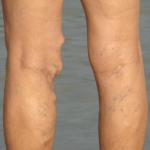
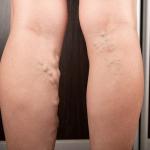
- Include other symptoms like swelling, itching, cramping, or visible varicose veins in the legs.
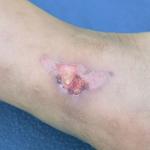
- Causes skin changes, such as discoloration or thickening.
How Vein Disease Makes Your Legs Feel Heavy
Your legs feel heavy mainly because of how your veins work. Veins in your legs use one-way valves to push blood up toward your heart. When those valves weaken, blood flows backward instead. It pools in your lower legs. This is called chronic venous insufficiency, a common and treatable form of vein disease.
As blood pools, pressure builds inside the vein walls. That pressure is what causes the heavy, dragging feeling. Over time, it can also lead to leg swelling, aching, and visible varicose veins.
When Heavy Legs Signal Vein Disease
Vein-related heaviness rarely shows up alone. Watch for these signs along with heaviness in the legs:
- Swelling/edema in the ankles or lower legs by evening
- Aching, throbbing, or cramping in the calves
- Visible varicose veins or smaller spider veins
- Itching or skin color changes on the lower leg
- Restless, uncomfortable legs at night
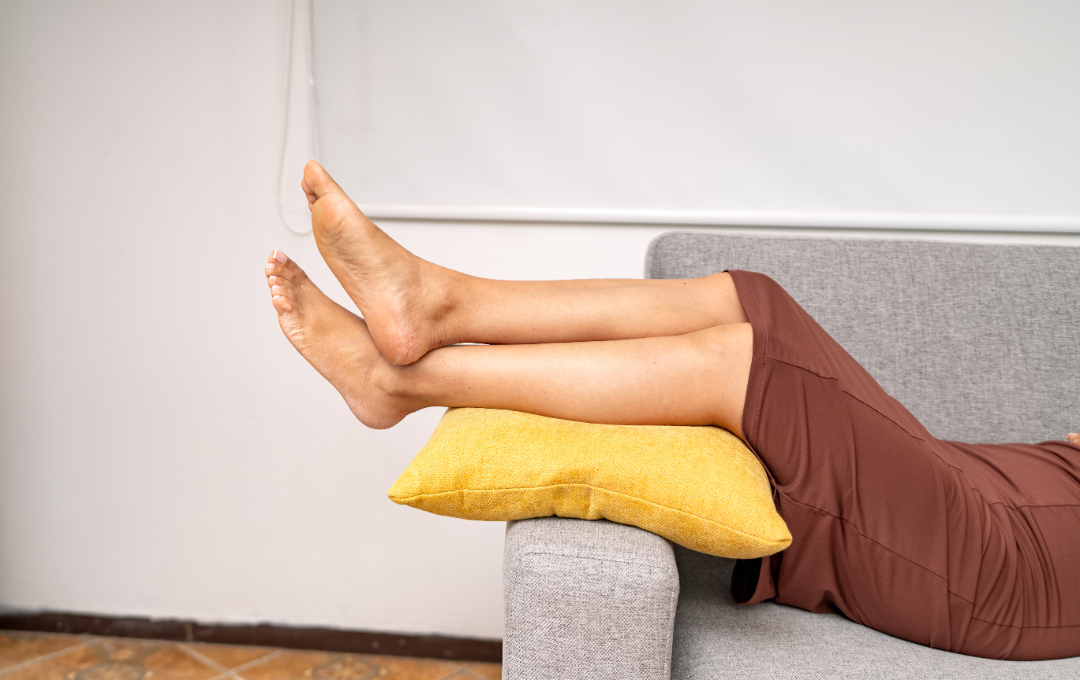
- Relief after you elevate your legs or walk around
Heavy legs can happen even without visible varicose veins. Many people have vein disease long before any veins show up on the skin, which is why heaviness alone can be a reason to consult a vein specialist.
How Vein-Related Heaviness Is Diagnosed and Managed
A vein specialist usually starts by asking about your symptoms. Next comes a painless duplex ultrasound. This scan uses sound waves to check your veins. It shows how well blood moves through them. It can reveal whether poor circulation or valve damage is behind your symptoms. The scan takes about 15 to 20 minutes and needs no needles.
Care is then based on what the scan shows. Many people start with simple steps. These include daily movement, leg elevation, and compression stockings. Some people need more direct care for an affected vein. In that case, a vein specialist may suggest a minimally invasive vein treatment. These are outpatient procedures. They close the affected vein so blood can reroute through healthier ones nearby. Most people return to normal activities the same day.
When to See a Vein Specialist
An occasional heavy feeling after a long day is usually fine. However, if heaviness and fatigue happen most days, keep getting worse, or come with swelling, visible veins, or skin changes in the legs, it is recommended to see a vein specialist sooner. Vein disease tends to get worse slowly, so early care usually means simpler, easier treatment.
Check Your Symptoms
Find Out What’s Behind Your Heavy Legs
A two-minute symptom quiz can help you see whether your heavy legs may be linked to vein disease.
USA Vein Clinics specialists use duplex ultrasound to see exactly what is happening in your veins, then walk you through options that may help you feel lighter on your feet.
FAQs About Heavy Legs and Vein Disease
- Cleveland Clinic. “Chronic Venous Insufficiency: Causes, Symptoms & Treatment.” Accessed 2026.
- MedlinePlus, U.S. National Library of Medicine. “Varicose Veins.” National Institutes of Health.
- Society for Vascular Surgery. “Patient Information: Chronic Venous Insufficiency.” Accessed 2026.
Medical disclaimer: This article provides educational information about vein disease and treatment options. It is not a diagnosis or medical advice. Only a qualified vein specialist can determine whether you have vein disease or recommend appropriate treatment. If you have leg swelling, pain, or other vascular symptoms, consult a healthcare provider or contact USA Vein Clinics for an evaluation.