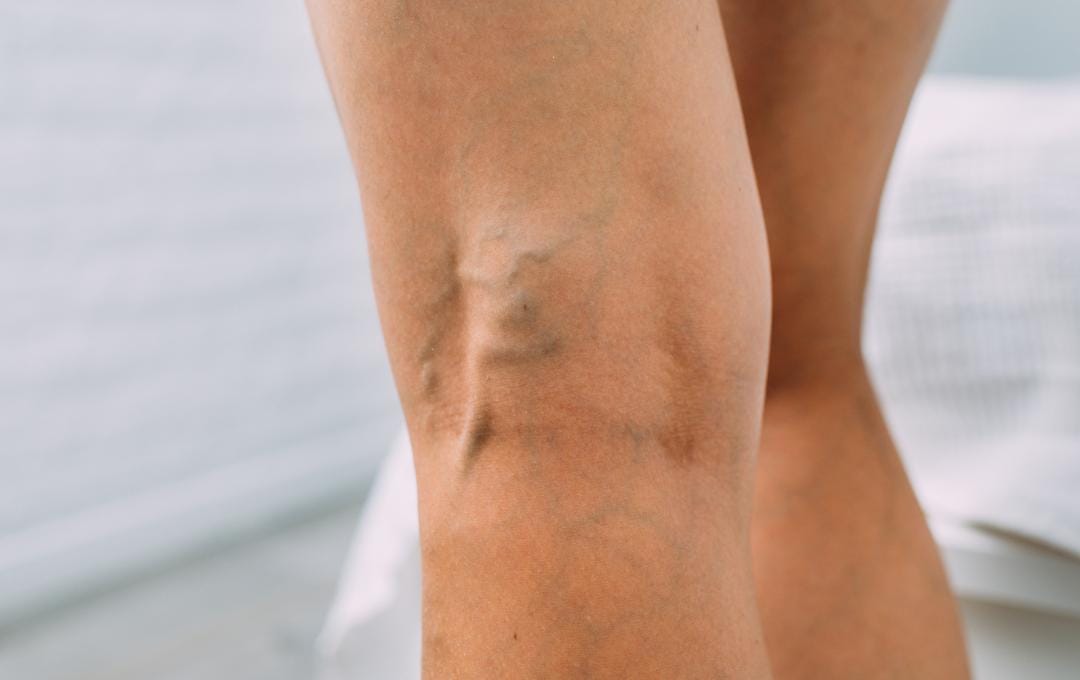
Many people with varicose veins are often concerned about the appearance of bulging, twisted veins underneath their skin. They may have heard that their visible veins are simply cosmetic. However, many still wonder:
“Do I need to see a doctor for varicose veins?”
Varicose veins often indicate a deeper underlying issue, in which veins become weak or damaged over time and cause blood to flow backward in the legs. This condition, known as chronic venous insufficiency (CVI), dilates and contorts the affected veins into their prominent shape due to the added pressure from blood pooling. Patients may also start to experience leg pain, swelling, fatigue, and other symptoms that impact day-to-day life.
Understanding when to seek an evaluation and treatment for varicose veins can empower patients to take action and prevent complications.
Are Varicose Veins Dangerous?
While varicose veins are not immediately dangerous, the underlying condition that causes them can be. Chronic venous insufficiency (CVI) is a progressive disease that directly impacts circulation. The longer CVI is left untreated, the worse the symptoms and circulation become, and the risk of complications increases.
In advanced cases of CVI, the skin starts to break down into open wounds that heal slowly or not at all. As blood continues to pool in the legs, the risk of blood cells clumping to form a clot increases significantly.
Patients with varicose veins are over five times as likely to develop a blood clot known as deep vein thrombosis (DVT). This clot forms inside larger veins hidden inside the body, more commonly in the legs. If the blood clot breaks from the vein and travels, it could block blood flow in the arteries of the lungs, turning into a life-threatening pulmonary embolism.
The sooner CVI is detected and treated, the lower the risk is of complications.
When is Varicose Vein Treatment Medically Necessary?
Varicose vein treatments become medically necessary when symptoms indicate impaired circulation, increasing discomfort, or changes in skin health. In these cases, vein treatment is no longer cosmetic — it is focused on preventing the progression of CVI and protecting long-term vein health.
Common Signs You May Need Vein Treatment
If you are experiencing any of the following persistent symptoms, it may be a sign of underlying venous insufficiency that requires a professional evaluation and treatment:
- Aching, cramping, or pain
- Swelling
- Fatigue or restlessness
- Itching, burning, or heavy sensations
A vein specialist uses advanced diagnostic imaging to accurately diagnose CVI and determine the most appropriate treatment plan.
Best Treatments for Varicose Veins
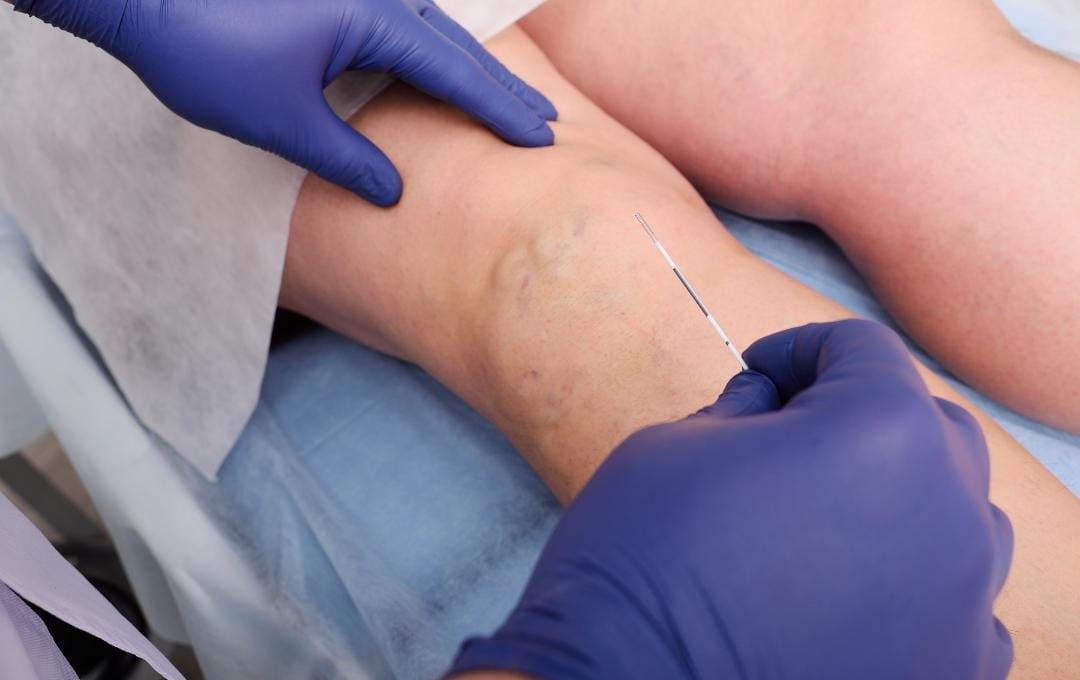
Because the severity of venous insufficiency varies, the best treatment for varicose veins is determined by a clinical evaluation of the vein’s diameter and the specific location of the valve failure. Modern vein treatments for varicose veins are minimally invasive and designed with patient comfort in mind, only requiring a small puncture the size of a pinhole. These procedures work by closing faulty veins and redirecting blood flow through healthier pathways. This rerouting allows for faster healing, alleviating leg pain, swelling, and fatigue in addition to visible veins.
Advanced Treatment Options for Varicose Veins
USA Vein Clinics offers various minimally invasive vein treatments tailored to the specific needs of our patients. All procedures are completed in office-based settings and require less time than surgery.
Thermal and Laser Ablation
- Endovenous Laser Therapy (EVLT): This procedure uses laser energy delivered through a thin catheter to close the affected vein. This treatment is commonly used for larger varicose veins.
- Radiofrequency Ablation (RFA): Similar to EVLT but uses radiofrequency energy instead of laser heat. The controlled energy closes the vein from the inside, reducing symptoms while minimizing discomfort during recovery.
Non-Thermal and Adhesive Treatments
- VenaSeal™: This advanced procedure uses a medical adhesive to seal the affected vein shut. While this treatment is for larger varicose veins, the procedure time is quick, allowing patients to resume normal activities shortly after.
- ClariVein®: A specialized catheter with a rotating tip delivers medication to the vein wall. This option is ideal for treating winding or complex veins.
Injectable and Guided Therapies
- Varithena Vein Treatment: A medical microfoam solution is injected into the diseased vein, causing it to collapse and redirect blood flow. This is an option for treating larger, more complex varicose veins with fewer injections.
- Ultrasound-Guided Sclerotherapy: This technique uses real-time ultrasound imaging to guide the injection of a sclerosant solution into deep-seated veins that are not visible on the surface but are causing physical symptoms like swelling or aching.
Why Early Treatment Matters
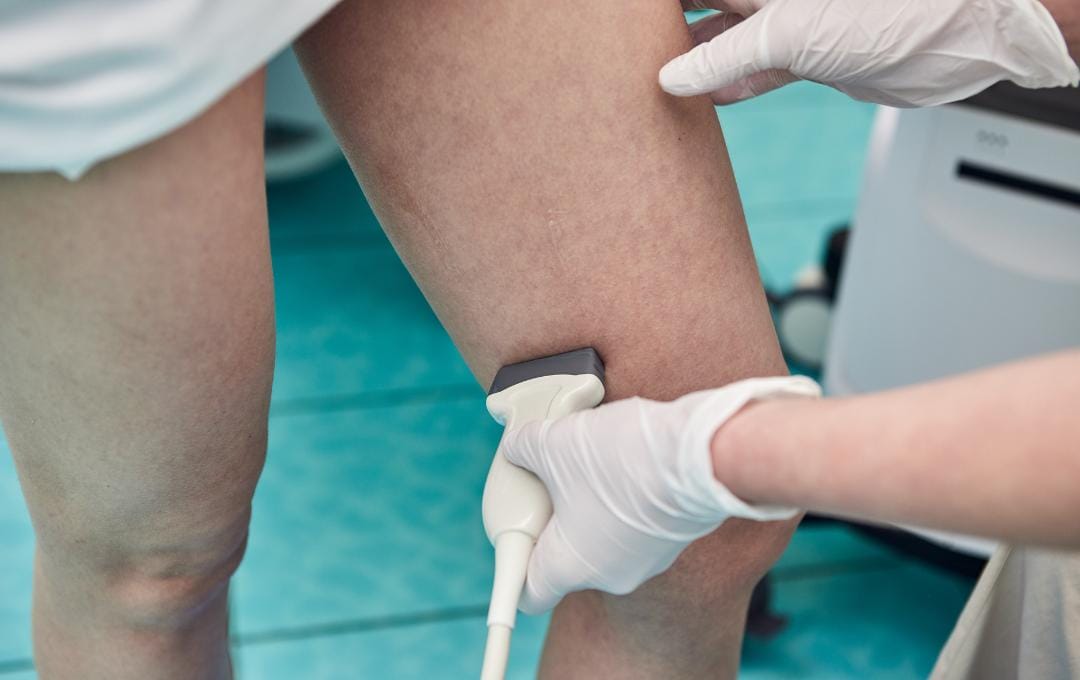
From a clinical standpoint, vein treatment is not based on how veins look, but on how they function. When chronic venous insufficiency (CVI) is suspected, a vein specialist evaluates blood flow using a duplex ultrasound to accurately identify vein dysfunction. This ensures timely treatment before advanced skin changes occur.
These skin changes include:
- Hemosiderin staining: Reddish-brown discoloration due to iron deposits from leaky varicose veins.
- Stasis dermatitis: Inflammatory skin condition causing itchy, dry patches similar to eczema.
- Lipodermatosclerosis: Hardened, thickened, leathery skin in the lower legs.
- Venous Ulcers: Non-healing sores in advanced cases.
Not everyone with varicose veins will develop these complications, but the risk is high in patients with chronic venous insufficiency. If your symptoms persist, it may be time to seek a professional evaluation.
Get Expert Vein Care at USA Vein Clinics
For many people with varicose veins, an evaluation can help clarify what is causing symptoms and whether treatment may be appropriate. At USA Vein Clinics, appointments focus on careful assessment, diagnostic imaging, and clear explanations, so patients understand their vein health and available options.
USA Vein Clinics’ outpatient treatment centers are accredited by the Intersocietal Accreditation Commission (IAC), an independent organization that sets national standards for vein care. IAC accreditation reflects a commitment to consistent protocols, diagnostic accuracy, and quality oversight — factors that support safe and effective treatment.
USA Vein Clinics accepts most major insurance plans, including Medicare and Medicaid. Insurance coverage can be reviewed during the scheduling process.
To get started, schedule an appointment online or by calling (888) 768-3467 to speak with a Care Team Member.
Frequently Asked Questions
Can varicose veins go away on their own?
Varicose veins do not go away on their own without treatment. Symptoms may fluctuate due to the weather or self-care measures like elevating your legs. However, the underlying valve dysfunction usually persists and worsens over time.
How much does varicose vein treatment cost?
The costs for varicose vein treatments are determined by the severity of the condition and the specific technology required for treatment. If a diagnostic ultrasound confirms venous reflux (blood flowing backward), treatment is typically classified as a medical necessity rather than a cosmetic procedure. In these cases, most major insurance plans, including Medicare and Medicaid, offer coverage for the procedure.
What is a red flag for varicose veins?
Red flags for varicose veins include swelling, skin discoloration near the ankles, tired or “heavy” legs, and pain that interferes with daily activities. These symptoms indicate vein disease and should be evaluated by a medical professional to prevent complications, such as non-healing wounds and blood clots.
What happens if you don’t treat varicose veins?
Without treatment, vein disease will progress, leading to worsening symptoms, skin damage, and reduced quality of life. Early assessment helps prevent avoidable complications and supports long-term vein health.