When considering the best treatment for varicose veins, it’s important to recognize that no two cases are the same. Because symptoms and severity can vary widely, the most effective approach to finding the best treatment for varicose veins will involve a specialized evaluation, diagnosis, and a personalized plan to relieve painful symptoms.
The top varicose vein treatments are performed in outpatient settings by physicians who specialize in minimally invasive techniques designed to close diseased veins and restore healthy blood flow. Knowing the available treatment options and how they differ can lead to a more informed decision about the best treatment for your condition.
The heightened risk of complications further underscores the need for early intervention and optimal treatment for varicose veins.
Don’t Ignore the Signs—Find Out Why
Is There a Best Varicose Vein Treatment?
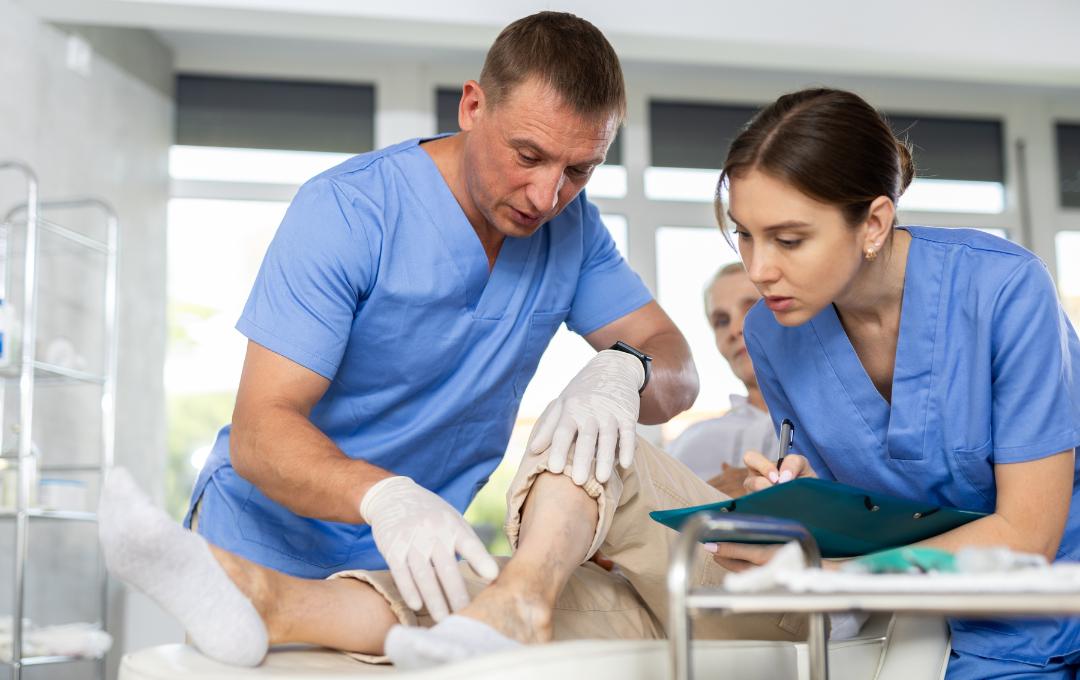
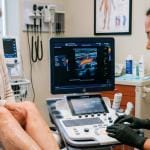
The best varicose vein treatment in the legs will depend on the size, location, and severity of the individual’s varicose veins, as well as overall health. During the evaluation, advanced imaging tools, such as vascular ultrasound, are used to map veins in real time and precisely identify areas of vein damage.
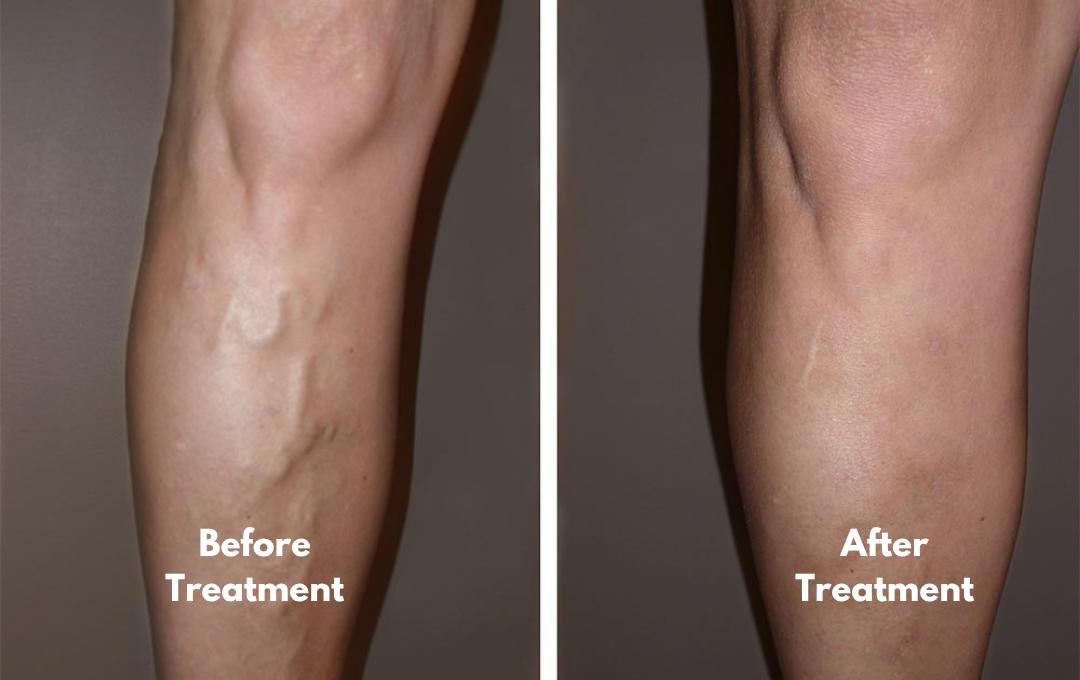
In most cases, a vein specialist will recommend a minimally invasive procedure to reduce the vein’s appearance and its accompanying symptoms. Many patients consider these procedures to be the best treatments for varicose veins due to the following:
- Less leg pain and swelling
- Improved mobility
- More energy
- Legs feel lighter
- Faster healing from sores, including venous ulcers
- Lower risk of complications
Best Treatment for Varicose Veins Without Surgery
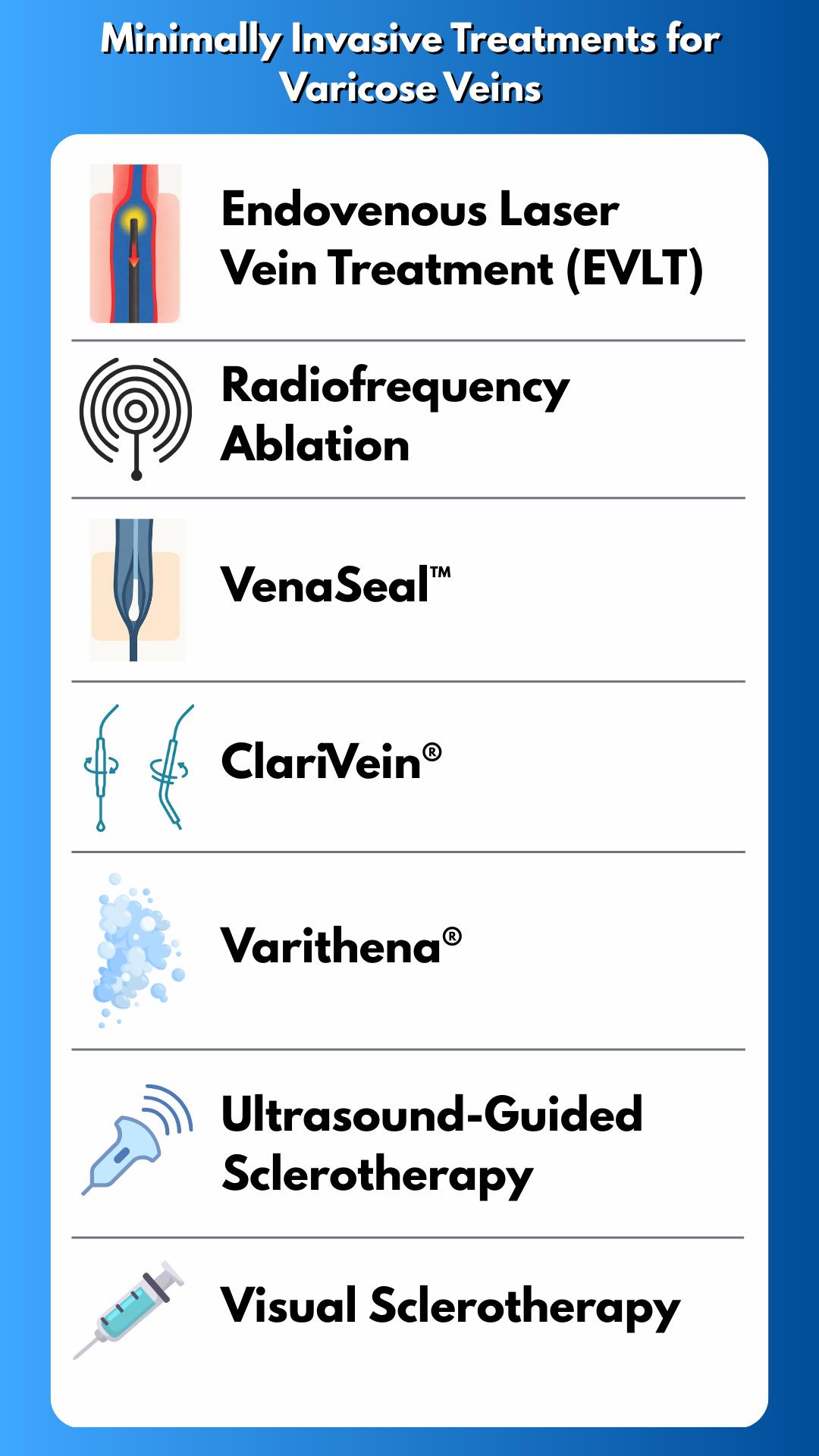
The most popular treatments for varicose veins offered at USA Vein Clinics are minimally invasive, which means there is no surgery. This translates to no incisions, extended hospital stay, or lengthy recovery. These treatments include:
Endovenous Laser Vein Treatment (EVLT)
EVLT uses a laser delivered through a catheter to heat and collapse the diseased vein. This treatment is ideal for large, straight veins and is considered a gold-standard option for varicose vein care. Most patients resume normal activities within 24 hours and may notice symptom improvement within one to two weeks. Clinical studies have reported a one-year success rate of90 to 95 percent.
Radiofrequency Ablation (RFA)
RFA is similar to EVLT but uses radiofrequency energy to heat and close large varicose veins, thereby redirecting blood flow to healthier vessels. Patients typically return to daily activities shortly after the procedure. Clinical literature shows that 88 to 98 percent of patients continue experiencing symptom relief one year after treatment.
VenaSeal™
In VenaSeal™, a catheter accesses the vein and releases a medical adhesive that seals it shut. This treatment is ideal for medium to large varicose veins and offers a quick, convenient option that requires minimal downtime. Multiple studies report a 92 to 98 percent success rate after one year.
ClariVein®
ClariVein® uses a catheter with a rotating tip to deliver medication along the inside of the vein. This treatment is well-suited for medium to large, winding veins and is known for high early patient satisfaction due to its comfort and rapid recovery. Most patients return to their regular activities within 24 hours.
Varithena® Vein Treatment
Varithena® uses a specialized medical foam to close medium to large, twisted varicose veins. Because it requires fewer injections than sclerotherapy, it is often preferred by patients who are anxious about needles. Research shows that 70 to 90 percent of patients experience symptom relief after one year.
Ultrasound-Guided Sclerotherapy (UGSC)
UGSC involves injecting a sclerosant solution into large or deeper varicose veins using ultrasound guidance. This technique is especially effective for veins that are not visible on the skin’s surface but still cause discomfort. Long-term studies have reported a clinical success rate of approximately 85 percent.
Visual Sclerotherapy
This procedure uses the same sclerosant solution as UGSC but is performed on spider veins and small varicose veins near the skin’s surface. Patients can typically resume normal activities right away and often notice cosmetic improvement within a few weeks.
See a Specialist to Discuss Options
Best Doctors for Varicose Veins
At USA Vein Clinics, you gain access to a network of top vein specialists across America. Our doctors are highly experienced in the latest minimally invasive treatments for varicose veins. Their expertise is backed by board certifications and active memberships in leading professional organizations, including the Society for Vascular Medicine and the American College of Surgeons. This commitment to professional excellence guarantees you receive care from respected authorities in vein health.
If you are researching providers in the Chicago area, explore our guide to the best vein clinic locations in Chicago to compare experienced vein specialists and find a convenient USA Vein Clinics location.
How to Find the Best Treatment for Varicose Veins at USA Vein Clinics
While patients can seek varicose vein treatment at various sites—from dermatologists and hospital systems to medical spas—specialized outpatient centers like USA Vein Clinics have earned recognition for their teams of renowned doctors, who offer focused expertise, rapid recovery, and patient-first care that general providers cannot match. Many patients consider vein specialists as the best doctors for varicose vein treatment.
Not sure what to look for when choosing a provider? Learn what makes a vein clinic the best and the qualities that can help you make an informed decision about your vein care.
USA Vein Clinics has expanded access to care since its founding in 2005. Today, with over 168 locations nationwide, our team of experienced vein specialists continues to provide consistent, evidence-based care to thousands of patients living with varicose veins. Each clinic is recognized by the Intersocietal Accreditation Commission for Vascular Testing (IAC), meeting the highest standards for patient safety and care. This ensures patients receive precise diagnoses and effective varicose vein treatment planning.
If you’re seeking treatment in New York, explore our guide to the best vein clinic locations in New York to find a USA Vein Clinics office that is convenient for you. Patients in Georgia can also explore our guide to the best vein clinics in Atlanta to find an experienced vein specialist and a convenient treatment location.
USA Vein Clinics is trusted by thousands of patients seeking relief from varicose veins. We accept most insurance plans, including Medicare and Medicaid. Insurance verification is offered when you schedule an appointment online or call 888.768.3467.
Talk with a vein specialist today to find the best treatment for your varicose veins.
FAQs About Varicose Vein Treatment
Can varicose veins be cured?
There is no cure for varicose veins, but they can be treated. Minimally invasive procedures can resolve damaged veins and relieve other symptoms, such as leg pain, swelling, and fatigue.
What is the best natural treatment for varicose veins?
There is insufficient evidence that natural treatments work on varicose veins. Symptoms can be temporarily alleviated by elevating your legs, wearing compression socks, eating foods rich in vitamins and nutrients, and doing low-impact exercises like walking.
What is the best treatment for large varicose veins?
There are various treatments for large varicose veins, including Endovenous Laser Vein Treatment (EVLT), radiofrequency ablation (RFA), and ultrasound-guided sclerotherapy. A vein specialist can recommend the best treatment depending on each patient’s health and the condition of their veins.