
Vein disease is a progressive medical condition, not just a cosmetic concern. When left untreated, damaged valves lead to chronic venous insufficiency (CVI), which can cause debilitating symptoms and life-threatening complications like Deep Vein Thrombosis (DVT) and non-healing venous ulcers.
Many people dismiss heavy, aching legs or visible bulging veins as a natural part of aging. However, these are often the first signs of Chronic Venous Insufficiency (CVI), a condition where the one-way valves in your leg veins fail. Because your leg veins must work against gravity to pump blood back to your heart, these weakened valves allow blood to pool in the lower extremities, increasing pressure and damaging the surrounding tissue.
Is Vein Disease Just a Cosmetic Problem?
While many patients first notice the appearance of spider veins or varicose veins, the underlying issue is medical. Varicose veins are a clear indicator that the vascular system is struggling to circulate blood effectively. Your calf muscles act as your “second heart,” helping to push blood upward with every step, but they cannot overcome the pressure caused by diseased valves without medical intervention.
What Happens If Vein Disease Is Left Untreated?
Vein disease is progressive, meaning it generally worsens over time without professional care. As the pressure in your veins (venous hypertension) continues to rise, you may move through the stages of CVI, leading to severe complications:
1. Deep Vein Thrombosis (DVT) and Pulmonary Embolism
The most dangerous risk of untreated vein disease is the formation of blood clots in the deep veins, known as Deep Vein Thrombosis (DVT). These clots are often “silent” but can break loose and travel to the lungs, causing a life-threatening Pulmonary Embolism (PE).
2. Venous Stasis Ulcers
Chronic pooling of blood can eventually lead to skin breakdown, resulting in open sores called venous ulcers. These wounds usually occur near the ankles and are notoriously difficult to heal, often becoming sites for serious infections like cellulitis.
3. Irreversible Skin Changes
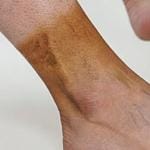
Persistent inflammation from pooled blood can cause permanent changes to your skin’s texture and color. This includes hemosiderin staining (brownish-red patches) and lipodermatosclerosis, where the skin becomes thick, leathery, and prone to cracking.
At the core of the query “Why Does Vein Disease Need Treatment?” is a fundamental medical reality: vein disease is a progressive vascular disorder. The biological mechanism involves the failure of the one-way valves in the leg veins, which are designed to facilitate the return of deoxygenated blood to the heart against the force of gravity. When these valves become incompetent, blood pools in the lower extremities, a condition known as venous reflux. This pooling increases hydrostatic pressure within the veins, leading to venous hypertension.
When Does Vein Disease Need Treatment?
Once the valves in the veins become dysfunctional they will require proper treatment for relief. Some of the symptoms of vein disease are painful varicose and spider veins, leg pain or cramps, leg heaviness or swelling, restless legs syndrome, skin discoloration on the legs or non-healing wounds.
If you’re unsure whether your symptoms warrant medical care, understanding how to know if your varicose veins need treatment can help you recognize when it’s time to schedule a vein evaluation.
Minimally Invasive Treatment Options at USA Vein Clinics
The good news is that you no longer need painful surgery to treat vein disease. At USA Vein Clinics, we specialize in FDA-approved, outpatient procedures that require no general anesthesia and minimal downtime :
-
Endovenous Laser Treatment (EVLT): Uses laser energy to close diseased veins and reroute blood flow to healthy ones.
-
VenaSeal™: A medical adhesive that seals the malfunctioning vein instantly.
-
Radiofrequency Ablation (RFA): Utilizes thermal energy to gently close problematic veins.
-
Varithena®: A specialized microfoam used to treat larger, twisted veins.
Take Control of Your Vein Health Today
Don’t wait for your symptoms to become a medical emergency. Most vein treatments are covered by Medicare, most major insurance plans, and select Medicaid plans.
With over 168 locations nationwide, the experts at USA Vein Clinics are here to help you return to a life free from leg pain and swelling.
Ready to start your journey to healthier legs?
-
Find a specialist: Locate a clinic near you.
-
Schedule Online: Book an appointment
Vein treatments at USA Vein Clinics are covered Medicare, most insurance plans and Medicaid.