

Asking the right questions to a vein doctor vein treatment helps you understand your diagnosis. It also helps you evaluate your options and walk into your procedure with confidence instead of uncertainty. Preparing for medical treatment can feel overwhelming, especially when symptoms have been lingering for months or even years. When it comes to vein health, many patients are unsure whether their leg pain, swelling, or visible veins are serious enough to require treatment, or what questions they should ask before moving forward.
The truth is, we feel asking the right questions before vein treatment is one of the most important steps you can take.
Below are the most important questions to ask a vein doctor before treatment, along with guidance on why each question matters and what to listen for during your consultation.
1. What Is the Underlying Cause of My Vein Symptoms?
Many patients come into a vein consultation after years of being told their symptoms are “just cosmetic,” part of aging, or something they simply have to live with. That assumption is one of the biggest reasons vein disease goes untreated for so long.
In reality, symptoms like aching legs, swelling, heaviness, cramping, or skin changes are often caused by chronic venous insufficiency (CVI). This condition develops when the one-way valves inside the leg veins weaken or fail. Instead of moving blood efficiently back toward the heart, blood flows backward and pools in the legs, a process known as venous reflux. Over time, that pressure is what leads to pain and progressive symptoms.
When you ask this question, your vein doctor should be able to clearly explain:
- Whether valve failure is present
- Which specific veins are not functioning properly
- How that circulation problem is causing your particular symptoms
If the explanation focuses only on how your veins look, or feels vague and rushed, it’s reasonable to ask for more detail. A proper diagnosis should help you understand why you’re experiencing symptoms, not leave you guessing. A clear explanation is the foundation of effective, personalized treatment.
2. How Will You Diagnose My Vein Condition?
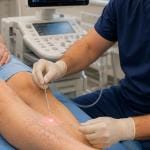
It’s easy to assume that vein problems can be diagnosed just by looking at your legs. In reality, what’s visible on the surface often tells only part of the story. Two patients with similar-looking veins may have very different underlying issues and very different treatment needs. Our doctors focus on a duplex venous ultrasound, which is a non-invasive, painless diagnostic test that combines standard ultrasound imaging and Doppler technology to map vein structure and evaluate blood flow. If varicose veins are a concern, see how varicose veins are diagnosed and what to expect during the evaluation.
That’s why an accurate vein diagnosis should never be based on appearance alone. The gold standard for evaluating vein disease is a duplex ultrasound, a non-invasive imaging test that allows the doctor to see how blood is actually flowing through your veins.
During this evaluation, your vein specialist should be able to explain:
- How blood is moving through your leg veins in real time
- Whether any valves are allowing blood to flow backward
- Which specific veins are contributing to your symptoms
Ultrasound findings also play an important role in determining whether treatment is medically necessary and eligible for insurance coverage.
If an ultrasound isn’t discussed as part of your evaluation, it’s reasonable to ask why. A clear diagnosis should be based on objective evidence, not just what can be seen on the surface.
It also matters who is answering these questions. Look for a specialist who can explain your ultrasound findings clearly, not just a treatment brochure. A rushed or vague answer to a direct question is worth noticing, since it often signals a rushed treatment plan to follow.
3. What Are the Benefits of Treating My Veins?
Many people hesitate before vein treatment because they’re unsure what they’ll actually gain from it. If your symptoms have become part of your daily routine, it can be hard to imagine life without them or to know whether treatment is truly worth it.
A good vein specialist should help you understand how treatment can affect your day-to-day life, not just how your legs will look afterward. For many patients, the most meaningful benefits are functional: less pain, less fatigue, and fewer limitations on normal activities.
During this conversation, your doctor should be able to explain how treatment may:
- Reduce ongoing leg pain, heaviness, swelling, or cramping
- Make walking, standing, or exercising more comfortable again
- Improve sleep if symptoms tend to worsen at night
- Help prevent symptoms from gradually becoming more severe over time
The goal of treatment isn’t simply cosmetic improvement, it’s restoring comfort, mobility, and quality of life. A clear explanation of these benefits can help you decide whether treatment aligns with your health priorities and long-term well-being.
4. What Treatment Options Are Available for My Condition?
One of the most important things to understand about vein care is that there is no single treatment that works for everyone. Vein problems vary widely depending on the size of the vein, where it’s located, and how severely blood flow is affected. That’s why treatment should always be tailored to the individual, not selected from a standard menu.
During your consultation, your vein doctor should walk you through the options that are appropriate for your condition and explain why certain treatments make more sense than others. This conversation should feel specific and personalized, not generic.
A well-rounded discussion typically includes:
- Which treatment options match the size and location of your affected veins
- Why one approach is being recommended over alternatives
- Whether more than one treatment or a combination of treatments may be needed for the best result
You may hear about minimally invasive options such as thermal ablation, adhesive closure systems, sclerotherapy, or ultrasound-guided procedures. We encourage our patients to ask about the benefits of each treatment and stress the importance that your doctor should clearly explain why a particular option is the best fit for your veins and your symptoms.
Your full range of vein treatment options should be reviewed in the context of your specific case. It should not be selected from a standard menu.
5. Why Are You Recommending This Specific Treatment for Me?
It’s one thing to be told what treatment is recommended, it’s another to understand why that option makes sense for you. This question is essential because it reveals whether the recommendation is based on your individual vein anatomy and symptoms, or whether it’s simply a routine approach.
A thoughtful vein specialist should be able to explain the reasoning behind their recommendation in clear, practical terms. The explanation should connect the treatment directly to what’s happening inside your veins and how it’s expected to improve your symptoms.
During this discussion, your doctor should be able to walk you through:
- How the proposed treatment corrects the specific valve failure causing your symptoms
- What kind of symptom improvement you can realistically expect
- What other treatment options were considered, and why they may not be the best choice in your case
If the explanation feels rushed, overly technical, or sounds the same for every patient, it’s reasonable to ask for more clarity. A personalized treatment plan should feel tailored to your condition, not generic. Confidence comes from understanding not just the recommendation itself, but the logic behind it.
6. How Should I Prepare for Vein Treatment?
Knowing how to prepare ahead of time can take a lot of stress out of the treatment process. For most patients, vein procedures require only minimal preparation, but clear instructions help ensure everything goes smoothly and reduce the chance of delays or unnecessary discomfort.
Your vein specialist or care team should explain exactly what you need to do in the days and hours leading up to treatment. This guidance is also a good indicator of how organized and patient-focused the clinic is.
Preparation instructions typically include:
- Reviewing your current medications, especially blood thinners or supplements that may affect bleeding
- Avoiding shaving your legs or applying lotions, oils, or moisturizers to the treatment area on the day of the procedure
- Eating a light meal and staying well hydrated before your appointment
If instructions feel unclear or rushed, don’t hesitate to ask for clarification. Feeling prepared and informed before treatment is an important part of a smooth recovery and a positive overall experience.
See If We Have a Vein Doctor In Your Area to Ask Questions
7. Is Vein Treatment Painful?
It’s completely normal to worry about pain when considering any medical procedure. In fact, concern about discomfort is one of the most common reasons people postpone vein treatment even when symptoms are affecting daily life.
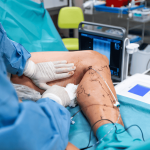
Most modern vein treatments are designed to be as comfortable as possible. They are minimally invasive and typically performed using local anesthesia, which numbs only the area being treated. Patients remain awake and alert throughout the procedure.
Your vein doctor should explain what you’re likely to feel in straightforward terms. Most patients describe the experience as mild pressure or a brief stinging sensation rather than true pain. Any discomfort is usually short-lived and well managed during the procedure.
If pain expectations aren’t discussed clearly, it’s worth asking for more detail. Knowing what to expect ahead of time can ease anxiety and help you approach treatment with confidence.
8. What Can I Expect During Recovery?
Understanding what recovery looks like can make the decision to move forward with treatment much easier. Many patients worry about downtime or how treatment might disrupt their daily routine, so it’s important to have a clear picture of what happens after the procedure.
For most people, recovery from modern vein treatments is relatively straightforward. Your vein specialist should explain that you’ll be encouraged to walk immediately after treatment and that normal activities can usually be resumed the same day.
You may experience some mild bruising, tenderness, or tightness in the treated area, which is common and typically resolves within a short period of time. Compression stockings are often recommended for a brief duration to support circulation and help the veins heal properly.
A good recovery explanation should leave you feeling prepared, not surprised. If expectations aren’t clearly outlined, it’s always appropriate to ask how long recovery typically takes and what signs are considered normal during healing.
9. Will My Vein Treatment Be Covered by Insurance?
Many people delay seeing a vein specialist because they assume treatment is considered cosmetic and will need to be paid for out of pocket. In reality, that’s often not the case, especially when vein problems are causing pain, swelling, or other medical symptoms.
When you ask this question, your vein doctor or care team should explain how insurance coverage works in plain terms. Coverage is typically based on whether treatment is considered medically necessary, not on appearance alone.
Most insurance plans including Medicare and Medicaid look at factors such as:
- The symptoms you’re experiencing and how they affect daily life
- Findings from a diagnostic ultrasound showing valve failure or impaired blood flow
- Whether conservative measures, like compression stockings, have already been tried
A well-run vein clinic should help you navigate this process by verifying your benefits, explaining any requirements, and handling prior authorization on your behalf. You shouldn’t feel like you’re figuring out insurance details on your own.
10. How Experienced Are You With This Type of Treatment?
When it comes to minimally invasive procedures, experience plays a meaningful role in both safety and outcomes. This question isn’t about challenging your doctor, it’s about understanding who will be caring for you and feeling comfortable with their level of expertise.
A vein specialist should be open and transparent when discussing their experience. You have every right to understand how familiar they are with the specific treatment being recommended for your condition.
During this conversation, it’s reasonable to ask:
- How often the doctor performs the particular procedure being recommended
- Whether the clinic is accredited for vascular testing or vein care
- Who else may be involved in your treatment and follow-up care
Hearing clear, confident answers can provide reassurance that your provider routinely treats cases like yours and is equipped to manage your care effectively. Feeling informed about your doctor’s experience helps you move forward with greater confidence and peace of mind.
11. How Can I Reduce My Risk of Future Vein Problems?
While treatment can address damaged veins and relieve current symptoms, it’s natural to wonder what comes next. Many patients want to know whether vein problems can return and what they can do to protect their long-term vein health.
This question helps shift the conversation from short-term relief to ongoing care. A good vein specialist should explain that while treatment corrects existing issues, healthy habits and monitoring can play an important role in preventing new problems from developing.
Your doctor may talk with you about practical steps such as staying active, managing weight, and avoiding long periods of sitting or standing when possible. In some cases, wearing compression garments during travel or long workdays may be helpful. If you have a family history of vein disease, periodic follow-up or monitoring may also be recommended.
Preventive guidance should feel realistic and tailored to your lifestyle, not overwhelming or generic. The goal is to help you maintain results and feel confident about your vein health moving forward, not to burden you with unnecessary restrictions.
Why Many Patients Choose USA Vein Clinics
USA Vein Clinics is one of the country’s leading providers of vein treatment. We offer highly skilled, experienced, compassionate vein specialists who will be with you throughout the procedure as well as recovery.
Our team of experts provide a range of state-of-the-art vein treatment options at over 100 convenient locations nationwide. All of our clinics are accredited by the IAC and provide a high standard of patient care.
Patients often seek care at USA Vein Clinics because treatment is:
- Guided by diagnostic ultrasound
- Minimally invasive and office-based
- Performed by experienced vein specialists
- Focused on lasting symptom relief
With locations nationwide, care is accessible, and most evaluations are covered by insurance with no referral required. For more information and details on how our happy clients are living a life without pain and suffering after their vein treatments, subscribe to our newsletter.
Prepare Your Questions for Vein Doctors
Being prepared with the right questions puts you in control of your vein health. At USA Vein Clinics, our vein specialists perform minimally invasive, office-based treatments for varicose veins, spider veins, and other venous issues at over 160 locations. If you are ready to start your journey towards better vein health, connect with us.