Medically reviewed by
USA Vein Clinics Medical Review Team
Experienced physicians specializing in venous disease
Many people wonder if losing weight can eliminate varicose veins. The short answer is no. While weight loss alone won’t make existing varicose veins disappear, it may help reduce symptoms and support better circulation.
The truth is nuanced. Weight loss can significantly reduce varicose vein symptoms like swelling, aching, and leg heaviness. It can also slow the progression of vein disease and improve your candidacy for treatment. However, once varicose veins develop, the underlying damage to your vein valves is permanent and requires targeted treatment. Understanding this distinction is crucial for managing expectations and making informed decisions about your vein health.
Does Being Overweight Cause Varicose Veins?
Many people assume that being overweight causes varicose veins. While excess weight is a risk factor, it’s not the primary cause. The reality is more complex, and understanding it can help you take better control of your vein health.
Genetics is a dominant factor in developing varicose veins.¹ If your parents or close relatives had varicose veins, your risk increases significantly. Family history accounts for 60 to 80 percent of varicose vein cases¹, meaning some people develop them regardless of their weight or lifestyle.
Other risk factors independent of weight include age, sex (women are more likely to develop varicose veins), prolonged sitting or standing, pregnancy, and previous blood clots². Someone at a healthy weight with a strong family history of vein disease may develop varicose veins. Conversely, an overweight person without genetic predisposition might never develop them.
Where does weight fit in? Excess weight can accelerate vein disease if you’re genetically predisposed to it. If you have a family history of varicose veins, maintaining a healthy weight becomes even more important, but that alone won’t prevent the condition.
The Effect of Weight Loss on Varicose Veins
To understand why weight loss helps but doesn’t cure varicose veins, it helps to know how veins work and what goes wrong.
Healthy veins have one-way valves that push blood upward toward your heart against gravity. When you carry excess weight, your leg veins must work harder. Each additional pound adds pressure to the veins in your lower body, forcing these valves to strain continuously.
Over time, this sustained pressure weakens the valves. They begin to fail, allowing blood to pool instead of flowing back to the heart. This pooling contributes to the development of varicose veins, and it’s a condition called chronic venous insufficiency, or CVI. As blood pools, it causes the visible bulging, aching, swelling, and heaviness you feel.
Here’s the critical part: once those valves are damaged, they cannot repair themselves. Weight loss can reduce strain on weakened valves and improve your overall circulation, which slows disease progression and reduces symptoms. But it cannot reverse valve damage that has already occurred.
Weight Loss Won’t Eliminate Existing Varicose Veins
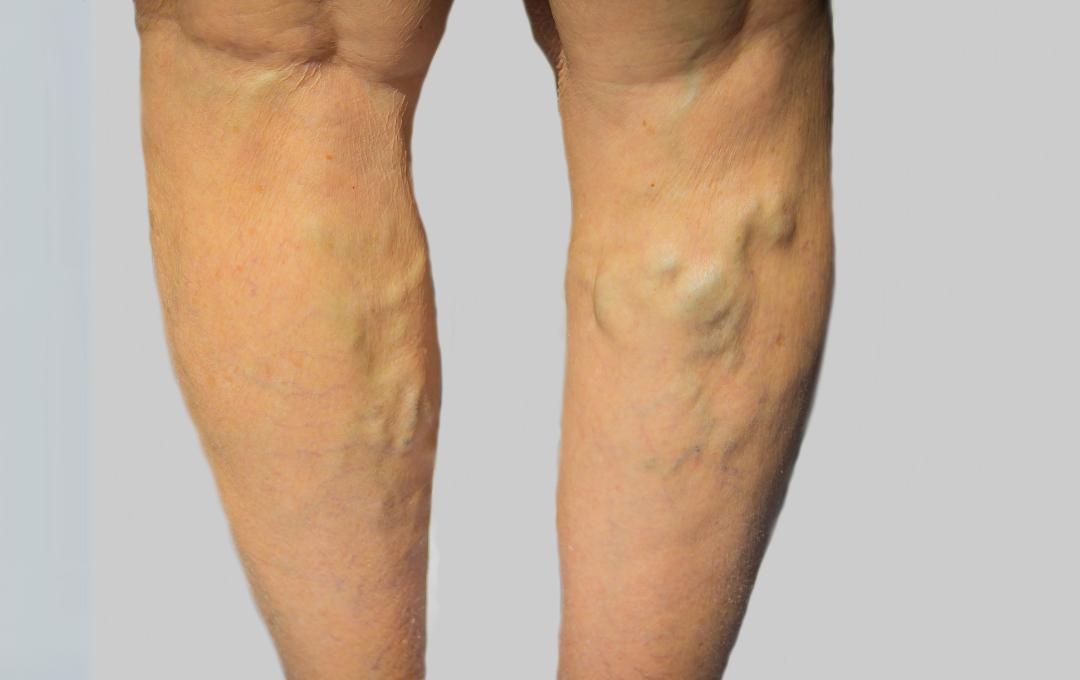
This is the message many patients need to hear, even if it’s not what they hoped for: varicose veins don’t go away with weight loss alone.
Research on chronic venous insufficiency shows that while patients report 30 to 50 percent improvement in symptoms with significant weight loss³, the veins themselves remain. For many patients who lose weight, their varicose veins remain visible and may still cause discomfort. The bulging, twisted vessels are still there. The damaged valves haven’t been repaired.
This isn’t a failure on the patient’s part. It reflects a medical reality: when vein valves are damaged by chronic venous insufficiency, they are permanently damaged. They require treatment to be removed or sealed, not lifestyle changes alone.
Conservative approaches like compression stockings, leg elevation, and exercise can manage symptoms and slow progression, but they don’t eliminate the underlying problem. This is why vein specialists often recommend treatment for lasting relief.
Weight Loss Can Relieve Varicose Vein Symptoms
Even though weight loss won’t eliminate varicose veins, it can provide meaningful relief while you’re deciding on or preparing for treatment.
Reducing excess weight can help decrease pressure on the veins in your legs, which may improve certain varicose vein symptoms.
Symptoms that typically improve with weight loss:
- Leg swelling and puffiness (especially in the ankles and feet)
- Aching and throbbing sensations
- Heavy, tired feeling in your legs
- Cramping and discomfort
- Restlessness in your legs
Combining weight loss with other conservative measures amplifies relief. Wearing compression stockings, elevating your legs in the evening, staying hydrated, and exercising regularly all support vein health and reduce symptoms.
However, maximum relief from lifestyle changes typically plateaus. If symptoms persist, skin changes develop, or you want substantial results, treatment becomes the next step.
Ready to understand your symptoms better? Take our quick vein symptom quiz to assess your vein health.
Varicose Veins May Look More Visible After Weight Loss
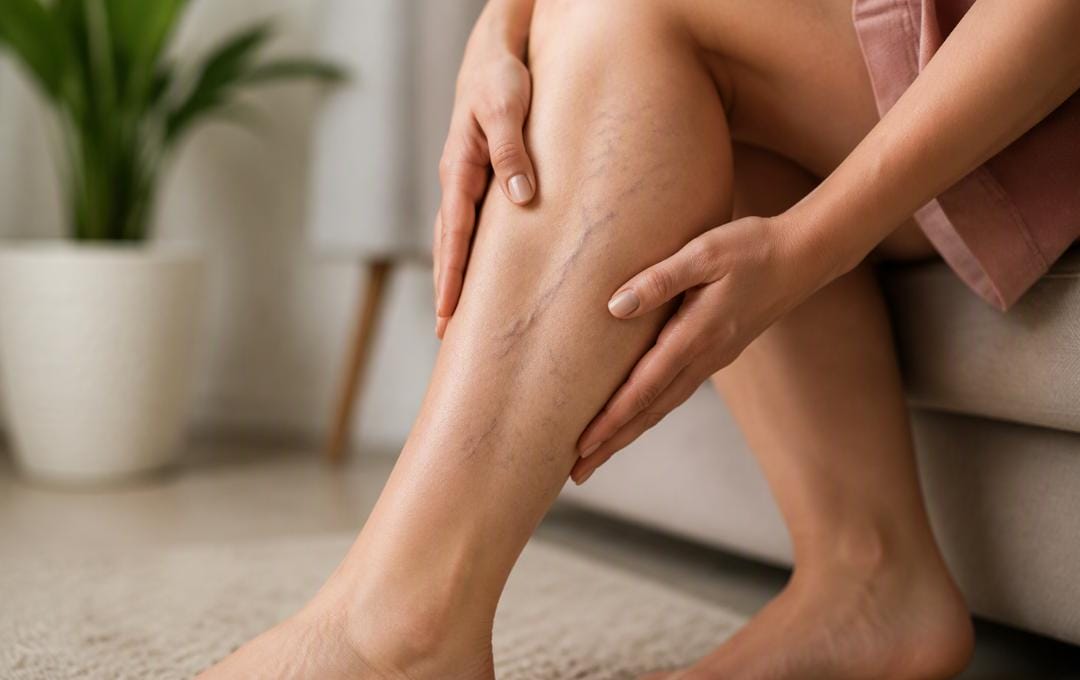
If you compare the appearance of varicose veins before and after weight loss, you may notice that the affected veins actually look more visible after losing a significant amount of weight.
As fat tissue decreases, the subcutaneous fat layer under your skin gets thinner. With less fat cushioning, your veins become more prominent and may appear larger, more purple, or more pronounced than before. This can feel discouraging, especially if you were expecting them to look better.
The important distinction is that this is cosmetic, not medical. Your vein isn’t worsening. It’s just less hidden. In fact, increased visibility is often a positive for treatment. Vein specialists can visualize the vein more clearly with an ultrasound, which makes the procedure more precise and effective. After treatment, your results often look significantly better because swelling and inflammation are resolved.
How Weight Loss Improves Varicose Vein Treatment Success
Here’s where weight loss becomes truly valuable: as a pre-treatment strategy that significantly improves outcomes.
If you’re considering minimally invasive vein treatment, achieving a healthier weight beforehand is one of the best investments you can make in your results.
| How Weight Loss May Help | Potential Benefit |
|---|---|
| Reduces pressure on leg veins | May help improve circulation and reduce symptoms such as swelling and heaviness |
| Makes veins easier to access | Less tissue around the treatment area may make certain veins easier to evaluate and treat |
| Supports overall wellness | Maintaining a healthy weight can support recovery and overall cardiovascular health |
| Helps manage risk factors | Weight management may reduce excess pressure that can contribute to vein disease progression |
Studies show that patients at a healthy weight have significantly higher treatment success rates and lower rates of new varicose vein formation compared to patients with obesity⁴. If losing weight is feasible for you, doing so before treatment stacks the odds in your favor.
GLP-1 Weight Loss Drugs and Varicose Veins: What You Need to Know
Glucagon-like peptide-1 (GLP-1) medications, such as semaglutide and tirzepatide, have become increasingly popular for weight loss. If you’re using or considering a GLP-1 drug, you may wonder how it affects your varicose veins.
The short answer: GLP-1 drugs can accelerate weight loss, which generally benefits your vein health. However, there are some nuances to understand.
- Faster weight loss means faster symptom relief. GLP-1 drugs enable more rapid weight reduction than diet and exercise alone, which means you may experience swelling and pain relief more quickly. This can be significant if varicose vein symptoms have been affecting your quality of life.
- Rapid weight loss may increase vein visibility. The downside: faster fat loss can make varicose veins more visible due to decreased skin elasticity and reduced fat cushioning. This is temporary and cosmetic, but it’s worth knowing in advance.
- Better treatment candidacy. Patients on GLP-1 drugs who reach a healthier weight become excellent candidates for minimally invasive vein treatment. The combination of weight loss plus professional treatment leads to the best outcomes.
- Important caveat. GLP-1 drugs accelerate weight loss, but they don’t eliminate the underlying vein valve damage. If you have varicose veins and are using a GLP-1 medication, reaching a healthy weight is valuable, but you’ll still need treatment if you want long-term results and full symptom relief.
GLP-1 drugs can be a useful tool for reaching a healthier weight, which supports your overall vein health and improves treatment outcomes. But they don’t replace the need for professional vein care.
Minimally Invasive Treatment Options for Varicose Vein Relief
If weight loss has helped but symptoms persist, or if you’re ready for lasting results, minimally invasive vein treatment is the gold standard.
These outpatient procedures close the damaged vein. Blood reroutes to healthy veins, and your body absorbs the treated vein over time. Symptoms resolve, and the veins disappear from view.
USA Vein Clinics offers several minimally invasive varicose vein treatment options:
- Endovenous laser treatment (EVLT) uses laser heat to collapse the vein. The procedure takes less than an hour, requires only local anesthesia, and you return to normal activities the same day. EVLT is highly effective for larger varicose veins.
- Radiofrequency ablation (RFA) uses controlled radiofrequency heat to seal the vein shut. Like EVLT, it’s an outpatient procedure with minimal downtime and minimal bruising. Many specialists prefer RFA for longer vein segments.
- VenaSeal™ (vein glue) uses medical-grade adhesive to close the vein. It’s a heat-free option, requires no incisions, and has the fastest recovery time of all options. It’s ideal for patients with sensitive skin or certain medical conditions.
- ClariVein® combines mechanical rotation with a chemical solution to treat the vein. It’s gentle, causes minimal discomfort, and works well for patients with multiple veins requiring treatment.
- Sclerotherapy uses a specialized solution injected directly into small to medium veins. It’s often used for spider veins and remaining branches after larger veins have been treated. Multiple sessions may be needed to see full results.
All these procedures share key benefits: no general anesthesia, no hospital stay, no large incisions, and immediate return to activities. Success rates range from 80 to 90 percent⁵, meaning most patients experience symptom relief and vein disappearance.
Schedule Your Vein Screening at USA Vein Clinics
The bottom line: weight loss supports your vein health, but it’s not a cure for varicose veins. Damage to vein valves is permanent without professional treatment.
The good news is that modern vein treatment is quick, easy, and highly effective. USA Vein Clinics specializes in state-of-the-art, minimally invasive treatments at convenient outpatient centers across the nation.
A vein screening takes 30 to 45 minutes and includes an ultrasound evaluation, assessment of your vein health, and a personalized recommendation. You’ll receive a clear explanation of any findings and treatment options if appropriate.
Early diagnosis and treatment prevent complications like leg ulcers, blood clots, and infection. If you’ve been managing varicose vein symptoms with weight loss or compression stockings alone, it’s worth exploring whether professional treatment could give you the lasting relief you deserve.
Ready to take the next step? Schedule your consultation online to meet with a vein specialist and get a personalized treatment plan.
Schedule a Consultation Online
Frequently Asked Questions
Will losing weight prevent varicose veins from getting worse?
Can I avoid vein treatment if I lose enough weight?
Why do my varicose veins look more visible after losing weight?
Is vein treatment covered by insurance?
Related Content
- Understanding Varicose Vein Symptoms
- Varicose Vein Treatment Options
- Chronic Venous Insufficiency Explained
Footnotes
- Brinsuk, M., Tank, J., Luft, F. C., Busjahn, A., & Jordan, J. (2004). Heritability of Venous function in Humans. Arteriosclerosis, Thrombosis, and Vascular Biology, 24(1), 207–211. https://doi.org/10.1161/01.atv.0000107080.48969.64
- Brand, F. N., A. Dannenberg, R. D. Abbott, and W. B. Kannel. The Epidemiology of Varicose Veins: The Framingham Study. American Journal of Preventive Medicine 4, no. 2 (1988): 96–101. https://pubmed.ncbi.nlm.nih.gov/3395496/
- Shaalan, W., El Emam, A., Lotfy, H., & Naga, A. (2021). Clinical and hemodynamic outcome of morbidly obese patients with severe chronic venous insufficiency with and without bariatric surgery. Journal of Vascular Surgery. Venous and Lymphatic Disorders, 9(5), 1248–1256.e2. https://doi.org/10.1016/j.jvsv.2021.01.005
- Deol, Z. K., Lakhanpal, S., Franzon, G., & Pappas, P. J. (2020). Effect of obesity on chronic venous insufficiency treatment outcomes. Journal of Vascular Surgery: Venous and Lymphatic Disorders, 8(4), 617–628.e1. https://doi.org/10.1016/j.jvsv.2020.04.006
- Elsaka, Omar. Impact and Effectiveness of Endovascular Procedures in the Treatment of Chronic Venous Insufficiency: A Literature Review. MGM Journal of Medical Sciences, 2025. https://journals.lww.com/mgmj/fulltext/2025/07000/impact_and_effectiveness_of_endovascular.22.aspx