

Medically reviewed by
Dingchao He, M.D.
Board-certified thoracic vascular surgeon
Reviewed: October 2026
There is no medically recognized best diet designed exclusively for chronic venous insufficiency (CVI), but that does not mean diet is irrelevant. Eating patterns associated with cardiovascular and anti-inflammatory health align closely with what vein specialists typically recommend for managing CVI symptoms. What you eat can affect inflammation, fluid retention, body weight, and circulation, all factors that influence how severe venous insufficiency becomes over time.
This article covers the specific dietary patterns most relevant to CVI, including the Mediterranean diet, the DASH approach, and anti-inflammatory eating, and explains what each one offers for someone managing vein disease.
Key Takeaway: No single diet addresses the root cause of venous insufficiency, but eating patterns that reduce inflammation, limit sodium, and support healthy body weight may meaningfully reduce symptom severity. Diet works best alongside a medical evaluation. If you are experiencing leg swelling, heaviness, or aching, a vein specialist can confirm whether chronic venous insufficiency is the cause.
Is There a Best Diet for Venous Insufficiency?
The short answer is no. There is no CVI-specific diet supported by clinical guidelines. What does exist is a body of evidence connecting certain dietary patterns, most of them developed for cardiovascular health, to better vascular outcomes, reduced inflammation, and lower venous pressure.
These patterns share a common foundation: they emphasize whole foods, limit processed and high-sodium ingredients, and provide nutrients that support blood vessel wall integrity. Three frameworks align most closely with what is relevant to CVI management:
- The Mediterranean diet for its anti-inflammatory and heart-healthy properties
- The DASH diet for its structured approach to sodium reduction and potassium balance
- Anti-inflammatory eating for its direct relevance to the chronic inflammation component of venous wall disease
Weight management and sodium control are also central to any dietary strategy for CVI, regardless of which overall pattern you follow.
The Mediterranean Diet and Venous Insufficiency
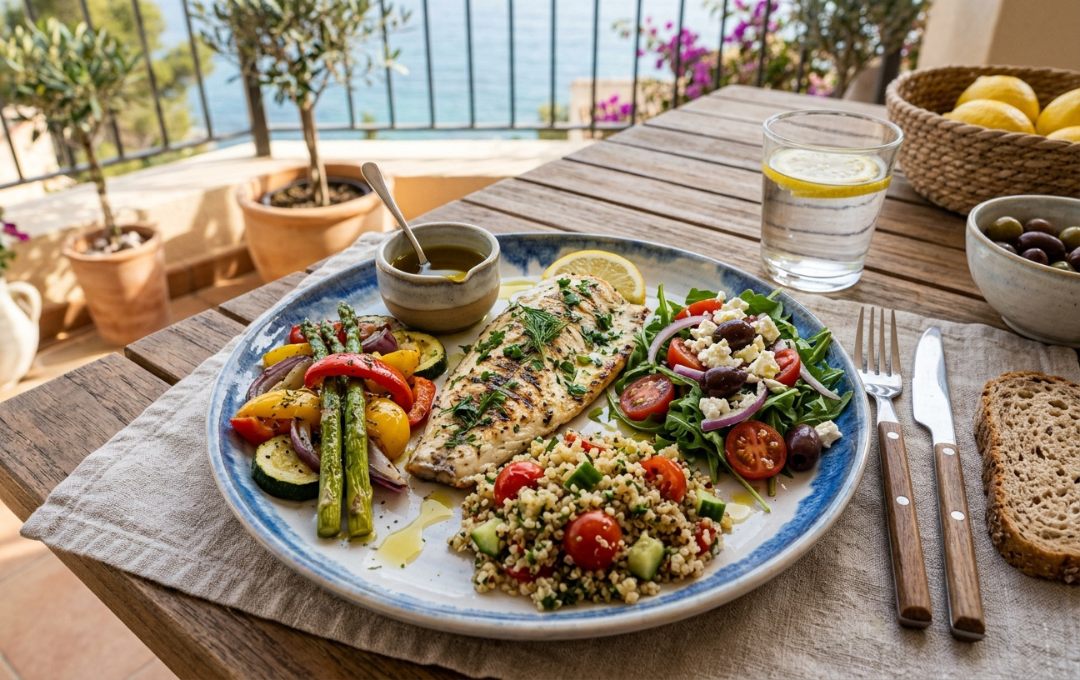
The Mediterranean diet is among the most widely recommended dietary patterns for vascular health. It centers on olive oil, fish and seafood, vegetables and fruit, whole grains, legumes, and nuts and seeds, with minimal processed food and red meat.
For someone managing venous insufficiency, the Mediterranean diet is practical for several reasons. It naturally delivers flavonoids through berries, citrus, and dark leafy greens. It provides omega-3 fatty acids through fatty fish such as salmon and mackerel. It supplies vitamins C and E through fresh produce, nuts, and seeds. And it supports healthy weight by emphasizing whole, filling foods over calorie-dense processed options.
None of these individual nutrients are unique to the Mediterranean diet, but this pattern packages them together in a way that is sustainable and broadly studied for cardiovascular benefit. Direct research on the Mediterranean diet and CVI specifically is limited, but its alignment with anti-inflammatory and weight-supportive goals makes it a logical fit for vein disease management.
A practical starting point: replace butter with olive oil, prioritize fish twice per week, and fill half your plate with vegetables and legumes at most meals.
The DASH Diet: Sodium Reduction for Vein Symptom Management
The DASH diet (Dietary Approaches to Stop Hypertension) was designed to lower blood pressure through food choices, primarily by reducing sodium and increasing potassium. For people with venous insufficiency, this focus is directly relevant.
Excess sodium causes the body to retain fluid. For someone with CVI, that fluid retention directly increases the pressure inside leg veins and worsens leg swelling and discomfort.[1] The DASH approach addresses this mechanism by targeting daily sodium intake in the range of 1,500 to 2,300 milligrams, which means moving away from processed snacks, canned soups, deli meats, fast food, and bottled condiments that make up the majority of hidden sodium in most diets.
The potassium focus is also useful. Potassium helps counterbalance sodium in the body, further supporting fluid balance. High-potassium foods emphasized in the DASH pattern include bananas, sweet potatoes, beans, lentils, and leafy greens.
For anyone whose CVI symptoms include significant leg edema, the DASH framework provides a structured, practical approach to the most modifiable dietary driver of that swelling.
Anti-Inflammatory Eating Patterns and Vein Health
Chronic venous insufficiency involves ongoing inflammation of the venous wall over time. Dietary patterns that reduce systemic inflammation may help ease this process and reduce symptoms that result from it.
The nutrients with the most evidence for anti-inflammatory benefit in the context of vein health include:
Flavonoids. Plant compounds found in berries, citrus fruits, onions, red grapes, dark chocolate, and dark leafy greens like kale and spinach. Research suggests flavonoids may improve vein tone and reduce the leg swelling and discomfort associated with CVI.[2] The specific compounds rutin and diosmin, which occur naturally in these foods, have the most clinical support for venous disease.
Omega-3 fatty acids. Found in fatty fish such as salmon, mackerel, and sardines, and in flaxseeds and walnuts. These fats reduce systemic inflammatory markers, which may benefit the venous system over time, particularly for people with poor circulation linked to vein disease.
Vitamins C and E. Vitamin C supports collagen production, a structural protein that keeps vein walls strong and elastic. Bell peppers, citrus fruits, broccoli, and kiwi are strong dietary sources. Vitamin E acts as an antioxidant that helps protect blood vessel walls from oxidative stress.[3] Almonds, spinach, and sunflower seeds provide reliable amounts. See this overview of vitamins to keep veins healthy for more detail on these nutrients.
On the other side, anti-inflammatory eating also means limiting pro-inflammatory choices: fried foods, refined carbohydrates, added sugars, and highly processed items that can contribute to weight gain and increased venous pressure. These are not absolute prohibitions, but shifting away from them consistently over time supports vascular health in meaningful ways. For more on how your eating patterns affect circulation in the legs, this article covers the key foods in more detail.
Why Weight Management Is Central to Any CVI Diet
For many people with venous insufficiency, the most impactful dietary change is not a specific nutrient or food group. It is body weight.
Excess body weight places additional mechanical pressure on the venous system, making it harder for blood to move from the legs back up to the heart. This directly worsens the pooling of blood that defines CVI, and it also adds strain to the vein valves that are already compromised. Even modest weight reduction, without necessarily reaching an ideal body weight, can reduce leg heaviness and swelling for people with vein disease.[4]
Both the Mediterranean and DASH patterns are weight-supportive without requiring calorie counting. Their emphasis on whole foods, fiber, and healthy fats tends to reduce overall caloric density while keeping meals satisfying. This is one reason they are regularly recommended in vascular care settings, not only for their specific nutrients but for their practical effect on weight over time.
Foods That May Worsen CVI Symptoms
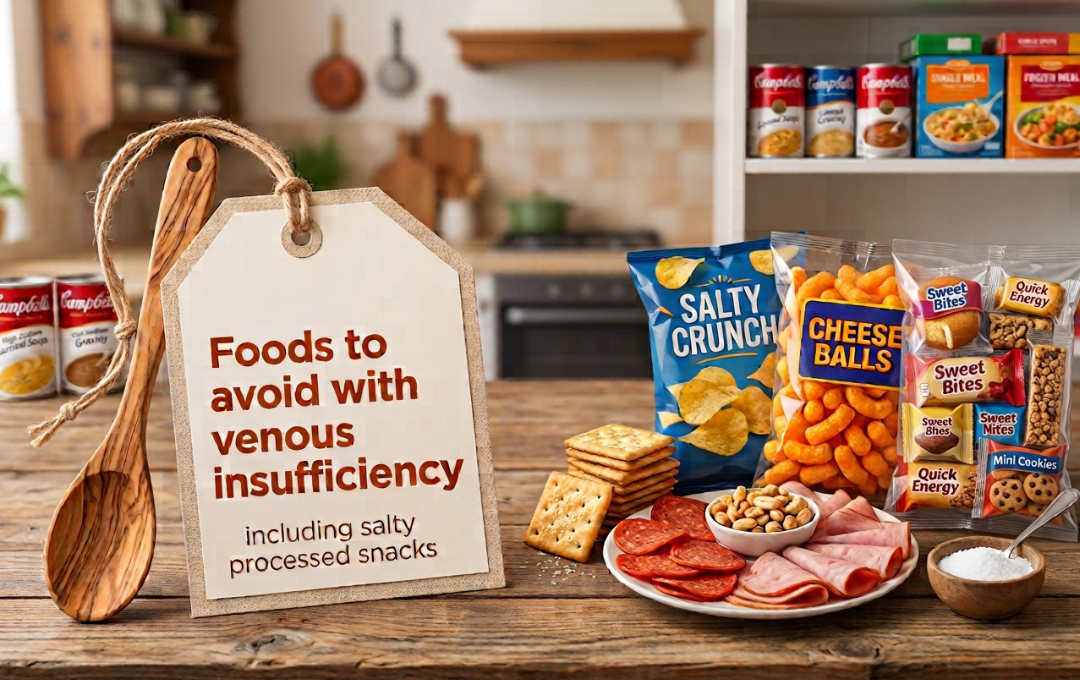
While no food directly causes venous insufficiency, certain dietary patterns may contribute to increased swelling, inflammation, or weight gain, which can place additional strain on the veins.
High-Sodium Foods
Excess sodium causes the body to retain fluid. For people living with venous insufficiency, fluid retention can increase pressure within leg veins and contribute to swelling and discomfort. Common sources of excess sodium include processed snacks, canned soups, deli meats, frozen meals, and fast food. Limiting sodium intake and choosing more fresh, minimally processed foods may help support overall vascular health.
Processed and Fried Foods
Foods high in saturated fats and trans fats may contribute to inflammation and weight gain over time. Excess body weight can place additional pressure on the veins in the legs, potentially worsening symptoms such as swelling, aching, and heaviness. Choosing baked, grilled, or roasted options instead of fried foods can be a simple way to reduce these dietary risks.
Alcohol
Alcohol can cause blood vessels to dilate and may contribute to dehydration, both of which can temporarily worsen symptoms such as leg swelling or discomfort in some individuals with vein disease. Moderate alcohol consumption is unlikely to significantly affect vein health for most people, but frequent or heavy drinking may negatively impact circulation and overall vascular health.
Refined Sugar and Highly Processed Carbohydrates
Diets high in added sugars and refined carbohydrates may contribute to chronic inflammation and weight gain. Because excess weight increases pressure on the veins, reducing consumption of sugary beverages, desserts, and heavily processed foods may help support vein health. Choosing whole grains, fruits, vegetables, and other nutrient-dense foods that provide fiber supports overall cardiovascular wellness.
Can Vitamins and Supplements Help Venous Insufficiency?
Most of the nutrients relevant to vein health are available through food rather than supplements. That said, some patients ask about targeted supplementation, and a few options have clinical support worth noting.
Flavonoid supplements such as diosmin, hesperidin, and rutin have the strongest evidence among CVI-related supplements. Research supports their use for reducing leg swelling, heaviness, and skin changes in people with chronic venous disease.[2] These are not the same as a general multivitamin; they are targeted compounds derived from citrus and plant sources.
Vitamins C and E support vascular integrity, but supplement evidence for CVI symptoms specifically is limited. Most people can meet their needs through a varied diet that includes fresh produce, nuts, and seeds.
Supplements should be discussed with a provider before starting, particularly if you take blood thinners or other cardiovascular medications. And no supplement replaces the need for a medical evaluation if your symptoms are persistent or worsening.
What Diet Cannot Do – And When to See a Vein Specialist
Diet is a supportive tool, not a treatment for venous insufficiency. CVI develops when vein valves become damaged and allow blood to pool in the lower legs. Once valve function is compromised, dietary changes alone cannot repair it or restore healthy venous return.
The Mediterranean diet, DASH approach, or any anti-inflammatory eating pattern can reduce symptom severity and may help slow progression. What none of them can do is close a damaged vein valve or reroute venous reflux. For people experiencing persistent leg swelling, heaviness, aching, or visible varicose veins, a duplex ultrasound by a vein specialist can determine whether chronic venous insufficiency is the root cause. Understanding that root cause is what makes a treatment plan possible, and diet, whatever pattern you choose, works best as one part of that broader plan.
Next Step
Find Out If Venous Insufficiency Is Behind Your Symptoms
Dietary changes can support how you feel day to day, but if leg swelling, aching, or heaviness persist despite lifestyle adjustments, the cause may be structural. A vein specialist can assess your circulation and confirm whether CVI is involved.
USA Vein Clinics offers minimally invasive, outpatient vein treatments performed by experienced vein specialists at locations nationwide.
Frequently Asked Questions About Diet and Venous Insufficiency
- WebMD Medical Reference. “Chronic Venous Insufficiency.” Reviewed March 30, 2025. webmd.com/dvt/dvt-venous-insufficiency
- Rabe, E., et al. (2016). Treatment of chronic venous disease with flavonoids: recommendations for treatment and further studies. International Angiology. 35(1):5-14. PubMed PMID: 23395842.
- National Institutes of Health – Office of Dietary Supplements. “Vitamin C – Consumer Fact Sheet.” ods.od.nih.gov. Accessed October 2026.
- Spiridon, M., Corduneanu, D. (2017). Chronic Venous Insufficiency: a frequently underdiagnosed and undertreated pathology. Maedica (Buchar). 12(1):59-61.
- National Institutes of Health – Office of Dietary Supplements. “Vitamin E – Consumer Fact Sheet.” ods.od.nih.gov. Accessed October 2026.
Medical disclaimer: This article provides educational information about vein disease and dietary approaches that may support symptom management. It is not a diagnosis or medical advice. Only a qualified vein specialist can determine whether you have vein disease or recommend appropriate treatment. If you have leg swelling, pain, skin changes, or other vascular symptoms, consult a healthcare provider or contact USA Vein Clinics for an evaluation.


