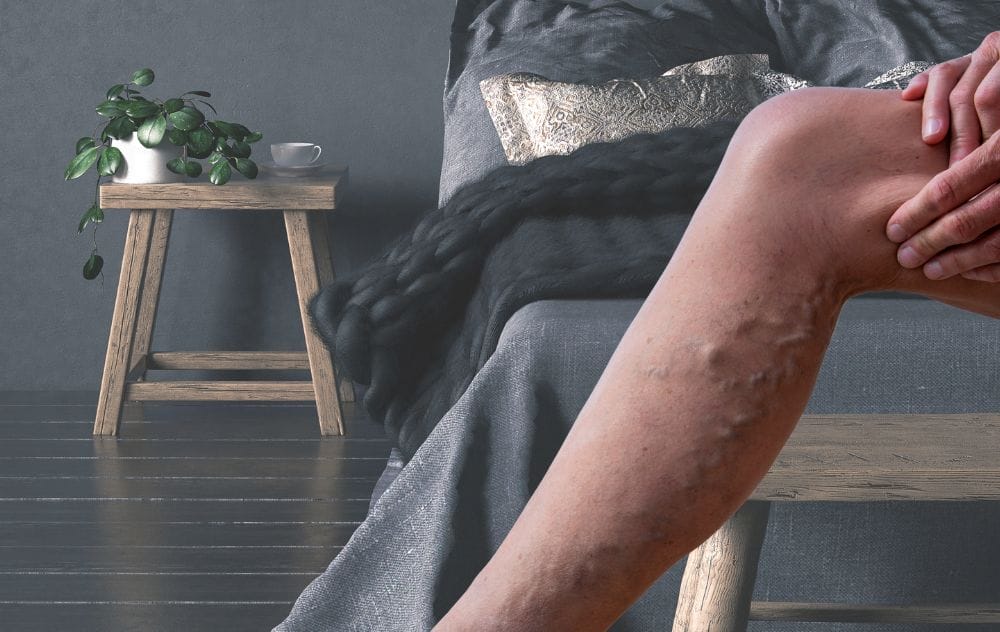
The appearance of prominent, bulging veins in the legs can feel sudden—sometimes noticed from one day to the next. This raises a common and valid question: can varicose veins appear overnight?
From a medical standpoint, the answer requires nuance. Varicose veins do not biologically form in a single night. However, they can become visible very quickly once underlying venous disease reaches a more serious point. Understanding why that happens requires a look at how vein disease develops and how circulation responds to pressure, fluid shifts, and valve failure.
Do Varicose Veins Actually Form Overnight?
Simply answered: No, varicose veins do not develop overnight. They are the result of chronic changes in venous circulation, most often caused by weakened or damaged vein valves. These changes occur gradually, sometimes over years.
What can happen overnight is a sudden change in visibility. Once pressure in the veins exceeds what weakened valves and vein walls can handle, veins may enlarge, rise closer to the surface, or become more pronounced in a short period of time.
This distinction is important: the visibility may be new, but the disease process is not.
How Varicose Veins Develop Over Time in the Legs
Healthy leg veins move blood upward toward the heart with the help of:
-
One-way valves that prevent backflow
-
Muscle contractions in the calves
-
Normal pressure gradients in the circulatory system
When vein valves weaken or fail, blood begins to flow backward and pool in the legs. This sustained pressure causes veins to stretch, twist, and enlarge. Over time, they may become visible beneath the skin as varicose veins.
This process is known as chronic venous insufficiency, and it often progresses silently before surface changes appear.
The Role of Faulty Vein Valves and Venous Reflux
Venous reflux occurs when blood flows in the wrong direction due to valve failure. As reflux worsens:
-
Pressure inside the vein increases
-
Vein walls lose elasticity
-
Superficial veins absorb excess pressure
Once these compensatory mechanisms fail, veins can suddenly appear enlarged or bulging.
Why Varicose Veins Can Appear Suddenly Without Warning
While the disease develops gradually, several triggers can make varicose veins seem to appear overnight.
Increased Venous Pressure From Standing, Sitting, or Travel
Long periods of standing or sitting—especially without movement—reduce the effectiveness of the calf muscle pump. This allows blood to pool in the lower legs. In veins already weakened by valve dysfunction, pressure can spike enough to make veins visibly distend within hours.
Fluid Retention and Leg Swelling That Makes Veins More Visible
Fluid shifts in the body can lead to dependent edema (leg swelling). As tissues swell, veins are pushed closer to the surface of the skin, making them appear larger or newly visible.
Heat, Vasodilation, and Temporary Vein Enlargement
Heat causes blood vessels to dilate. Hot showers, warm environments, or seasonal temperature changes can temporarily widen veins. In compromised veins, this dilation can reveal varicosities that were previously less noticeable.
Hormonal Changes That Weaken Vein Walls
Hormonal fluctuations—such as those during pregnancy, menopause, or hormone therapy—can relax vein walls and reduce valve strength. These changes may accelerate vein dilation and bring varicose veins to the surface more abruptly.
Undiagnosed Chronic Venous Insufficiency Reaching a Threshold
Many people have venous reflux without obvious external signs. Once internal pressure reaches a tipping point, superficial veins may suddenly become the visible outlet for that pressure—creating the impression that varicose veins appeared overnight.
Sudden Varicose Veins vs. Spider Veins: What’s the Difference?
Not all visible veins indicate advanced vein disease.
-
Spider veins are small, thin, and usually flat. They may appear quickly and are often cosmetic.
-
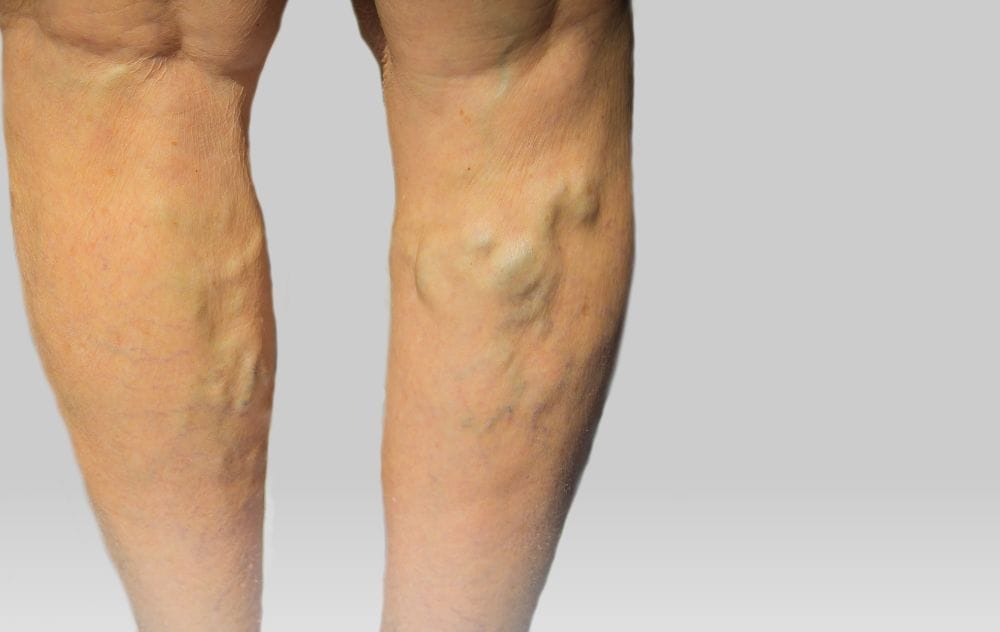
Varicose veins are larger, raised, twisted, and more likely to cause symptoms such as aching, heaviness, or swelling.
Sudden appearance of bulging or rope-like veins, especially with discomfort, is more consistent with underlying venous insufficiency.
When Sudden Vein Changes Should Not Be Ignored
While many cases are not emergencies, certain symptoms warrant prompt medical evaluation:
-
One leg swelling significantly more than the other
-
Pain, warmth, or redness along a vein
-
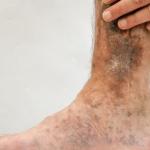
Skin darkening, thickening, or itching near the ankle
-
Persistent heaviness, cramping, or fatigue in the legs
These signs may indicate progression of vein disease or complications that require treatment.
Symptoms That May Indicate Advanced Vein Disease
Advanced venous insufficiency can affect more than appearance. Over time, untreated vein disease may lead to skin changes, inflammation, or ulceration. Early evaluation helps reduce these risks.
How Vein Specialists Evaluate Sudden Varicose Vein Changes
A professional evaluation focuses on vein function, not just appearance. This typically includes:
-
A detailed symptom and risk-factor review
-
Physical examination of the legs
-
Venous ultrasound to assess blood flow and valve function
This diagnostic approach determines whether visible veins are superficial or part of a broader circulatory issue—and guides appropriate treatment planning.
What to Do If Varicose Veins Appear Overnight
If you notice sudden changes in your leg veins:
-
Monitor for symptoms such as pain, swelling, or heaviness
-
Elevate your legs when resting
-
Avoid prolonged standing or sitting without movement
-
Schedule a vein evaluation to assess circulation and valve health
Early intervention can help slow progression, relieve symptoms, and address vein disease with minimally invasive options when appropriate.
Why Choose America’s Leading Vein Specialists
USA Vein Clinics offers comprehensive, accessible, and evidence-based care delivered by board-certified specialists across more than 168 outpatient locations. Patients benefit from personalized treatment plans, minimally invasive procedures, and insurance-covered care. Read What Our Patients Say
If your veins suddenly become very visible and you are unsure if it’s a sign of vein disease, call us at 888.768.3476 to schedule an appointment or book online to find a leading vein treatment clinic near you.