
Table of Contents
- Will a Hot Tub or Bath Affect Varicose Veins?
- Why Does Heat Make Varicose Veins Worse?
- Are Hot Tubs Bad for Varicose Veins?
- Hot Tubs vs. Cold Water for Varicose Veins
- Does Summer Heat Affect Vein Disease?
- When Should You See a Vein Specialist?
- Varicose Vein Treatment Options at USA Vein Clinics
- Frequently Asked Questions
If you have varicose veins, soaking in a hot tub may feel soothing at first, but prolonged heat exposure can actually worsen many vein disease symptoms. Hot tubs, saunas, steam rooms, and hot baths cause blood vessels to widen—a process known as heat vasodilation. For individuals with chronic venous insufficiency, this increased vein dilation can lead to greater blood pooling in the legs, elevated venous pressure, swelling, heaviness, and worsening discomfort.
Many patients ask whether hot tubs cause varicose veins. The answer is no. Heat does not create vein disease, but it can aggravate existing swollen veins in the legs and make symptoms more noticeable. If you already experience leg swelling, throbbing veins, aching legs, or skin changes associated with poor circulation in the legs, frequent exposure to high temperatures can contribute to symptom flare-ups.
At USA Vein Clinics, our board-certified vein specialists evaluate and treat venous disease using advanced ultrasound-guided diagnostics and minimally invasive treatments designed to address the underlying cause of varicose veins rather than temporarily masking symptoms.
Will a Hot Tub or Bath Affect Varicose Veins?
The short answer is yes. High water temperatures directly impact lower extremity vascular circulation and venous blood return. Understanding why requires examining the underlying mechanics of venous disease.
Varicose veins develop due to chronic venous insufficiency (CVI), a progressive condition where tiny, one-way vein valves become damaged or weak. Normally, functional valves prevent backward flow as blood travels upward against gravity toward the heart. When vein valve damage occurs, blood leaks backward—a process called venous reflux—resulting in blood pooling in the legs and elevated hydrostatic pressure inside superficial veins. Over time, this chronic venous hypertension causes vein walls to stretch, twist, and bulge.
While some assume enlarged leg veins are purely cosmetic, underlying venous insufficiency often causes noticeable daily symptoms, including:
- Lower extremity edema (swelling around the calves, ankles, and feet)
- Aching, tired, or heavy legs after extended standing or sitting
- Localized burning, throbbing, or calf muscle cramping
- Itchy, irritated skin or stasis dermatitis over affected vessels
- Restless leg symptoms that disrupt evening sleep
- Severe varicose vein pain after heat exposure
Vascular Health Warning: Left unmanaged, chronic venous insufficiency can lead to serious skin breakdown, vascular inflammation, non-healing leg ulcers, or Deep Vein Thrombosis (DVT)—a hazardous blood clot in the deep venous system requiring urgent medical attention.
Why Does Heat Make Varicose Veins Worse?
Healthy veins rely on intact, functional valves and muscle contractions to maintain steady circulation. When thermal therapy or hot water is introduced, the vascular system reacts immediately.
When you immerse your lower body in a hot bath or jacuzzi:
- Veins significantly expand (dilate) in response to high temperatures.
- More blood surges into already weakened, compromised vessels.
- Venous pressure escalates within the lower extremities.
- Leg swelling and tissue edema worsen around the ankles.
- Aching, throbbing, and heaviness become more intense.
- Fluid leaks from stretched capillary walls into surrounding tissue.
Are Hot Tubs Bad for Varicose Veins?
While soaking in a jacuzzi does not cause vein valves to break initially, thermal heat exposure acts as a strong vasodilator that aggravates diseased vessels. The combination of standing heat and sitting motionless in warm water causes blood to pool rapidly in lower leg tissue.
For these reasons, vein specialist recommendations consistently advise avoiding hot tubs, saunas, and steam rooms if you suffer from symptomatic varicose veins or chronic venous insufficiency.
Hot Tubs vs. Cold Water for Varicose Veins
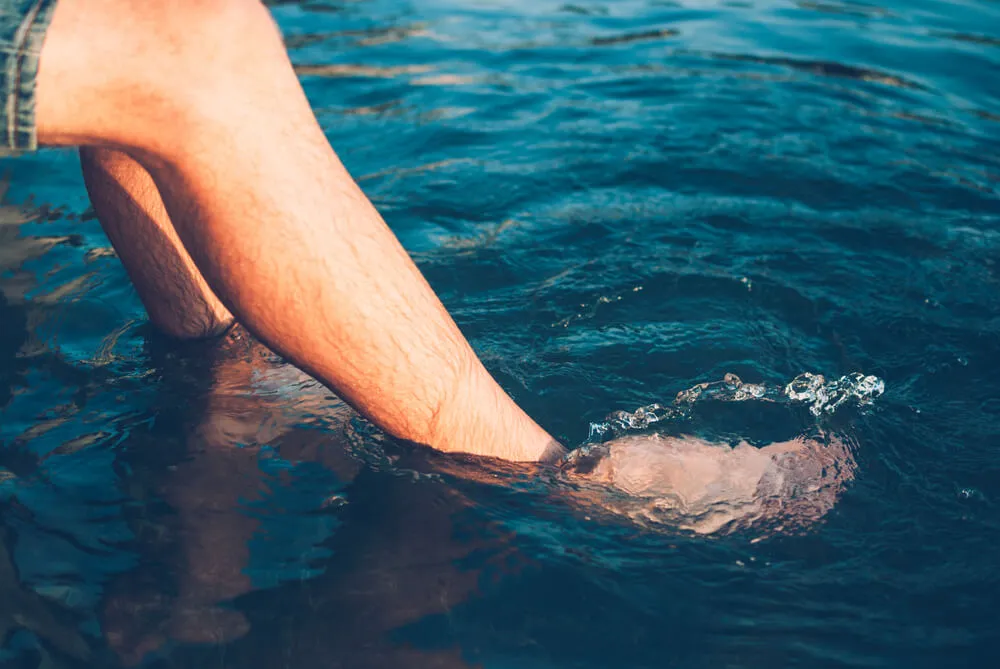
Patients frequently ask whether cold water immersion is safer or more beneficial than thermal heat exposure for vascular health.
| Heat Exposure (Hot Tubs/Baths) | Cool Water Exposure (Cool Showers/Swimming) |
|---|---|
| Expands veins via vasodilation | Temporarily narrows veins via vasoconstriction |
| Increases lower leg swelling & fluid buildup | May temporarily decrease leg swelling |
| Encourages blood pooling in legs | Encourages upward venous blood return |
| Worsens leg aching, throbbing, and heaviness | Provides short-term relief from heaviness |
While rinsing legs with cool water or swimming in a cool pool offers short-term comfort, cool water exposure cannot repair diseased vein valves. Long-term management requires targeted clinical care.
Does Summer Heat Affect Vein Disease?
Yes. Many individuals experience noticeable leg swelling in hot weather. Elevated ambient temperatures cause superficial blood vessels to dilate continuously to cool the body down. If you have venous insufficiency, this natural cooling mechanism leads to increased pooling, tissue inflammation, and uncomfortable heaviness in the calves and ankles throughout warm summer months.
To reduce heat-related vein discomfort, vascular specialists recommend:
- Activating the calf muscle pump: Walk regularly to stimulate muscle contractions that squeeze leg veins and push blood upward.
- Utilizing vein compression therapy: Wear gradient compression stockings during the day to prevent blood from pooling.
- Elevating legs: Prop legs above heart level for 15–20 minutes to encourage natural drainage.
- Staying hydrated: Drink adequate water to support proper blood flow and prevent cramps.
When Should You See a Vein Specialist?
Many individuals assume bulging veins are strictly a cosmetic issue. However, visible leg veins often indicate underlying chronic venous insufficiency that can progress if left unaddressed.
You should schedule a comprehensive vascular evaluation if you experience:
- Leg swelling that worsens toward the end of the day
- Persistent aching, throbbing, or burning in the legs
- Heavy, exhausted legs during routine daily movement
- Frequent nighttime leg cramps or restless leg symptoms
- Skin darkening, thickening, or discoloration around the ankles
- Non-healing leg ulcers or open sores near the ankles
- Bulging or twisting varicose veins that grow larger over time
Varicose Vein Treatment Options at USA Vein Clinics
You do not need to endure painful invasive vein stripping surgery to eliminate varicose veins. At USA Vein Clinics, our board-certified vascular specialists use advanced non-invasive duplex ultrasound imaging to pinpoint the exact location of venous reflux before creating a customized treatment plan.
We offer targeted, image-guided endovenous treatments performed in our comfortable outpatient clinics. Treatments take 15 to 30 minutes with minimal downtime, allowing patients to resume normal daily routines quickly:
- Endovenous Laser Therapy (EVLT): Uses precise laser energy delivered via a thin catheter to seal diseased vein walls closed.
- Radiofrequency Ablation (RFA): Uses uniform thermal energy to collapse malfunctioning vein segments gently.
- Ultrasound-Guided Sclerotherapy (UGSC): Injects a specialized sclerosant under real-time ultrasound guidance to seal tortuous, twisting veins.
- ClariVein®: A mechanical-chemical treatment that combines a rotating catheter tip with a sclerosant solution to seal veins efficiently without tumescent anesthesia.
- VenaSeal™: Uses a specialized medical adhesive to seal the diseased vein shut safely without heat or multiple needle sticks.
- Ambulatory Phlebectomy: Removes surface-level varicose veins through tiny, micro-incisions that require no stitches.
By closing damaged veins, blood flow is automatically redirected into neighboring healthy veins with functioning valves, restoring proper vascular circulation and eliminating chronic symptoms.
Why Patients Choose USA Vein Clinics
USA Vein Clinics is one of the nation’s leading providers of specialized vein care, with clinic locations across the country dedicated exclusively to diagnosing and treating venous conditions. Our experienced vein specialists combine clinical diagnostic expertise with compassionate, individualized care, helping thousands of patients achieve lasting relief from vein disease. We have treated thousands of patients with chronic venous insufficiency and varicose veins using minimally invasive outpatient procedures.
If leg swelling or heat-induced vein pain is interfering with your quality of life, schedule an appointment online with USA Vein Clinics today. In-person and telemedicine consultations are available.