Medically reviewed by
Dr. Yan Katsnelson, M.D.
Founder & CEO, USA Vein Clinics | Cardiac Surgeon | Harvard Medical School
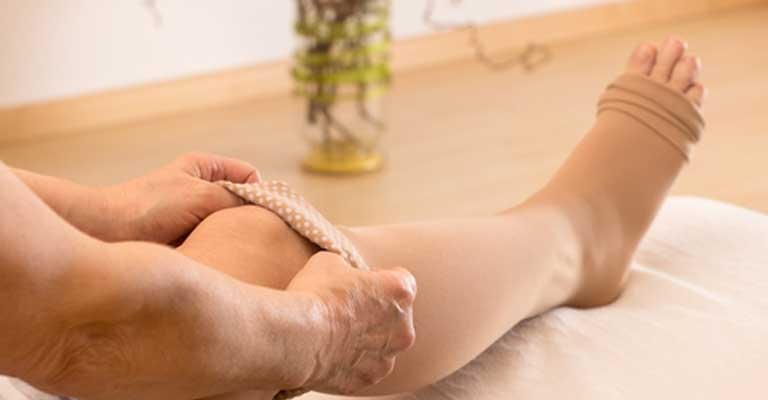
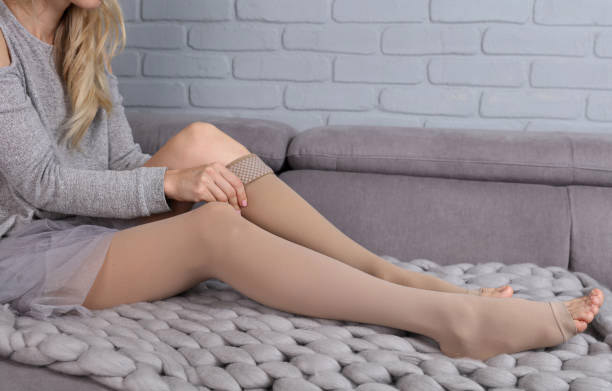
When determining the benefits of compression socks for varicose veins, we must understand that compression stockings can help ease the swelling, aching, and heaviness that often come with varicose veins. They work by applying steady, graduated pressure to the leg, which supports blood flow back toward the heart and reduces pooling in the lower leg.
We want individuals to understand how compression stockings work for varicose veins, the specific benefits patients tend to notice, what compression cannot do, and how to wear stockings safely and effectively.
How Compression Stockings Work for Varicose Veins
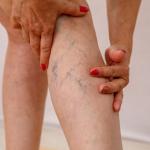
Varicose veins develop when the small one-way valves inside leg veins weaken or stop closing properly. This is often the visible sign of an underlying condition called chronic venous insufficiency (CVI), or venous reflux, in which blood does not flow efficiently back up toward the heart and instead pools in the lower leg.
Compression stockings address this pooling mechanically rather than clinically. They apply graduated pressure that is tightest at the ankle and gradually looser up the leg. This pressure gradient narrows the surface veins slightly and helps the calf muscles push blood upward more efficiently, supporting venous return. Yale Medicine notes that compression stockings can reduce swelling and leg fatigue associated with varicose veins by supporting this circulation pathway.1
For a broader look at how compression works, including types of garments and general risks, see our guide on leg compression therapy.
What Are the Benefits of Compression Stockings for Varicose Veins?
When worn consistently and fitted correctly, compression stockings may offer several specific benefits for people with varicose vein symptoms:
- Reduced leg swelling – Graduated pressure helps limit fluid buildup around the ankle and lower leg, which is a common source of end-of-day discomfort.
- Less aching and heaviness – By supporting blood flow instead of allowing it to pool, compression can ease the dull, tired feeling many patients describe by late afternoon.
- Lower cramping frequency – Some patients notice fewer nighttime leg cramps when they wear compression consistently during the day.
- Support during long periods of standing or sitting – Jobs or travel that involve staying in one position for hours can worsen venous pooling, and compression can help offset this.
- A useful conservative step before or alongside other care – Many insurance plans also require a trial period of compression before covering additional evaluation, making it a practical starting point.
A review of conservative venous disease management found that graduated compression stockings meaningfully improved patient-reported symptoms and quality of life, particularly for those with more visible or advanced venous changes.2
What Compression Stockings Cannot Do
Compression stockings manage symptoms. They do not repair the weakened vein valves that caused the varicose veins to form in the first place. Research reviewing conservative management options for varicose veins has found that compression alone does not reverse existing venous reflux or make visible varicose veins disappear.2
This means that for many patients, symptoms can return fairly quickly once the stockings come off, and the underlying venous insufficiency can slowly progress over time even with consistent compression use.
If you’re considering a leg tattoo, it’s important to know that compression stockings won’t eliminate visible varicose veins. Learn whether it’s safe to tattoo over varicose veins and why treating vein disease first is often recommended.
When Compression Alone Is Not Enough
It may be time to look beyond compression if you notice:
- Symptoms that keep coming back stronger despite regular stocking use
- Varicose veins that appear to be getting larger or more numerous
- Skin discoloration, dryness, or changes near the ankle
- Aching or heaviness that limits daily activity
While varicose veins themselves are different from deep vein thrombosis (DVT), untreated vein disease can increase the risk of certain vein complications. Learn whether varicose veins can turn into DVT, how the two conditions are connected, and the warning signs that shouldn’t be ignored.
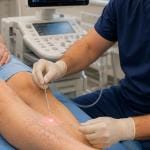
In these situations, a vein specialist can evaluate whether minimally invasive varicose vein treatment options may be appropriate. These outpatient procedures are designed to address the underlying venous reflux directly rather than only managing the symptoms it causes.
If you are wondering what treatment and recovery are actually like, read life after varicose vein treatment, including real patient experiences, common recovery timelines, and the improvements many people notice after minimally invasive vein procedures. You can also view before-and-after photos of varicose vein treatment to see how minimally invasive procedures have improved the appearance of real patients’ legs over time.
[locations-cta]
How to Choose and Wear Compression Stockings Safely
- Talk to a doctor about compression level. Compression is measured in mmHg. Mild levels are often used for general leg fatigue, while moderate to firm levels are typically reserved for more noticeable venous insufficiency, usually under medical guidance.
- Get properly measured. Ill-fitting stockings can bunch, roll, or fail to deliver even pressure, which reduces their benefit and can irritate skin.
- Put them on first thing in the morning. Legs tend to be least swollen before you get out of bed, which makes stockings easier to apply and more effective throughout the day.
- Check your skin daily. Look for redness, irritation, or numbness, and loosen or remove stockings if you notice discomfort that does not resolve quickly.
- Replace stockings every few months. Elastic fibers lose their compressive strength over time, even with proper care.
- Stay hydrated. Proper hydration supports healthy circulation while wearing compression stockings. If you exercise regularly, learn whether working out can affect varicose veins and which activities are most vein-friendly. If you drink alcohol regularly, it is also worth understanding how alcohol affects varicose veins and circulation, as alcohol can temporarily widen blood vessels and may worsen symptoms for some people.
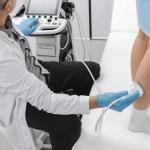
A vein specialist can help determine the right compression level for your specific symptoms and confirm whether additional evaluation, such as a duplex ultrasound, would be useful.
Next step
Compression Helps. It Does Not Treat the Underlying Vein Disease.
Compression stockings are a genuinely useful tool for easing day-to-day swelling, aching, and heaviness from varicose veins. Many patients rely on them comfortably as part of daily life.
But compression cannot repair the weakened vein valves causing those symptoms. When venous reflux is the root cause, a minimally invasive, outpatient procedure can address it directly, often with little to no downtime. The first step is understanding what your symptoms may mean.
Frequently Asked Questions
- Yale Medicine, “Blood Clots, Varicose Veins, and Sore Legs: Can Compression Socks Help?” Yale Medicine News. https://www.yalemedicine.org/news/blood-clots-varicose-veins-sore-legs-compression-socks-help
- National Institute for Health and Care Excellence / NCBI Bookshelf, “Conservative Management – Varicose Veins in the Legs,” NCBI Bookshelf. https://www.ncbi.nlm.nih.gov/books/NBK328015/
Medical disclaimer: USA Vein Clinics content provides medical education only. It is not a diagnosis or treatment recommendation. Consult a vein specialist for evaluation.