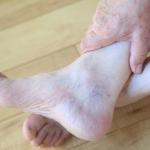
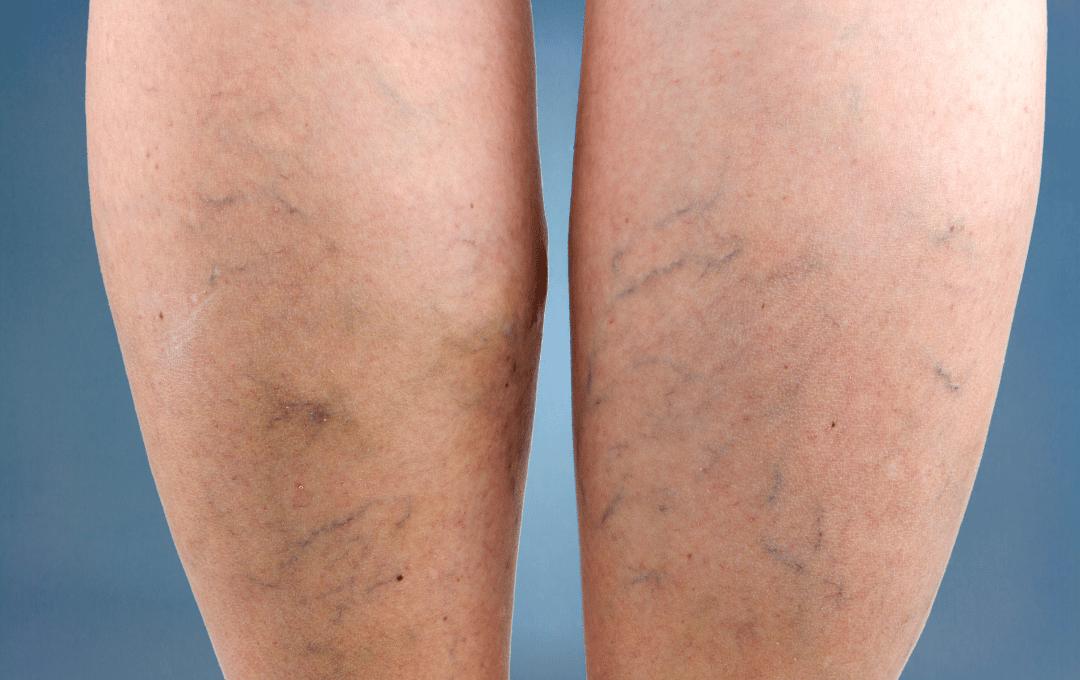
Have you ever wondered why your veins appear blue or green? While skin undertones and light penetration play a role, your actual vein health isn’t about the blood color itself, but rather about how light interacts with your tissues and what that implies about the veins’ structure.
While blue or green veins can be harmless, bulging or discolored veins may signal a health condition, such as chronic venous insufficiency (CVI). This common condition affects millions of Americans and can lead to serious complications, such as blood clots, if left untreated. Understanding what causes blue veins vs green veins, how they can progress to a more serious condition, and knowing when to see a vein specialist can help you maintain healthier veins.
Why Do Veins Appear Blue or Green?
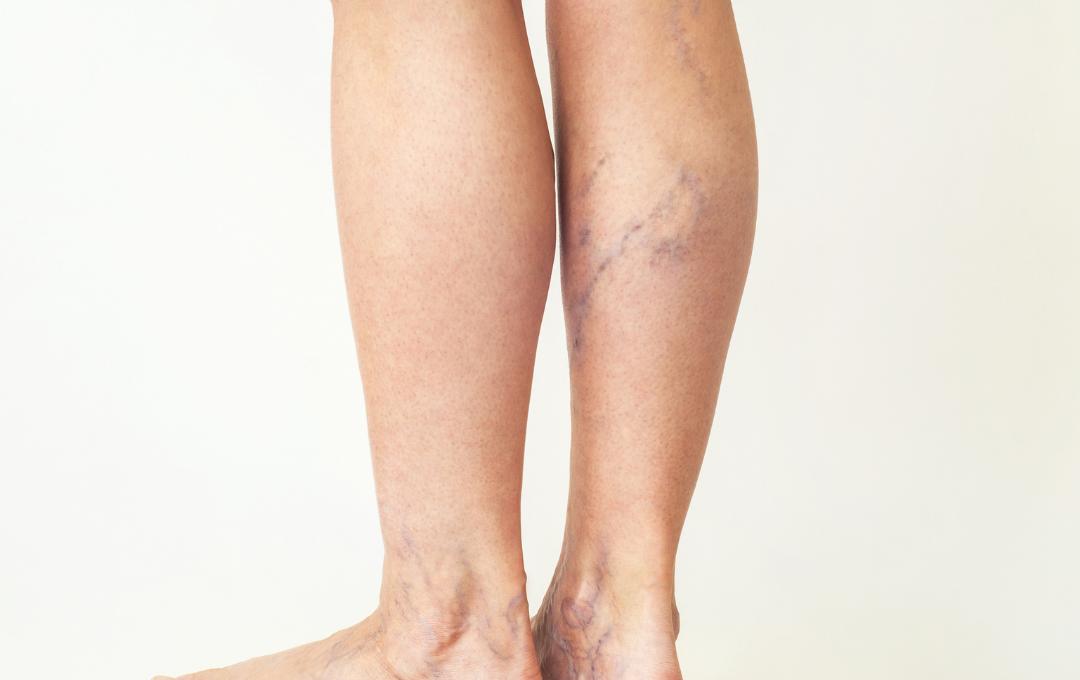
Have you ever wondered why your veins appear blue or green? The color you see is actually an optical illusion determined by how light penetrates and scatters through your skin. While factors like your skin tone (lighter skin makes blue/green veins more visible) and body fat composition (thinner skin and less fat make them more prominent) play a role, the way a vein looks can also offer early clues about its underlying health. Veins closer to the surface, known as superficial veins, are the ones most likely to be visible and require careful observation for signs of change.
What Do Blue Veins Mean?
Blue veins are typically normal and not a sign of a circulation problem. Blue veins appear blue because of how light behaves when it enters and interacts with the skin.
What Do Green Veins Mean?
Green veins are simply a normal variation in how skin pigmentation interacts with light and do not indicate a health issue on their own. Green veins result from the same light-scattering process and are influenced by individual skin undertones.
What’s the Difference Between Blue Veins vs. Green Veins?
When comparing blue veins vs. green veins, the color difference you see is due to a combination of the skin’s natural undertones and the blood within the veins. Blood is always red, but its shade changes based on oxygen levels.
So why is blood in the veins dark red?
Blood can appear dark red in the veins because it has less oxygen than blood in the arteries. Veins also lie close enough to the skin for their color to show through, which is why they may be visible.
Understanding Skin Undertones
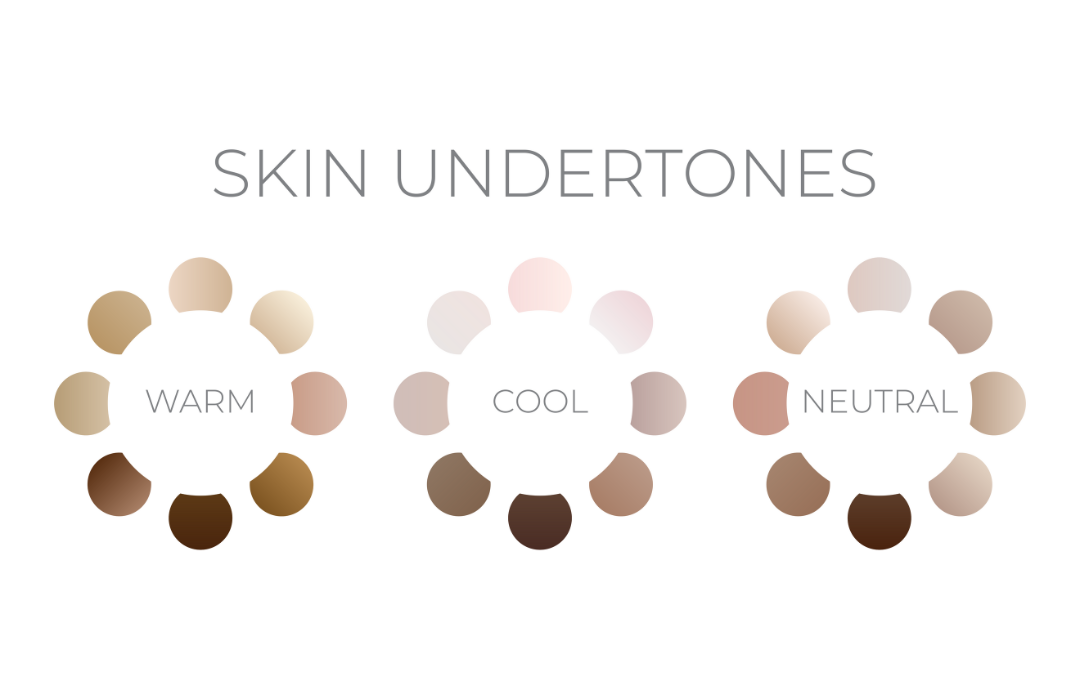
Skin undertone also affects how you perceive green veins vs blue veins. Skin undertones are not the same as skin tone. The hue underneath the skin’s surface is considered your skin’s undertone, while what you can visually see is referred to as skin tone.
- Warm undertones, like peach, gold, and yellow, have veins that look green. People with olive, tan, or darker complexions often notice this effect.
- Cool undertones have pink and blue tints, so veins appear blue, especially on lighter skin tones.
- Neutral undertones have both pink and peach tints, so their veins appear blue-green.
When Blue or Green Veins Reveal a Deeper Issue
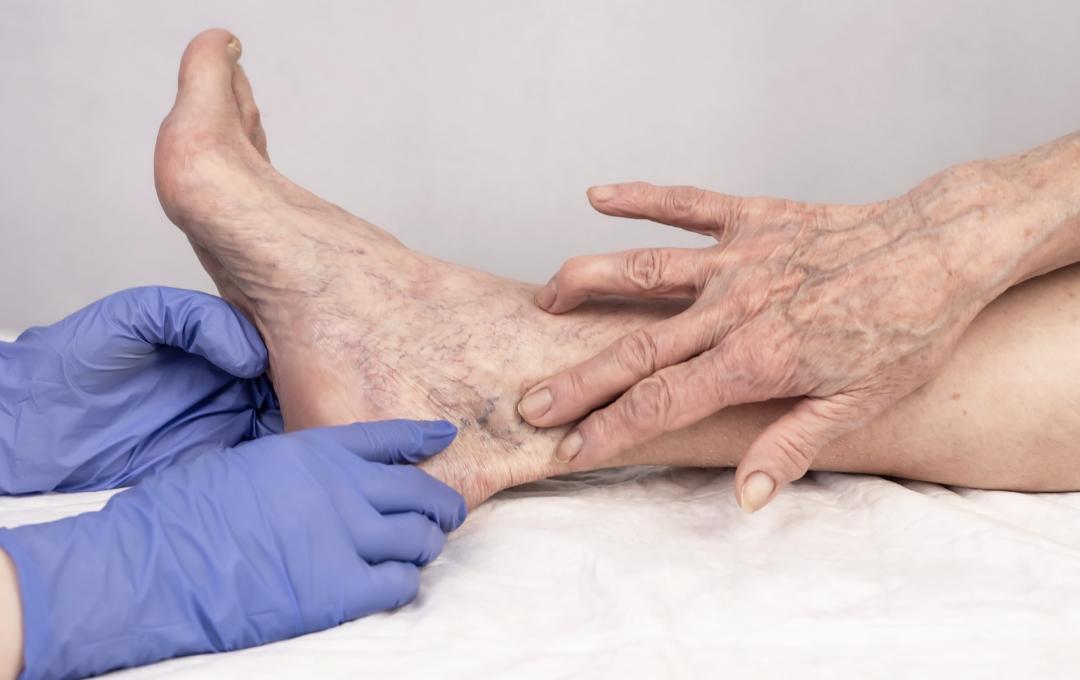
While vein color isn’t typically a sign of a health problem, certain changes to the appearance of your veins can indicate potential issues. If you notice changes in vein size, shape, or color, or experience additional symptoms, you may have chronic venous insufficiency (CVI), or vein disease.
CVI occurs when tiny valves inside your veins, which help push blood from the legs back toward the heart, become damaged. This leads to blood pooling in the legs, causing the veins to expand and twist while also bringing painful symptoms, including:
- Leg pain, aching, or cramping
- Fatigue or heaviness in the legs
- Itching or burning sensations
- Restless legs, typically at night
As CVI progresses, your veins may appear darker than their usual blue or green. In more advanced cases, the skin can also start to become discolored. Non-healing wounds may develop, and the patient is at a greater risk of a serious blood clot known as deep vein thrombosis (DVT).
The earlier CVI is detected and treated, the less likely it will progress to more serious health issues. If you are worried that you already have symptoms, take our short quiz to determine if you need to see a vein specialist.
Check Your Symptoms with a Quiz
How to Address Issues with Blue or Green Veins

If you are concerned about the appearance of your veins, it’s important to consult with a vein doctor. If vein disease is detected, they can tailor a personalized treatment plan to help alleviate painful symptoms and reduce the appearance of your green or blue veins.
USA Vein Clinics offers a patient-centered approach to vein care across 160+ locations nationwide. Our focus is on minimally invasive procedures that will safely seal problem veins shut and reroute blood flow through healthier blue and green veins.
The USA Vein Clinics Difference
- Convenience & Comfort: Our treatments do not require general anesthesia or an extended hospital stay.
- Outpatient Care: Patients can typically return home the same day as their treatment.
- Focused on Outcomes: We are committed to providing effective relief and restoring your quality of life.
Get started on becoming a healthier, active you. Find a vein specialist near you.
FAQs About Blue Versus Green Veins
What do unhealthy veins look like?
Unhealthy veins will look like they are bulging and twisting from underneath the skin, which is characteristic of varicose veins, or appear in thin, web-like patterns known as spider veins. They may be accompanied by leg pain, swelling, heaviness, or fatigue, which can indicate underlying vein disease.
Are green veins good or bad?
Green veins are not inherently good or bad. It means that you have warm skin undertones. However, green veins that become more noticeable and carry painful symptoms, such as achy, swollen legs, may signal vein disease and should be seen by a vein specialist.
Is vein color related to blood oxygen levels?
No, vein color is not related to blood oxygen levels. Although veins carry deoxygenated blood back toward the heart, vein color is based on your skin tone, skin undertones, and how light reflects off your skin.
What do blue vs green veins mean about my undertone?
Your skin undertone can influence how your veins look from underneath the skin. Warm undertones, such as peach, gold, and yellow, can make veins look green. Cool undertones, such as pink and blue, make veins appear blue. Neutral undertones of pink and peach tints can cause the veins to look blue-green.