
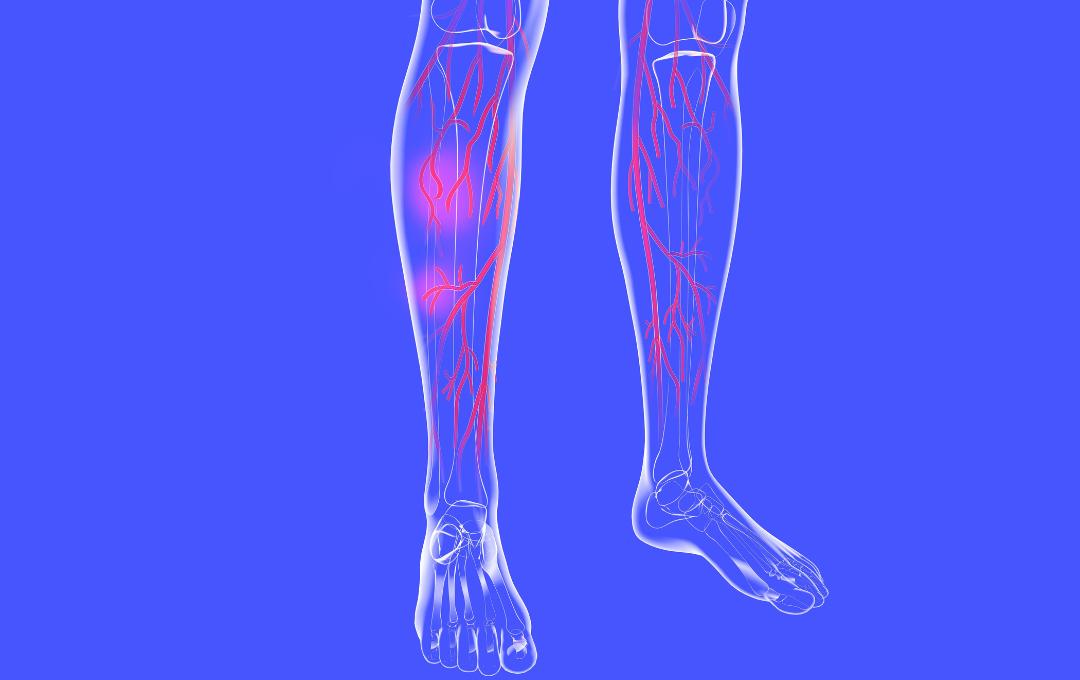

The great saphenous vein (GSV) is the longest vein in the human body and plays a crucial role in leg circulation. It carries blood upward from the lower leg toward the heart using a series of one-way valves. When these valves weaken, the GSV becomes more prone to venous reflux, blood pooling, and the development of vein disease, a common condition discussed extensively in our vein disease education category. Understanding how the GSV works can help prevent progression of vein disease or identify early warning signs.
Concerned About Your Great Saphenous Vein?
Schedule a Vein Evaluation & Ultrasound
Where Is the Great Saphenous Vein Located?
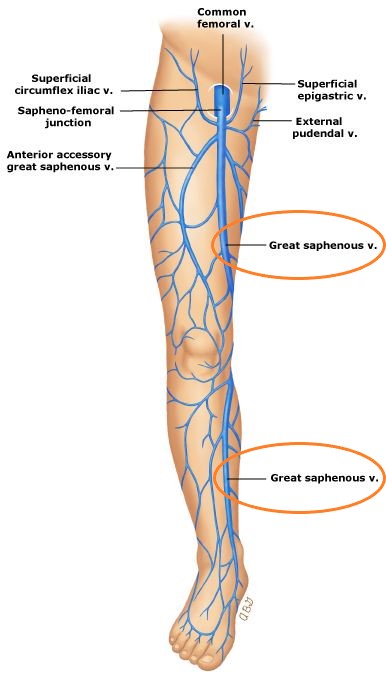
The great saphenous vein runs from the foot along the inner side of the leg, traveling upward until it connects with the deep femoral vein near the groin. Because it lies close to the skin’s surface, it may appear visible, especially near the ankle.
As a superficial vein, the GSV collects blood from tissues near the skin and channels it into the deeper venous system, which then carries blood back to the heart. This structure makes the GSV more susceptible to symptoms often seen in chronic venous insufficiency, including heaviness, swelling, and bulging varicose veins.
Many people experience discomfort along the GSV pathway similar to symptoms described in heavy legs or burning sensations associated with varicose veins
What Does the Great Saphenous Vein Do?
The GSV plays a vital role in lower-body circulation by:
- Collecting blood from superficial tissues
- Transporting blood upward against gravity
- Relying on one-way valves to prevent backward flow
Because the vein runs along the entire leg, damage to any section of its valves can disrupt circulation and contribute to varicose veins, swelling, aching, or discomfort.
How Vein Disease Damages the Great Saphenous Vein (GSV)
The GSV has multiple valves working hard against gravity to push blood upward. When these valves weaken often due to genetics, age, pregnancy, or prolonged standing, blood begins to flow backward, creating venous reflux.
Over time, reflux causes:
- Swelling
- Heaviness
- Leg pain
- Aching or throbbing
- Fatigue
- Varicose veins
- Skin changes
These symptoms closely resemble early signs of vein disease and may gradually worsen if untreated.
Risk of Blood Clots in the GSV
While many blood clots in the saphenous vein remain superficial, they can extend into deeper veins. When this occurs, the clot can evolve into deep vein thrombosis (DVT) — a potentially life-threatening condition. Individuals with one-sided swelling similar to this should seek prompt evaluation.
Check Your Symptoms With a Quiz
Can the Great Saphenous Vein Develop Blood Clots?
Yes. Clots in the GSV are known as superficial thrombophlebitis and often occur due to inflammation or pressure from vein reflux. These clots may feel like firm, painful cords under the skin.
Although superficial clots are usually less dangerous, they can progress into deeper veins if untreated. Clots in deep veins can lead to pulmonary embolism, a medical emergency.
Symptoms that warrant immediate evaluation include:
- Swelling in one leg
- Redness or warmth
- Sudden increase in pain
- Tenderness along the vein
This overlap of symptoms is also seen in untreated varicose veins
Diagnostic Comparison: GSV Reflux, DVT, and Cellulitis
| Condition | Pain Pattern | Skin Appearance | Key Symptoms | Urgency |
| GSV Venous Reflux | Aching, heaviness, fatigue | Bulging veins, swelling | Leg heaviness, visible veins | Evaluation recommended |
| Superficial Thrombophlebitis | Localized pain, firm cord | Red, warm, tender vein | Sharp tenderness, hardened vein | Medical evaluation recommended |
| DVT | Deep aching, tightness | Redness, swelling (one leg) | Heat, swelling, pain when standing | Emergency |
| Cellulitis | Burning, stinging | Spreading redness, warmth | Fever, tenderness | Urgent care |
Treatment Options for Great Saphenous Vein Disease
The GSV responds extremely well to modern, minimally invasive treatments. These procedures close the diseased section of the vein, allowing blood to reroute through healthier veins.
Common GSV treatments include:
Varithena® (Polidocanol Foam)
A foam medication injected into the GSV to collapse the damaged vein.
A 2016 Phlebology study found Varithena effective in:
- Reducing leg pain
- Improving mobility
- Improving varicose vein appearance
Endovenous Laser Therapy (EVLT)
Uses targeted laser energy to seal the malfunctioning vein.
Radiofrequency Ablation (RFA)
Uses heat to close the GSV and restore healthy circulation.
VenaSeal™
A medical adhesive that seals the vein with minimal discomfort.
Ultrasound-Guided Sclerotherapy & ClariVein®
Ideal for branch veins feeding into the GSV.
These same treatments are commonly recommended for burning veins and other reflux-related symptoms.
Explore Other Vein Disease Treatments
When to See a Vein Specialist
You should seek evaluation if you experience:
- Aching or heaviness in the inner leg
- Visible varicose veins along the GSV
- Swelling or throbbing
- Warm, red, or hardened veins
- Symptoms worsening after long periods of standing
Vein specialists can diagnose GSV disease using an ultrasound exam — the gold standard for evaluating venous reflux.
Schedule a GSV Evaluation at USA Vein Clinics
If vein disease is affecting your great saphenous vein, early intervention can prevent progression and improve comfort. USA Vein Clinics provides evidence-based, minimally invasive treatments at more than 168 clinic locations nationwide.
Most major insurance plans — including Medicare and Medicaid — cover vein treatment. Insurance verification is provided during scheduling.
To get started toward healthier legs, schedule an appointment online or give us a call at 888.768.3467.