

Medically reviewed by
USA Vein Clinics Medical Review Team
Vascular Surgeons and Vein Specialists
Reviewed: September 2026
Venous insufficiency can feel overwhelming to research, especially with so many treatment names to sort through. Understanding there is no single best treatment for venous insufficiency for everyone can help during the research process. The appropriate treatment depends on the patient’s symptoms, anatomy, venous reflux, medical history, and diagnostic findings. That starts with a personalized approach tailored to your condition, symptoms, and lifestyle, not a single one size fits all procedure.
Venous insufficiency, particularly chronic venous insufficiency (CVI), can cause leg pain, swelling, cramping, varicose veins, skin changes, and in advanced cases, ulcer formation. With a range of minimally invasive vein treatment options available, many patients find lasting symptom relief and improved quality of life. This article walks through the current treatment options for CVI, explains how a vein specialist determines the right fit, and addresses a question many patients ask before ever booking a consultation.
Understanding Venous Insufficiency in the Legs
Venous insufficiency develops when the veins, usually in the legs, struggle to return blood to the heart. Instead of flowing upward, blood pools in the lower legs.
This pooling raises pressure in the affected veins and can lead to visible symptoms, such as:
- Swollen legs and ankles
- Aching or heaviness in the legs
- Varicose or spider veins
- Skin discoloration or ulcers near the ankles
- Cramping or burning sensations, especially at night
These symptoms are typically what lead people to seek treatment. Over time, when symptoms persist or worsen, the condition is referred to as chronic venous insufficiency (CVI). While the terms are often used interchangeably, CVI refers specifically to the long-term, progressive form of the disease.
Does Venous Insufficiency Affect Your Life Expectancy?
Many patients ask this question before they ask about treatment at all, and it is a reasonable place to start. Chronic venous insufficiency is not typically life-threatening on its own, and most people diagnosed with the condition have a normal life expectancy.
The concern is not the diagnosis itself, but what can happen if it goes unmanaged for years. Left untreated, CVI can progress to venous leg ulcers, skin infections such as cellulitis, and in some cases contribute to blood clot risk, including deep vein thrombosis. These complications are what can affect long-term health, not the underlying vein disease by itself.
Understanding the stages of chronic venous insufficiency can help you see where your symptoms fall and how much benefit earlier treatment may offer compared to waiting.
Best Venous Insufficiency Treatment Options
The most effective treatment for venous insufficiency is the one that addresses your specific symptoms and vein anatomy before they worsen. A well-matched treatment plan can improve the appearance of the legs, help prevent complications, and support a return to daily activities without ongoing discomfort.
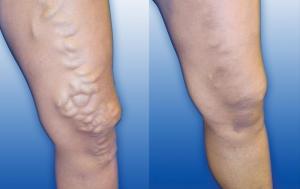
Minimally Invasive Treatments for CVI and Their Benefits
Minimally invasive, outpatient procedures are commonly used to treat chronic venous insufficiency when evaluation confirms that treatment is appropriate and often referred to as the standard for treating CVI. These techniques do not require general anesthesia, stitches, or extended hospital stays. They typically offer a fast recovery, high success rates, and long-term relief from symptoms.
Ultrasound-Guided Sclerotherapy (USGS)
Ultrasound-guided sclerotherapy (USGS) is a treatment used for moderate to severe varicose veins. Ultrasound imaging guides a sclerosant injection into the problem vein, causing it to collapse so blood reroutes through healthy veins nearby.
Most patients experience a shorter recovery period and avoid scarring. Many can return to light activities the same day. Clinical studies indicate success rates typically ranging from 85 percent to 93 percent in experienced hands.
Benefits include:
- Minimally invasive: a non-surgical, walk-in, walk-out outpatient procedure that does not require incisions, stitches, or general anesthesia
- High precision: ultrasound imaging allows treatment of deeper or hidden veins
- Minimal downtime and quick recovery
- Effective at restoring circulation and reducing symptoms
Visual Sclerotherapy
Visual sclerotherapy targets smaller varicose and spider veins near the surface of the skin. A solution is injected directly into the visible vein, causing it to close. Recovery may include mild bruising or swelling, but effects are temporary and usually cause minimal disruption to daily routines. Benefits include:
- Noticeable relief from leg fatigue, cramping, and itching
- May help reduce the progression of vein disease
- Improved comfort, mobility, and appearance
Endovenous Laser Therapy (EVLT)
Endovenous Laser Therapy (EVLT) treats chronic venous insufficiency and larger varicose veins using a thin laser fiber inserted into the vein. Laser energy seals the vein shut. This treatment is performed with local anesthesia, with some minor soreness expected afterward. Benefits include:
- High success rate in closing faulty veins
- Minimal side effects and no scarring
- Less downtime and a reduced risk of DVT compared with traditional vein surgery
- Many patients experience improved symptoms associated with venous reflux
Radiofrequency Ablation (RFA)
Radiofrequency ablation (RFA) gently heats and closes damaged veins using radiofrequency energy delivered through a catheter. This outpatient procedure allows most patients to walk out the same day. Benefits include:
- Targets the underlying cause, not just symptoms
- Quick and generally well tolerated
- Requires only local anesthesia for many patients
- May help reduce heaviness, pain, and swelling in the legs
VenaSeal Closure System
The VenaSeal Closure System seals diseased veins using a medical adhesive delivered through a small catheter. No compression stockings are required for recovery, and most patients resume normal activities quickly. Benefits include:
- No heat or local anesthesia required
- Fast relief with minimal downtime
- Less bruising or discomfort compared to thermal options
- Performed entirely in-office
ClariVein
ClariVein treatment uses an FDA-approved catheter that delivers medication to diseased veins with a tiny rotating wire tip. The procedure typically takes less than 30 minutes and does not require laser heat or anesthesia. Benefits include:
- Minimal discomfort with little to no recovery period
- Reduced bruising compared to thermal treatments
- Quick in-office treatment, often under an hour
- No scarring
Varithena
Varithena treats veins using a microfoam solution. A vein specialist injects the foam into the diseased vein, causing it to collapse and reroute blood flow to healthier veins. The procedure requires no incisions and typically takes less than an hour. Benefits include:
- Minimally invasive, with no need for laser heat or anesthesia
- No downtime, allowing a quick return to normal activity
- Noticeable improvement in vein appearance and discomfort
- FDA-approved
How a Vein Specialist Determines Your Treatment Candidacy
With several effective options available, the right treatment depends on factors specific to your veins and health history. A vein specialist typically starts with a consultation to review your symptoms and medical history, followed by a duplex ultrasound. This imaging test maps blood flow and identifies exactly which veins are affected by reflux.
From there, treatment recommendations generally consider:
- The size and location of the affected veins
- How advanced your symptoms are
- Whether you have a history of blood clots or other vascular conditions
- Your lifestyle, recovery preferences, and treatment goals
Many patients benefit from a combination of treatments rather than a single procedure. This is why a personalized plan from a vein specialist, rather than a generic recommendation, tends to offer the most lasting relief.
At-Home Management and Lifestyle Changes
Alongside medical treatment, healthy lifestyle habits can help maintain results and reduce the likelihood of new symptoms developing. Options for managing venous insufficiency at home include:
- Wearing compression stockings to support circulation
- Elevating your legs above heart level several times a day
- Staying active with walking or low-impact exercise
- Avoiding prolonged standing or sitting
- Maintaining a balanced diet and a healthy weight
These changes can support symptom relief and work well alongside a personalized treatment plan, though they are not a substitute for medical evaluation when symptoms are already present.
When to Seek Venous Insufficiency Treatment
Recognizing when to seek treatment is important for long-term vein health. Early symptoms may seem mild or purely cosmetic, but they can progress if left unaddressed. What starts as occasional leg discomfort or swelling can develop into persistent pain, skin changes, or slow-healing sores.
Consult a vein specialist if you notice any of the following:
- Persistent leg pain, swelling, or heaviness
- Bulging, twisted veins
- Skin discoloration, itchiness, or hardening
- Open sores or ulcers near the ankles
- Blood clots or a history of DVT
The earlier venous insufficiency is evaluated, the more treatment options are typically available, and the better the expected outcome.
Treatment Options
Find the Right Venous Insufficiency Treatment for You
USA Vein Clinics specializes in personalized care for venous insufficiency. Our vein specialists evaluate your symptoms, medical history, and vein health using advanced diagnostic imaging before recommending a treatment path.
With nationwide, minimally invasive, outpatient options and most patients returning to daily activities the same day, effective vein care is more accessible than ever.
Frequently Asked Questions
- American Venous Forum. “Clinical Practice Guidelines for Chronic Venous Disease.” Accessed 2026.
- National Center for Biotechnology Information (NCBI). “Chronic Venous Insufficiency: A Review.” National Institutes of Health.
- Centers for Disease Control and Prevention (CDC). “Venous Thromboembolism Data and Statistics.”
Medical disclaimer: This article provides educational information about vein disease and treatment options. It is not a diagnosis or medical advice. Only a qualified vein specialist can determine whether you have vein disease or recommend appropriate treatment. If you have leg swelling, pain, or other vascular symptoms, consult a healthcare provider or contact USA Vein Clinics for an evaluation.


