
Medically reviewed by
USA Vein Clinics Medical Review Team
Vein Disease Specialists
The main cause of venous ulcers is chronic venous insufficiency (CVI), a condition in which damaged or weakened vein valves allow blood to flow backward and pool in the lower legs. Over time, the built-up pressure damages the surrounding tissue and skin, eventually causing a painful open wound that struggles to heal. This article explains how that process unfolds, who is most at risk, and what can be done to address the underlying cause.
Venous ulcers account for up to 80% of all chronic leg ulcers in the United States, yet they are often misunderstood as simple skin wounds.1 Understanding what causes them is the first step toward finding a treatment approach that actually works.
The Main Cause of Venous Ulcers: Chronic Venous Insufficiency
Chronic venous insufficiency (CVI) is the primary cause of venous ulcers. CVI develops when the one-way valves inside the leg veins stop working as they should.
Healthy vein valves open and close with each step, pushing blood upward toward the heart against the force of gravity. When those valves weaken or become damaged, blood flows backward. It collects in the lower legs and feet instead of continuing its journey to the heart. This creates a condition called venous hypertension, which is abnormally high pressure inside the veins.
Venous hypertension is the direct driver of ulcer formation. Research published in the Journal of Vascular Surgery describes how sustained high venous pressure triggers a chronic inflammatory response in the surrounding tissue. Proteins and red blood cells leak into the tissue through overstressed vein walls. The skin becomes starved of oxygen, inflamed, and increasingly fragile. Eventually, the skin breaks down and an open wound forms.
How Vein Valves Work – and What Happens When They Fail
Each leg vein contains a series of small valves shaped like tiny flaps. In a healthy vein, these flaps snap shut after each heartbeat to prevent blood from sliding back down. The calf muscles also help pump blood upward when you walk.
When vein valves are damaged by injury, deep vein thrombosis, or simply years of strain, the flaps no longer close completely. Blood begins to backflow with every step. Each time this happens, pressure builds a little more in the lower leg veins. Over months and years, that pressure takes a toll on the skin and tissue surrounding the vein.
This process is called venous reflux, and it is the mechanism behind most venous ulcers.2 A consultation with a vein specialist can help determine whether venous reflux is contributing to your symptoms. Learn more about vein disease symptoms to understand what to watch for.
Who Is Most at Risk for Venous Ulcers?
Certain factors make it more likely that venous reflux and venous hypertension will develop. Having more than one of these factors together raises the risk further.
- Age 55 and older – Vein valves lose strength with age, and the risk of venous ulcers rises steadily after 55.
- Obesity – Excess weight places additional pressure on the leg veins, making it harder for blood to return to the heart.
- History of deep vein thrombosis (DVT) – A blood clot in the deep veins can scar or destroy valve function, leading to chronic reflux.
- Family history of vein disease – Weakness in vein walls and valves can run in families.
- Extended periods of sitting or standing – When the legs are still for long periods, the calf muscle pump stops working. Nurses, teachers, office workers, and retail employees face elevated risk.
- Previous leg injury – Trauma to the leg can damage nearby valves and lead to reflux over time.
- Pregnancy – Increased blood volume and pelvic pressure can contribute to vein valve strain, particularly across multiple pregnancies.
People who have already had one venous ulcer are also at higher risk of developing another. Venous ulcers tend to recur in the same location if the underlying vein disease is not addressed.
Warning Signs That a Venous Ulcer May Be Forming
Venous ulcers rarely appear without warning. The skin typically shows signs of stress for weeks or months before an open wound develops.
Early signs to watch for include:
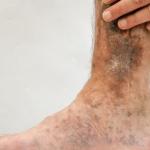
- Skin discoloration near the ankle – A brownish or reddish staining on the lower leg is often the first visible sign. This is called hemosiderin staining and occurs when red blood cells leak into the surrounding tissue. Unlike a bruise, it does not fade on its own.
- Itching, burning, or tightness – The skin may feel uncomfortable or tight near the ankle or lower leg, even when the legs are at rest.
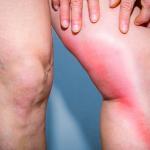
- Swelling that builds through the day – Fluid accumulation in the lower leg worsens with prolonged standing or sitting and may improve overnight.
- Skin hardening – The lower leg may feel firm or leathery as chronic inflammation and fluid buildup damage the tissue. This is called lipodermatosclerosis.
- A recurring rash – A red, scaly rash near the ankles that returns after treatment with topical creams is often linked to the underlying vein problem, not the skin itself.
Recognizing these early signs and seeking evaluation promptly may help prevent an ulcer from forming. For a closer look at how venous stasis ulcers progress, the stages of venous stasis ulcers guide explains each stage and what to expect.
Why Venous Ulcers Are Difficult to Heal
Most wounds heal through a predictable process: the body sends oxygen-rich blood and nutrients to the damaged area, and new tissue forms. Venous ulcers disrupt this process at the source.
Due to the high pressure inside the diseased veins, the tissue surrounding a venous ulcer is chronically starved of oxygen. Blood circulates poorly. The healing signals that the body sends cannot reach the wound effectively. This is why a venous ulcer may sit open for weeks, months, or even longer without closing.
Applying topical creams or bandages addresses only the surface wound. Without reducing the venous pressure that caused the ulcer, the wound environment continues to work against healing. And once an ulcer has healed, the risk of it reopening in the same location remains high until the underlying vein disease is treated.
Prompt evaluation by a vein specialist is important. We strongly encourage you to seek medical guidance rather than to try and self remedy. Untreated venous ulcers can become infected and lead to serious complications. Understanding chronic venous insufficiency and how it progresses can help patients make informed decisions about care.
Learn About Your Options
See All Vein Treatment Options
Minimally invasive procedures address the underlying cause of venous ulcers, not just the wound surface. Learn what options may be available for your condition.
How Treating the Underlying Vein Disease Can Help
Since venous hypertension is the primary mechanism behind venous ulcer formation, treatments that reduce pressure inside the diseased veins may help improve the healing environment.
Minimally invasive vein treatments work by closing off the damaged, refluxing vein so that blood reroutes through healthier veins. This reduces the venous pressure that has been building up in the lower leg. When performed alongside appropriate wound care, vein treatment may help reduce pain and swelling, support healing, and lower the risk of the ulcer returning.
USA Vein Clinics offers the following minimally invasive, outpatient procedures for appropriate candidates:
- EVLT (Endovenous Laser Therapy) – Uses laser energy to close the damaged vein from the inside.
- RFA (Radiofrequency Ablation) – Uses controlled heat via radiofrequency energy to seal the refluxing vein.
- ClariVein® – Uses a rotating catheter to deliver medication into damaged veins.
- VenaSeal™ – A medical adhesive is used to close the damaged vein.
- Varithena – A microfoam solution is injected to collapse and seal damaged veins.
- Sclerotherapy – A solution is injected to close smaller damaged veins.
None of these procedures require general anesthesia, a hospital stay, or extended recovery time. A vein specialist evaluates each patient individually to determine which approach, if any, may be appropriate for their condition. Not all patients with venous ulcers will be candidates for the same treatment.
For a full overview of these options, see the venous ulcer treatment options page or learn about minimally invasive vein treatments and how they work.
Frequently Asked Questions About Venous Ulcers
What is the main cause of venous ulcers?
Can varicose veins cause venous ulcers?
Why won’t my venous ulcer heal?
What does a venous ulcer look like in the early stages?
Are venous ulcers serious?
How long does a venous ulcer take to heal?
Can venous ulcers be treated without surgery?
When should I see a vein specialist about a leg ulcer?
Understand Your Vein Health
Take Our Free Vein Symptom Quiz
Not sure if your leg symptoms are related to vein disease? Our quick symptom quiz can help you understand your risk and whether a vein evaluation may be right for you.
Or call us at 888-768-3467 to speak with a care coordinator.
References
- Attaran, R.R., and Ochoa Chaar, C.I. “Venous Ulcers: Diagnosis and Treatment.” American Family Physician, vol. 100, no. 5, Sept. 2019, pp. 298-305. https://www.aafp.org/pubs/afp/issues/2019/0901/p298.html
- Robles-Tenorio, Arturo, and Jorge Ocampo-Candiani. “Venous Leg Ulcer.” StatPearls, StatPearls Publishing, 2022. https://www.ncbi.nlm.nih.gov/books/NBK567802/
- Raffetto, J.D., and Khalil, R.A. “Mechanisms of Varicose Vein Formation: Valve Dysfunction and Wall Dilation.” Phlebology, vol. 23, no. 2, 2008, pp. 85-98.
Medical Disclaimer: This article provides educational information about vein disease and treatment options. It is not a diagnosis or medical advice. Only a qualified vein specialist can determine whether you have vein disease or recommend appropriate treatment. If you have leg swelling, pain, or other vascular symptoms, consult a healthcare provider or contact USA Vein Clinics for an evaluation.