
VenaSeal™ is not the same as non-thermal ablation. This procedure is one specific type of non-thermal vein treatment that closes diseased veins without using heat.
If you’re researching varicose vein treatment options or trying to decide which minimally invasive procedure may be right for you, this overview can help clarify your options and what each approach involves.
What Is VenaSeal™?
VenaSeal™ is a minimally invasive treatment used for venous reflux and varicose veins. It uses a medical-grade adhesive to close diseased veins.
Key Characteristics
- No heat involved
- No multiple needle injections for anesthesia
- Typically no compression stockings required afterward (case-dependent)
- Performed in an outpatient setting
How VenaSeal™ Works
- A thin catheter is guided into the diseased vein
- A small amount of medical adhesive is delivered
- The vein is sealed closed
- Blood flow redirects to healthier nearby veins
Potential Benefits of VenaSeal™
- No heat-based energy is used
- Typically requires fewer numbing injections
- Performed as an outpatient procedure
- Many patients are able to return to normal activities quickly
Other Types of Non-Thermal Ablation
To fully understand VenaSeal, it helps to see what else falls into the same category.
ClariVein (Mechanochemical Ablation)
- Uses a small rotating catheter + medication
- Physically disrupts the vein while delivering a solution
- No heat involved
Varithena (Foam Sclerotherapy)
- Uses a specialized foam to collapse the vein
- Often used for more complex vein patterns
- Also non-thermal
What “Non-Thermal Ablation” Actually Means
Non-thermal ablation is not one procedure—it’s a group of minimally invasive vein treatments designed to treat chronic venous insufficiency and varicose veins without heat-based energy.
Why “non-thermal” matters
Traditional treatments like laser or radiofrequency use heat to seal veins. Non-thermal approaches avoid that entirely.
Instead, they rely on:
- Adhesives (like VenaSeal)
- Chemical solutions (like foam sclerotherapy)
- Mechanical + chemical combinations (like ClariVein)
What all non-thermal treatments have in common
- Target diseased veins causing symptoms
- Redirect blood flow to healthier veins
- Performed in an outpatient setting
- Designed to minimize downtime
What Is the Difference Between VenaSeal™ and Non-Thermal Ablation?
Non-thermal ablation is a category of minimally invasive vein treatments that close diseased veins without using heat.
VenaSeal™ is one treatment within that category. It uses a medical adhesive to seal the affected vein, allowing blood to reroute through healthier veins.
All VenaSeal™ procedures are non-thermal ablation, but not all non-thermal ablation treatments are VenaSeal™.
VenaSeal vs. Non-Thermal Ablation
In simple terms:
- Non-thermal ablation = category
- VenaSeal = one option inside that category
Visual Breakdown:
| Feature | Non-Thermal Ablation | VenaSeal |
|---|---|---|
| Type | Category of treatments | Specific procedure |
| Techniques included | Adhesive, foam, mechanical | Adhesive only |
| Purpose | Close diseased veins | Same purpose |
| Flexibility | Multiple options | Single method |
Which Vein Treatment Option Is Right for You?
The best vein treatment depends on:
- Vein size and location
- Severity of chronic venous insufficiency
- Ultrasound findings
- Your medical history
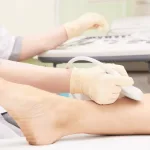
A vein specialist uses imaging (usually ultrasound) to determine the most appropriate option after confirming a vein disease diagnosis—not all patients are candidates for every procedure.
If you are deciding between heat-based and non-thermal treatments, compare VenaSeal™ vs. radiofrequency ablation (RFA) to understand how the procedures differ, what recovery is like, and which option may be recommended for your vein condition.
Find Out If VenaSeal™ Is Right for You
Our vein specialists provide personalized evaluations and minimally invasive treatment options.
Take the Next Step Toward Healthier Legs
Understanding your options is the first step towards relief. . A vein specialist can help determine the right treatment for you.