

Medically reviewed by
USA Vein Clinics Medical Review Team
Vascular Specialists Focused on CVI Reviewed: November 2026
Varicose veins and deep vein thrombosis (DVT) are both vein conditions that can cause leg discomfort, but they are not the same condition, and the distinction matters significantly for your health. Varicose veins form in the veins near the skin’s surface when weakened valves allow blood to pool and veins to bulge. Deep vein thrombosis involves a blood clot forming in one of the deeper veins inside the leg, a situation that can become life-threatening if the clot travels to the lungs. Because symptoms can overlap and both conditions involve the legs, knowing which condition you are dealing with and when each requires immediate medical attention is essential for taking the right next step.
What Are Varicose Veins?
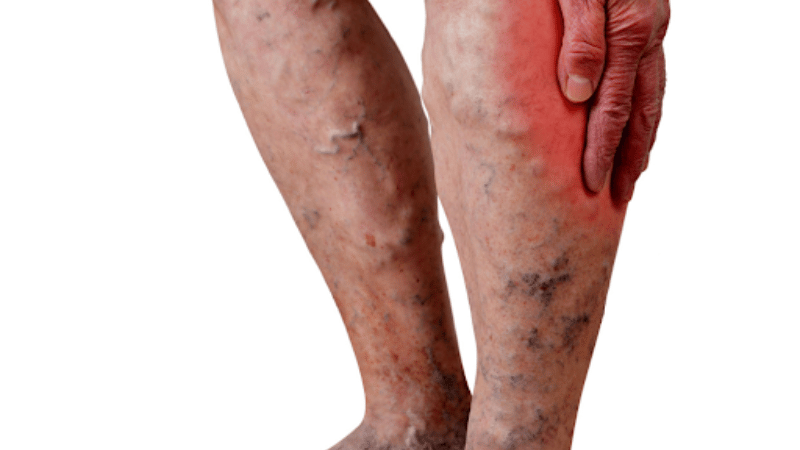
Varicose veins develop when the one-way valves inside the leg veins weaken and fail. Blood that should flow up toward the heart flows backward instead, pooling in the vein and causing it to stretch, bulge, and become visible beneath the skin. This underlying process is known as chronic venous insufficiency (CVI), and varicose veins are one of its most visible symptoms.
Varicose veins are common and affect millions of adults in the United States. They are a medical condition, not purely a cosmetic concern, because they indicate underlying vein disease that can progress over time if left unaddressed.
Common Symptoms and Signs
Varicose veins most commonly appear on the legs and ankles and are associated with symptoms that tend to worsen after long periods of standing or sitting:
- Enlarged, twisted, blue or purple veins visible just beneath the skin surface
- Leg aching, heaviness, or fatigue that worsens by the end of the day
- Itching or burning sensation along the vein
- Leg swelling around the ankle and calf
- Skin discoloration or texture changes around the affected vein
Symptoms tend to develop gradually and may worsen over time without treatment. For a full overview of varicose vein symptoms, a specialist evaluation can help determine whether treatment is appropriate.
Who Develops Varicose Veins?
Several factors increase the likelihood of developing varicose veins, including age, pregnancy, prolonged standing or sitting, family history of vein disease, and obesity. Vein disease is progressive, meaning symptoms that begin as mild aching can advance to significant swelling, skin changes, or venous ulcers without treatment.
What Is Deep Vein Thrombosis?
Deep vein thrombosis (DVT) occurs when a blood clot forms inside one of the deep veins, most commonly in the lower leg, thigh, or pelvis. Unlike varicose veins, which are visible through the skin, DVT forms deep within the leg’s muscular tissue and may not produce visible changes on the surface.
DVT is a significantly more serious condition than varicose veins. A clot that forms in a deep vein can break away from its original location, travel through the bloodstream, and lodge in the lungs. This complication, called a pulmonary embolism (PE), is a medical emergency and can be life-threatening. If DVT is suspected, seek emergency medical evaluation immediately.
Symptoms and Warning Signs of DVT
DVT symptoms tend to come on more suddenly than varicose vein symptoms and may include:
- Sudden swelling in one leg, typically the lower leg or entire leg below the knee
- Deep, cramping, or throbbing pain in the calf or thigh that does not improve with rest
- Warmth and redness over the affected area of the leg
- Skin discoloration, appearing red, blue, or purple over the deep vein location
Up to 50% of people with DVT may not experience noticeable symptoms, which makes the condition particularly dangerous.[1] Any unexplained, sudden one-sided leg swelling should be evaluated immediately.
Risk Factors for DVT
DVT risk increases significantly with prolonged immobility, recent surgery or injury, pregnancy, certain medications, smoking, obesity, and inherited clotting disorders. Venous thromboembolism, the category that includes DVT and pulmonary embolism, may affect as many as 900,000 Americans each year.[2] Having more than one risk factor compounds the likelihood of developing a clot.
Varicose Veins vs. DVT: Key Differences at a Glance
The core differences between these two conditions come down to location, visibility, and urgency:
- Location: Varicose veins form in superficial (near-surface) veins. DVT forms in deep veins inside leg muscles.
- Visibility: Varicose veins are visible as bulging veins under the skin. DVT is usually not visible from outside the body.
- Cause: Varicose veins result from weakened vein valves and venous reflux. DVT is caused by a blood clot in a deep vein.
- Onset: Varicose veins develop gradually over months or years. DVT often appears suddenly.
- Pain type: Varicose veins cause aching, heaviness, and itching. DVT causes deep cramping and tenderness.
- Emergency level: Varicose veins warrant a specialist evaluation, not emergency care. DVT requires immediate emergency evaluation.
- Potential complication: Varicose veins may lead to discomfort, skin ulcers, or elevated clot risk over time. DVT can cause pulmonary embolism, which may be life-threatening.
Can Varicose Veins Cause Deep Vein Thrombosis?
Varicose veins do not directly turn into DVT, but they can raise your risk. Research found that adults with varicose veins had a significantly higher risk of developing DVT compared to adults without varicose veins.[3] The connection runs through a process called venous stasis: when blood pools in the legs due to damaged vein valves, sluggish circulation creates conditions in which clots are more likely to form.
Understanding varicose veins and blood clot risk starts with recognizing the full picture: most people with varicose veins will never develop DVT, but the risk is real, it rises with additional risk factors, and varicose veins should be treated as a medical condition rather than a purely cosmetic one.
The Role of Venous Stasis in Clot Risk
When vein valves fail and blood pools in the legs, blood flow slows. This venous stasis creates conditions that may contribute to clot formation, even in people who do not have other classic DVT risk factors. The risk is compounded when vein disease is advanced, left untreated, or combined with factors such as prolonged immobility, recent surgery, or pregnancy.
Superficial Thrombophlebitis – The Risk Bridge
Superficial thrombophlebitis occurs when a blood clot forms inside a varicose vein near the skin surface. It often causes redness, warmth, and tenderness along the vein, as well as a firm, cord-like feeling. While less dangerous than DVT, it should not be ignored. In some cases, the clot can extend toward the deeper venous system, increasing DVT risk. A vein specialist can use duplex ultrasound to determine the clot’s location and confirm it has not reached the deep veins.
How Is Each Condition Diagnosed?
Accurate diagnosis requires imaging, not symptom matching alone. Because several conditions can cause leg pain and swelling, a clinical evaluation with ultrasound is the only reliable way to distinguish varicose veins from DVT.
For varicose veins, a duplex ultrasound maps the superficial venous system, identifies damaged valves, and measures the degree of venous reflux. This painless, non-invasive study is performed in a vein specialist’s outpatient setting and takes 15 to 20 minutes.
For DVT, ultrasound is used differently. It assesses whether blood is moving normally through the deep veins and whether a clot is present. A D-dimer blood test may also be used to help rule out active clotting. DVT evaluation is typically performed in an emergency or urgent care setting, particularly when symptoms are sudden.[4]
When to Seek Emergency Care vs. a Vein Specialist
This is one of the most important distinctions patients need to understand, because the right next step depends entirely on what is driving your symptoms.
Seek emergency care immediately if you experience:
- Sudden swelling in one leg that appears quickly and without obvious cause
- Deep, cramping leg pain that does not improve with rest or elevation
- Warmth and redness over the leg, especially paired with shortness of breath, chest pain, or rapid heartbeat
- Any possible symptoms of pulmonary embolism, including shortness of breath, chest pain, dizziness, or coughing up blood. Call 911 immediately.
Schedule a vein specialist evaluation if you experience:
- Visible bulging, twisted, or rope-like veins on the legs
- Leg heaviness, aching, or fatigue that worsens at the end of the day
- Leg swelling that develops gradually and tends to improve with elevation
- Skin discoloration or changes around the ankle or lower leg that have developed over time
- A recent diagnosis of varicose veins and concern about clot risk
If you are unsure whether your symptoms point to varicose veins or something more urgent, the safest approach is same-day medical evaluation. A vein specialist can also assess whether your underlying vein disease is placing you at higher risk and what, if anything, should be done.
Treating Varicose Veins to Support Vein Health
When DVT is not present and symptoms point to underlying vein disease, treating varicose veins is both a symptom management strategy and a preventive one. Minimally invasive varicose vein treatment options at USA Vein Clinics address the damaged veins directly, closing them so blood reroutes through healthier veins nearby.
Our vein specialists offer several outpatient, image-guided treatment options:
- Endovenous Laser Therapy (EVLT) – uses laser energy to close the affected vein
- Radiofrequency Ablation (RFA) – uses radiofrequency energy to seal the vein
- VenaSeal – uses a medical adhesive to close the vein without heat
- Varithena – a microfoam injectable that closes the vein from the inside
- Ultrasound-Guided Sclerotherapy – injects a solution that causes the vein to close
These procedures are performed in an outpatient setting, typically take 30 to 60 minutes, and involve minimal recovery time. For patients with symptomatic varicose veins and elevated DVT risk factors, addressing the underlying vein disease may be part of a broader strategy for protecting long-term vein health. For more on can varicose veins turn into DVT, understanding the risk connection may help inform your decision to pursue treatment.
Vein Care Options
Know Your Symptoms. Find the Right Care.
Varicose veins and deep vein thrombosis both affect your legs, but they require very different levels of care. DVT is a medical emergency. Varicose veins are a treatable vein condition.
If you have been living with leg aching, visible veins, or swelling that worsens by the end of the day, a vein specialist evaluation is a straightforward next step. USA Vein Clinics offers minimally invasive, outpatient vein treatments at locations nationwide.
FAQs About Varicose Veins and Deep Vein Thrombosis
- McLendon K, Goyal A, Attia A. Deep Venous Thrombosis Risk Factors. StatPearls. National Library of Medicine. Updated 2024.
- Centers for Disease Control and Prevention. Data and Statistics on Venous Thromboembolism. cdc.gov. Accessed November 2026.
- Huang YA, Wang WC, Yeh WC, et al. Association of varicose veins with incidental venous thromboembolism and atherosclerotic diseases. JAMA. 2018;319(8):807-817.
- Cleveland Clinic. Deep Vein Thrombosis (DVT). my.clevelandclinic.org/health/diseases/4832-deep-vein-thrombosis. Accessed November 2026.
Medical disclaimer: This article provides educational information about vein disease and treatment options. It is not a diagnosis or medical advice. Only a qualified vein specialist can determine whether you have vein disease or recommend appropriate treatment. If you have leg swelling, pain, or other vascular symptoms, consult a healthcare provider or contact USA Vein Clinics for an evaluation.


