Medically reviewed by
USA Vein Clinics Medical Review Team
Vascular Surgeons and Vein Specialists
Reviewed: July 2026
Chronic venous insufficiency (CVI) moves through six recognized stages, from small spider veins to open venous ulcers. Knowing your stage can help you understand how soon treatment may help.
Vein specialists use a staging system called the CEAP classification to track this progress, starting with the first faint veins you might notice in the mirror and ending with more advanced skin and circulation changes. This guide breaks down each stage of chronic venous insufficiency in plain language, covers what tends to happen without treatment, and outlines the minimally invasive options available today. We see many patients who are unsure how serious their vein changes really are, and knowing where you fall on this scale is often the first step toward relief.
What Is Chronic Venous Insufficiency?
Chronic venous insufficiency happens when the valves inside your leg veins weaken and stop closing properly. Blood then flows backward and pools in the lower legs instead of returning to the heart. This backward flow is called venous reflux, and it raises pressure inside the veins over time, contributing to the visible changes that define each CVI stage.[1]
The underlying valve damage does not reverse on its own, so CVI is considered a progressive condition. Its pace can vary from person to person, depending on factors like age, prolonged standing, pregnancy, or a history of blood clots. This progression is categorized into six distinct stages, known medically as the CEAP classification.
The 6 Stages of Chronic Venous Insufficiency (CEAP Classification)
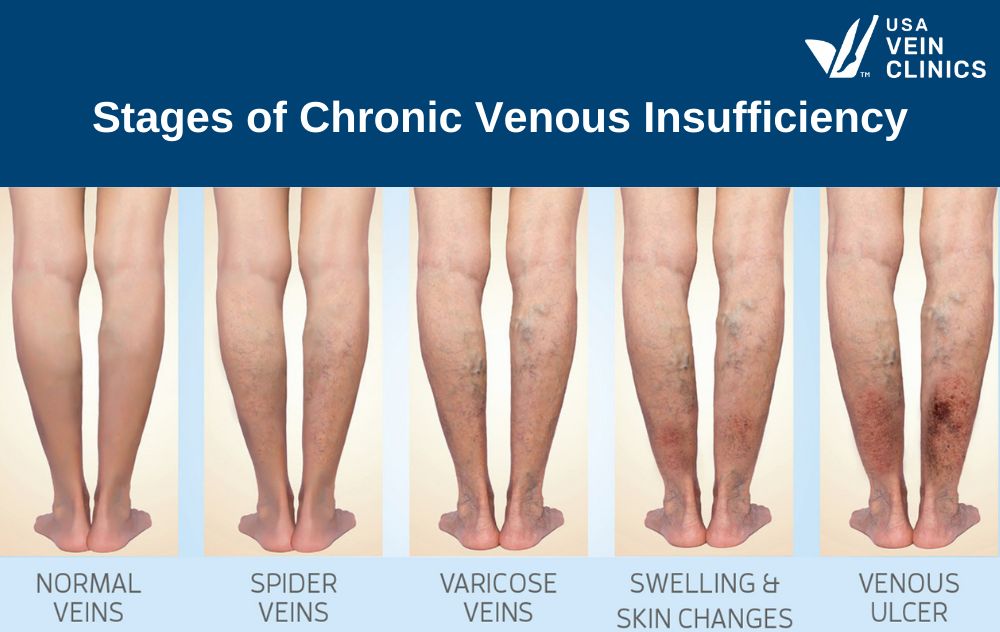
Vein specialists commonly use the CEAP classification, developed by the American Venous Forum, to describe how venous disease progresses from no visible signs (C0) to active venous ulcers (C6).[2] The stages below explain the clinical part of that system in plain terms.
Stage 1: Spider Veins and Reticular Veins
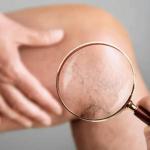
The earliest visible sign is often a network of small spider veins or slightly larger reticular veins near the skin’s surface. Some people notice mild achiness or heaviness in the legs at this stage, especially after standing for a while, though many people have no symptoms at all.
Stage 2: Varicose Veins
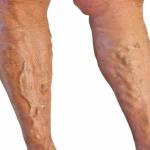
As venous reflux progresses, veins can enlarge into varicose veins, bulging, twisted veins measuring three millimeters or wider. Leg heaviness, itching, and mild swelling by day’s end are common at this stage, and varicose veins are often the point where patients first seek an evaluation.
Stage 3: Leg Swelling (Edema)
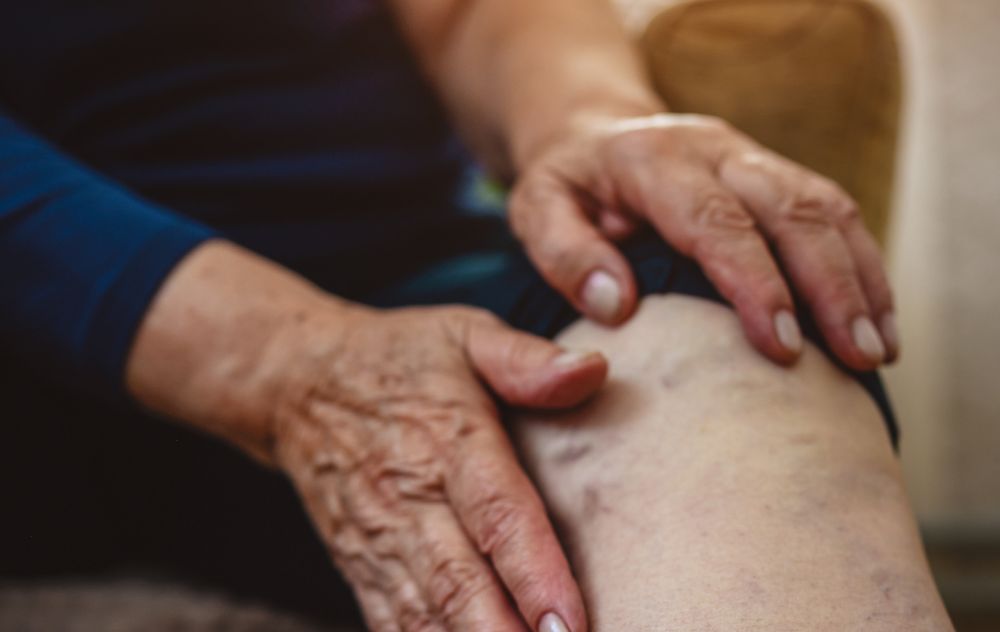
Edema develops when fluid builds up in the lower legs and ankles from ongoing pressure in the veins. Swelling is often worse after standing or sitting for long stretches, and may improve somewhat overnight, but it tends to return the next day without treatment.
Stage 4: Skin Changes
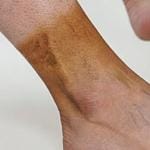
Prolonged venous pressure can begin to affect the skin itself. This can lead to discoloration, often a reddish-brown tint from pooled blood, along with thickened or leathery texture and dryness or itching known as venous stasis dermatitis. These skin changes signal that circulation has been under stress for some time.
Stage 5: Healed Venous Ulcer
At this stage, a patient has developed and healed at least one venous ulcer, an open sore usually near the ankle caused by long-term pressure and poor circulation. A healed ulcer can still leave the skin fragile and prone to recurrence if the underlying vein disease is not addressed.
Stage 6: Active Venous Ulcer
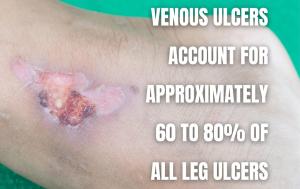
The most advanced stage involves an open, active venous ulcer that has not yet healed. These wounds can be slow to close, may become painful or infected, and often need both wound care and treatment of the underlying vein disease to fully resolve.[3]
Chronic Venous insuffiency stages & Diagnosis
Not Sure Which CVI Stage Applies to You?
Spider veins, swelling, and skin changes can look similar from stage to stage, and it is not always obvious how serious your symptoms are. A proper diagnosis by a skilled medical professional can help you understand what is going on with your veins.
How Is Chronic Venous Insufficiency Diagnosed?
A vein specialist typically starts with a physical exam, looking for visible veins, skin changes, and swelling patterns. A chronic venous insufficiency test usually includes a duplex ultrasound, a painless imaging test that uses sound waves to check blood flow in the leg veins and pinpoint where valve function has broken down.[4]
Many providers consider a CVI diagnosis appropriate once symptoms reach stage 2 or beyond, since varicose veins and swelling suggest measurable reflux rather than a purely cosmetic concern.
What Increases Your Risk of Chronic Venous Insufficiency?
Several factors are associated with a higher likelihood of developing venous insufficiency, including:
- Age over 50, since vein walls naturally lose elasticity over time
- A family history of varicose veins or vein disease
- Pregnancy, due to increased pelvic and leg vein pressure
- Jobs or routines involving prolonged standing or sitting
- A personal history of deep vein thrombosis (DVT)
- Excess body weight, which adds pressure to leg veins
If you have several of these risk factors or are experiencing early symptoms, understanding whether you should be worried about chronic venous insufficiency can help you recognize when it’s time to seek evaluation and treatment.
Having one or more of these risk factors does not guarantee you will develop CVI, but it may be worth discussing your vein health with a specialist if you notice early symptoms.
Treatment Options for Chronic Venous Insufficiency
Waiting to see whether early symptoms fade on their own is a common instinct, and compression stockings or leg elevation can offer some temporary relief. However, these measures do not correct the underlying valve damage causing the reflux, so symptoms often continue to progress over time.[5]
Minimally invasive, image-guided procedures are designed to close off the damaged vein so blood reroutes through healthier vessels nearby, without traditional surgery or a lengthy recovery. Depending on your stage and pattern of vein disease, a specialist may recommend endovenous laser treatment (EVLT), radiofrequency ablation (RFA), or another outpatient option suited to your anatomy. These procedures are typically done in-office, and most patients resume normal activity the same day.
Why Early Evaluation Matters for CVI
Chronic venous insufficiency tends to move in one direction without treatment. Catching it early, such as when spider veins or mild varicose veins first appear, generally means simpler treatment and a lower risk of complications like venous ulcers. If you are already noticing leg swelling or skin changes, that is a reasonable signal to schedule an evaluation rather than wait. For a closer look at how ulcers progress once vein disease reaches that point, our guide on venous stasis ulcer stages covers that in more depth.
Knowing which stage best describes your legs today can help you and a vein specialist decide on next steps, whether that means monitoring, conservative care, or a minimally invasive procedure.
Next Step
Find Out Which Chronic Venous Insufficiency Stage Applies to You
Whether you are noticing your first spider veins or dealing with more advanced symptoms like swelling or skin changes, a vein specialist can help you understand exactly where you stand.
USA Vein Clinics has locations across the country staffed by specialists who evaluate and treat every stage of venous insufficiency.
Frequently Asked Questions
- Eklof B, Rutherford RB, Bergan JJ, et al. “Revision of the CEAP Classification for Chronic Venous Disorders: Consensus Statement.” Journal of Vascular Surgery, 2004.
- Lurie F, Passman M, Meisner M, et al. “The 2020 Update of the CEAP Classification System and Reporting Standards.” Journal of Vascular Surgery: Venous and Lymphatic Disorders, 2020.
- Zegarra TI, Tadi P. “CEAP Classification of Venous Disorders.” StatPearls, National Center for Biotechnology Information, National Library of Medicine.
- Patel SK, Surowiec SM. “Venous Insufficiency.” StatPearls, National Center for Biotechnology Information, National Library of Medicine, 2024.
- American Venous Forum. “What Is Chronic Venous Disease?” venousforum.org.
Medical disclaimer: This article provides educational information about vein disease and treatment options. It is not a diagnosis or medical advice. Only a qualified vein specialist can determine whether you have vein disease or recommend appropriate treatment. If you have leg swelling, pain, or other vascular symptoms, consult a healthcare provider or contact USA Vein Clinics for an evaluation.