
Medically reviewed by
USA Vein Clinics Medical Review Team
Vascular Surgeons and Vein Specialists
Reviewed: September 2026
Phlebitis means a vein is swollen and irritated, most often in the veins just beneath the skin. It shares some symptoms with deep vein thrombosis, or DVT, like redness, warmth, and pain. But the two conditions are different in where they happen and how serious they are. Phlebitis usually stays close to the surface and gets better with simple care. DVT involves a clot in the larger, deeper veins of the leg, and it carries a much higher risk. Knowing the difference can help you get the right care faster.
What Is Phlebitis?
Phlebitis is the medical term for a swollen, irritated vein. It can make the vein feel tender and turn red or warm to the touch, most often in the legs. Flebitis is a common misspelling of the same word, so if you searched either spelling, you found the right condition.
Phlebitis usually falls into two groups:
- Superficial phlebitis affects veins close to the skin. Usually mild and goes away on its own.
- Deep vein thrombosis (DVT) affects larger, deeper veins inside the leg. Carries a higher risk because a clot can break loose and travel to the lungs.
What Are the Four Signs of Phlebitis?
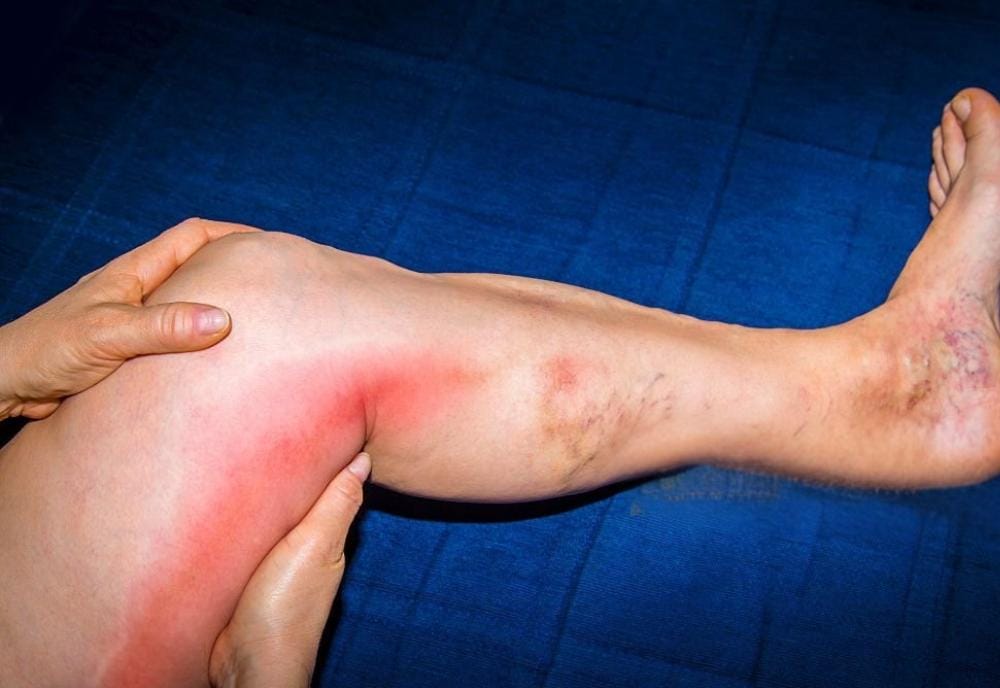
The four most common signs of phlebitis are:
- A hard, red streak or cord under the skin along the path of the vein
- Swelling or a bumpy feel directly over the vein
- Skin that looks shiny, discolored, or warm to the touch
- Pain or tenderness that gets worse when you put weight on the leg
If your leg matches this description, your veins may need a closer look from a vein specialist.
What Causes Phlebitis?
Phlebitis happens when a vein gets irritated or damaged. Common causes include:
- An injury to the vein, often from a medical procedure like an IV line or blood draw
- Sitting still for a long time, such as on a flight or in bed after surgery
- Weak vein valves, a condition called chronic venous insufficiency (CVI), which lets blood pool in the legs
- Blood clotting disorders, genetics, or certain medications that raise clotting risk
If any of these risk factors sound familiar, our quick symptom quiz can help you decide if it is time to see a vein specialist.
Phlebitis vs. Thrombophlebitis vs. DVT
These terms get mixed up a lot, but the difference comes down to how deep the vein is, whether a clot is present, and how serious the risk is.
Phlebitis is swelling of the vein wall. It causes warmth, redness, and tenderness, and it can happen with or without a blood clot. When a clot does cause the inflammation in a surface vein, it is called superficial thrombophlebitis. This often feels like a firm, tender cord under the skin. Surface veins carry a lower risk, so this usually gets better with simple care like warm compresses, elevation, and anti-inflammatory medication.
Deep vein thrombosis, or DVT, is a clot in the larger veins deep inside the muscle. DVT often causes more severe swelling, deep aching, and skin discoloration. Unlike a surface clot, a deep clot can break free and travel to the lungs. This causes a life-threatening condition called pulmonary embolism. Because of this risk, DVT needs immediate medical evaluation.
How Long Does Phlebitis Last?
Most cases of superficial phlebitis start feeling better within a few days to a week. The heat, redness, and tenderness ease first. The vein itself can stay firm or cord-like for several weeks while it heals, and skin discoloration can take a month or more to fade. If your symptoms do not improve after a week, or if swelling and pain suddenly get worse, that can be a sign of a deeper problem worth checking.
What Is the Main Risk of Phlebitis?
The main risk of phlebitis is not the surface swelling itself. It is mistaking a deeper, more dangerous clot for a minor skin irritation. Both issues can start with similar leg discomfort, so serious symptoms are easy to miss. If a clot forms in a deep vein, it can break loose and travel to the lungs. Get emergency care right away if leg pain comes with sudden, severe swelling, chest tightness, or trouble breathing.
What Is the Best Way to Get Rid of Phlebitis?
For mild superficial phlebitis, home care can ease the discomfort:
- Apply warm compresses to the area for 15 to 20 minutes a few times a day
- Raise the leg above heart level to reduce swelling
- Take an over-the-counter anti-inflammatory medication if it is right for you
Home care can help you feel better, but if phlebitis keeps coming back, it may point to an underlying problem with the vein valves called venous insufficiency. A vein specialist can check whether a minimally invasive vein treatment may help address the source of the issue.
When to See a Vein Specialist
Consider scheduling an evaluation if you notice:
- Symptoms that do not improve, or that get worse, after a few days of home care
- More swelling, redness, or pain spreading up the leg
- A hard, painful lump near the groin or knee
- Any of the emergency warning signs above
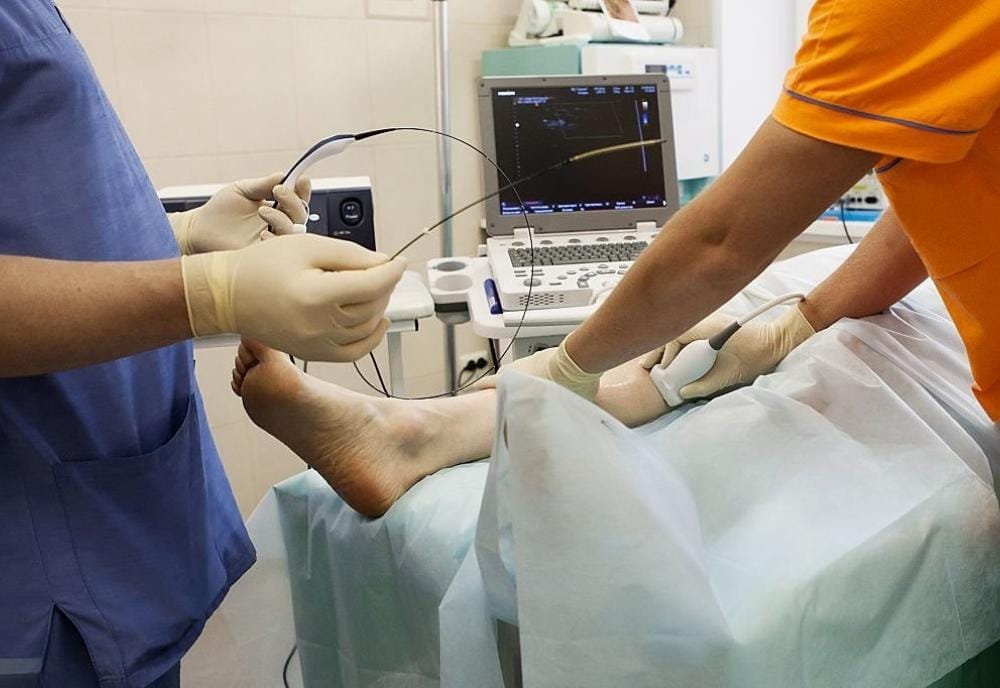
A vein specialist can use a duplex ultrasound to check your veins, rule out a deeper clot, and talk through options that fit your situation.
Next step
Get Answers About Your Vein Health
A tender, warm, or swollen vein is worth a closer look, whether the cause turns out to be mild or something that needs more attention. USA Vein Clinics offers vein screenings that use non-invasive ultrasound to check for underlying venous reflux or a hidden clot.
Our vein specialists can help you understand what is happening beneath the skin. If an underlying vein issue is contributing to your symptoms, they can talk through minimally invasive options with you.
Frequently Asked Questions
- Centers for Disease Control and Prevention. Venous Thromboembolism (Blood Clots): Data and Statistics.
- Mayo Clinic. Thrombophlebitis: Symptoms and Causes.
- Cleveland Clinic. Thrombophlebitis: Causes, Symptoms and Treatment.
Medical disclaimer: This article provides educational information about vein disease and treatment options. It is not a diagnosis or medical advice. Only a qualified vein specialist can determine whether you have vein disease or recommend appropriate treatment. If you have leg swelling, pain, or other vascular symptoms, consult a healthcare provider or contact USA Vein Clinics for an evaluation.