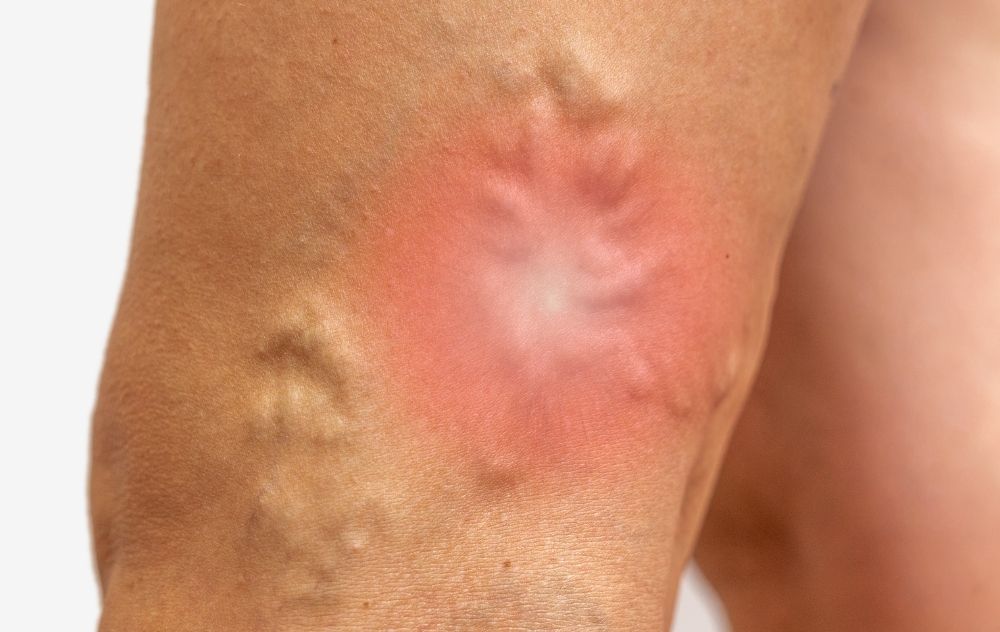
Varicose veins often develop slowly and may not cause discomfort at first. But for many people, there comes a point when the veins begin to burn, itch, or feel warm, which can be both uncomfortable and worrying.
Patients frequently ask whether this sensation is normal or a sign that something more serious is happening. In most cases, burning varicose veins are linked to underlying vein disease, particularly chronic venous insufficiency (CVI), where blood does not flow efficiently back to the heart.
Is Burning in Varicose Veins Normal or a Warning Sign?
A mild burning sensation can sometimes occur after long periods of standing, exercise, or exposure to heat. However, burning that is persistent, worsening, or accompanied by other symptoms should not be ignored.
Burning often means that pressure is building inside damaged veins. When vein valves weaken, blood can flow backward and pool in the legs—a process known as venous reflux. Over time, this increased pressure irritates nearby tissues and nerves, leading to sensations such as burning, itching, or warmth.
What Burning Varicose Veins Usually Mean
In clinical practice, burning varicose veins most often indicate circulation problems in the superficial veins. As pressure rises inside these veins, fluid can leak into surrounding tissue, causing inflammation and skin irritation.
Burning sensations commonly occur alongside:
- Leg swelling
- Heaviness or aching
- Fatigue in the legs
- Restless legs at night
These symptoms are classic signs of chronic venous insufficiency, one of the most common forms of vein disease treated by specialists.
Symptom Assessment
Are Your Vein Symptoms Progressing?
Burning, aching, and swelling are clear signals from your circulatory system. Take our quick symptom quiz to understand your symptoms better.
Causes and Risk Factors for Burning Varicose Veins
Several factors contribute to burning sensations in varicose veins, including:
- Increased pressure inside damaged veins
- Inflammation of vein walls
- Irritation of nearby nerves
- Poor circulation and blood pooling
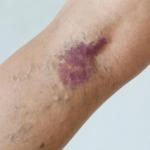
Certain conditions may also cause burning or warmth in the legs, such as varicose eczema or superficial thrombophlebitis (a localized blood clot near the skin surface causing inflammation), both of which stem from impaired vein function.
Risk factors that increase the likelihood of developing burning varicose veins include:
- Age: Natural loss of vein elasticity over time
- Family History: Genetic predisposition to vein disease
- Prolonged Standing or Sitting: Workplace or daily routines that impede flow
- Sedentary Lifestyle: Lack of regular calf muscle movement
- Obesity: Added strain and pressure on lower extremity veins
- Pregnancy: Increased blood volume and pelvic pressure
- Chronic Health Conditions: Vascular comorbidities such as diabetes
When Burning Veins May Signal Something More Serious
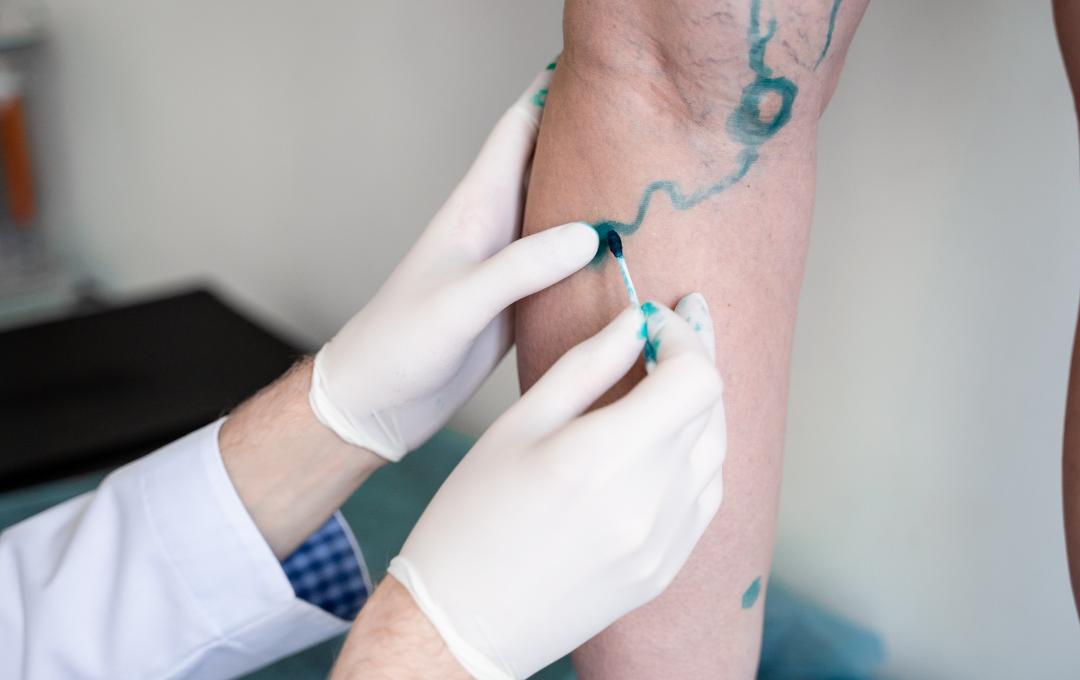
Although burning is often related to superficial vein disease, sudden burning or warmth in one leg may signal a more serious condition such as deep vein thrombosis (DVT).
DVT occurs when a blood clot forms in a deep vein and may present with:
- Swelling in one leg
- Redness or discoloration
- Tenderness or acute pain
- Noticeable warmth over the affected area
Medical Emergency Notice: If a clot travels to the lungs, it can cause a pulmonary embolism (PE). Seek emergency care immediately if burning leg symptoms are accompanied by sudden shortness of breath, chest pain, dizziness, or rapid heart rate.
Diagnostic Symptom Comparison: Causes of Leg Burning
| Condition | Type of Pain | Key Symptoms | Skin Appearance | Urgency Level |
|---|---|---|---|---|
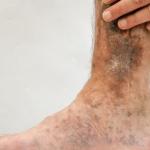
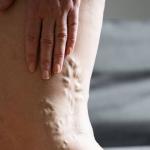
| CVI (Chronic Venous Insufficiency) | Burning, aching, heaviness; worsens through the day | Swelling, fatigue, varicose veins, nighttime cramping | Dry, itchy skin; darkening around ankles; bulging veins | Medical evaluation recommended, non-emergency |
| DVT (Deep Vein Thrombosis) | Burning with sudden warmth or tightness in one leg | Sudden unilateral swelling, localized tenderness | Skin may appear red, hot, swollen, or tight | Emergency — requires immediate care |
| Cellulitis | Burning or stinging sensation; acute tenderness | Fever, chills, fatigue, rapid onset | Red, warm, swollen skin with sharp borders | Urgent medical treatment needed (Infection) |
How to Relieve Burning Varicose Veins
Some self-care measures may temporarily reduce discomfort, including:
- Elevating the legs above heart level during rest
- Moving regularly throughout the day to activate calf muscles
- Wearing gradient compression stockings
These steps can manage swelling pressure inside the veins and support temporary circulation. However, conservative management cannot fix damaged venous valves. When symptoms persist, medical treatment is needed to restore proper blood flow and relieve irritation at its source.
When to See a Vein Specialist
You should schedule a clinical vein evaluation if you experience:
- Burning or itching that does not improve with rest
- Persistent swelling or heaviness in the lower legs
- Skin changes, such as browning or dryness near the ankles
- Enlarging, painful, or twisted varicose veins
- Symptoms that consistently worsen toward the end of the day
A qualified vein specialist uses non-invasive duplex ultrasound imaging to pinpoint exact sites of venous reflux and design a customized care plan.
Minimally Invasive Treatments for Burning Veins
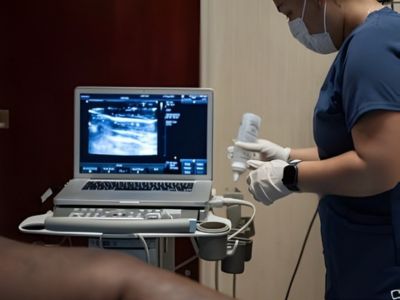
Modern vein care focuses on outpatient, minimally invasive treatments that safely close diseased veins and reroute blood flow through surrounding healthy vessels. These procedures are performed right in the office, require no general anesthesia, involve minimal downtime, and deliver lasting symptom relief.
Depending on your diagnosis, options like Endovenous Laser Treatment (EVLT), Radiofrequency Ablation (RFA), or Ultrasound-Guided Sclerotherapy can target the root cause of burning sensations.
Finding Convenient Vein Treatment Near You
With over 168 locations nationwide, USA Vein Clinics makes expert vascular care accessible. Our team consists of experienced, compassionate vein specialists who deliver evidence-based, compassionate care targeted to your specific symptoms.
We offer upfront insurance verification during scheduling to confirm coverage for consultations and treatments, along with flexible payment options. You do not have to live with burning varicose veins, we invite you to take the next step toward healthier legs and renewed comfort today.
Next Step
Find Relief From Burning Veins
Most insurance plans cover vein disease evaluations and treatments. Schedule your diagnostic ultrasound with our vascular team today.
Call us directly at 888.768.3467 or book online in just a few clicks.
Medical disclaimer: This article provides educational information about vein disease and vascular health. It is not a substitute for professional medical advice, diagnosis, or treatment. Always seek the advice of a qualified vein specialist or healthcare provider regarding any vascular symptoms or medical conditions.