
Medically reviewed by
USA Vein Clinics Medical Review Team
Vascular Surgeons and Vein Specialists
Reviewed: November 2026
Varicose eczema is a skin reaction caused by poor circulation in the lower legs, often linked to underlying vein disease. It is also known as venous stasis dermatitis, and it tends to develop gradually as blood pools in the veins below the knee.
Recognizing the connection between skin changes and vein health early can help you manage flare-ups and know when it may be time to talk with a vein specialist. This guide walks through what varicose eczema looks like, why it happens, and the options available for lasting relief.
What Is Varicose Eczema?
Varicose eczema, also called venous stasis dermatitis, is an inflammatory skin reaction that can develop when chronic venous insufficiency causes blood to pool in the lower legs. As pressure builds inside the veins, fluid can leak into the surrounding tissue, which may trigger inflammation and visible skin changes such as redness, itching, and discoloration.
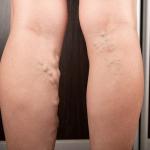
The condition most often appears in people who already have symptoms of vein disease, including varicose veins, leg swelling, or heaviness, since varicose eczema usually develops after venous insufficiency has been present for some time.
What Causes Varicose Eczema?

Varicose eczema is thought to develop when weakened vein valves allow blood to flow backward instead of returning efficiently to the heart. Over time, this increased pressure can push fluid into the skin, and the immune system’s response to that fluid may be what causes the itching, redness, and irritation associated with varicose eczema. Age, prolonged standing or sitting, carrying extra weight, and a personal or family history of vein disease can all raise the likelihood of developing this type of skin reaction.
Varicose Eczema vs. Regular Eczema
Regular eczema can appear anywhere on the body and is often linked to allergies, irritants, or genetics. Varicose eczema, on the other hand, typically appears only on the lower legs and ankles and tends to occur alongside other signs of vein disease, such as leg heaviness or visible varicose veins. Because the two conditions can look similar, a vein specialist or dermatologist may need to examine the skin and veins together to confirm the cause.
Varicose Eczema Symptoms and Early Warning Signs

If you have varicose veins, it helps to know the early warning signs of varicose eczema so you can seek evaluation before symptoms progress.
Common Symptoms
Early signs can include sudden flare-ups of redness on the lower legs, noticeable swelling around the ankles, leg heaviness or aching, and dry, irritated, or itchy skin. Skin discoloration is also common and can look different depending on skin tone, ranging from red or brown tones to purple, gray, or darker shades.
When Varicose Eczema Becomes Serious
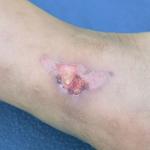
Without evaluation, varicose eczema may progress to open wounds known as venous ulcers, which can take a long time to heal. A hardening of the skin called lipodermatosclerosis can also develop and is considered a sign of more advanced vein disease. Persistent swelling, skin that oozes or crusts, or patches that feel tight and painful are signs it may be time to see a specialist.
How to Manage and Treat Varicose Eczema
There are both short-term and longer-term approaches that may help manage varicose eczema symptoms.
Short-Term Relief for Flare-Ups

Moisturizers and barrier creams can help reduce dryness and irritation, while compression stockings may improve circulation and ease swelling. A doctor may also recommend a short course of topical corticosteroids to calm itching and inflammation, or antibiotics if a skin infection develops. These options can offer temporary relief for flare-ups, but they do not address the underlying vein disease.
Long-Term Vein Treatment Options
Because varicose eczema is connected to underlying vein disease, addressing the affected veins may help reduce how often symptoms occur. USA Vein Clinics offers several minimally invasive, outpatient treatments for varicose and spider veins, including EVLT, radiofrequency ablation (RFA), VenaSeal, ClariVein, Varithena, and ultrasound-guided sclerotherapy. These treatments are designed to close the affected vein so blood can reroute through healthier vessels nearby, which may help relieve symptoms like swelling and skin irritation over time.
A vein specialist may recommend addressing any active skin infection or open sore first, since this can affect the timing of vein treatment.
When to See a Vein Specialist

If you notice persistent leg swelling, skin discoloration, or itching that does not improve with basic skin care, it may be time to schedule an evaluation. A vein specialist can use a duplex ultrasound, a painless imaging test, to check for venous reflux and help determine whether an underlying vein condition may be contributing to your symptoms. Earlier evaluation may help reduce the risk of complications such as venous ulcers or skin hardening.
Varicose Eczema Relief at USA Vein Clinics
Varicose eczema is often one of the clearer signs that underlying vein disease may be present. Recognizing the connection between skin changes and circulation can help you decide when it’s worth having your veins evaluated.
If you are noticing leg swelling, skin discoloration, or itching along with visible veins, taking our symptom quiz is a simple first step toward understanding what may be going on.
Know Your Symptoms
See If Your Skin Changes Could Be Vein-Related
Varicose eczema is often a visible sign of underlying vein disease, not a stand-alone skin condition. A short symptom check is a simple way to understand what may be contributing to your symptoms.
USA Vein Clinics offers minimally invasive, outpatient vein treatments performed without general anesthesia and with minimal downtime. A vein specialist can evaluate your symptoms and discuss which options may be right for you.
Frequently Asked Questions
- National Eczema Association. “Stasis Dermatitis: Symptoms, Causes & Treatment.” Accessed 2026.
- Cleveland Clinic. “Venous Stasis Dermatitis: Causes, Symptoms & Treatment.” Accessed 2026.
- National Center for Biotechnology Information (NCBI). “Stasis Dermatitis: An Overview of Its Clinical Presentation, Pathogenesis, and Management.” National Institutes of Health.
Medical disclaimer: This article provides educational information about vein disease and treatment options. It is not a diagnosis or medical advice. Only a qualified vein specialist can determine whether you have vein disease or recommend appropriate treatment. If you have leg swelling, pain, or other vascular symptoms, consult a healthcare provider or contact USA Vein Clinics for an evaluation.