
Medically reviewed by
USA Vein Clinics Medical Review Team
Vascular Surgeons and Vein Specialists
Reviewed: August 2026
Heat impacts your varicose veins by causing them to expand, which helps your body cool down. This process is called vasodilation. For people with healthy veins, it is a normal, temporary response. But if you already have varicose veins or underlying vein disease, that widening puts added pressure on vein valves that are already struggling to keep blood flowing in the right direction. The result is a familiar pattern during warmer months: more swelling, more aching, more visible veins, and legs that feel heavier than usual.
Understanding why heat affects your veins the way it does can help you take steps to protect your comfort and your vein health during the summer. It can also help you recognize when symptoms go beyond seasonal discomfort — and when it may be time to talk to a vein specialist about treatment options that can address the underlying cause.
How Heat Affects Varicose Veins
What Is Vasodilation?
Vasodilation is the widening of blood vessels in response to heat. When your body temperature rises — from outdoor heat, exercise, a hot shower, or a hot tub — your circulatory system opens up surface blood vessels to push warm blood closer to the skin, where heat can escape. This is one of the body’s key cooling mechanisms.
For most people, vasodilation is helpful and temporary. Once the body cools down, blood vessels return to their normal size and blood flow normalizes.
Why Varicose Veins React Differently to Heat
Varicose veins develop when the tiny one-way valves inside leg veins weaken or become damaged. These valves normally help prevent blood from flowing backward as it travels toward the heart. When they malfunction, can blood flow backward and pool in the lower legs — a condition known as chronic venous insufficiency (CVI).[2]
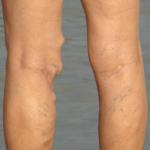
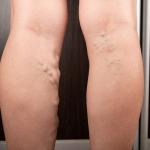
When heat triggers vasodilation, the veins expand. For someone with CVI, those already-weakened valves have an even harder time managing the increased blood volume. More blood pools. Pressure builds inside the vein walls. The result can be visible bulging, increased discomfort, and a noticeable flare in varicose vein symptoms that may have felt more manageable in cooler weather.
Varicose Vein Symptoms That May Get Worse in Hot Weather
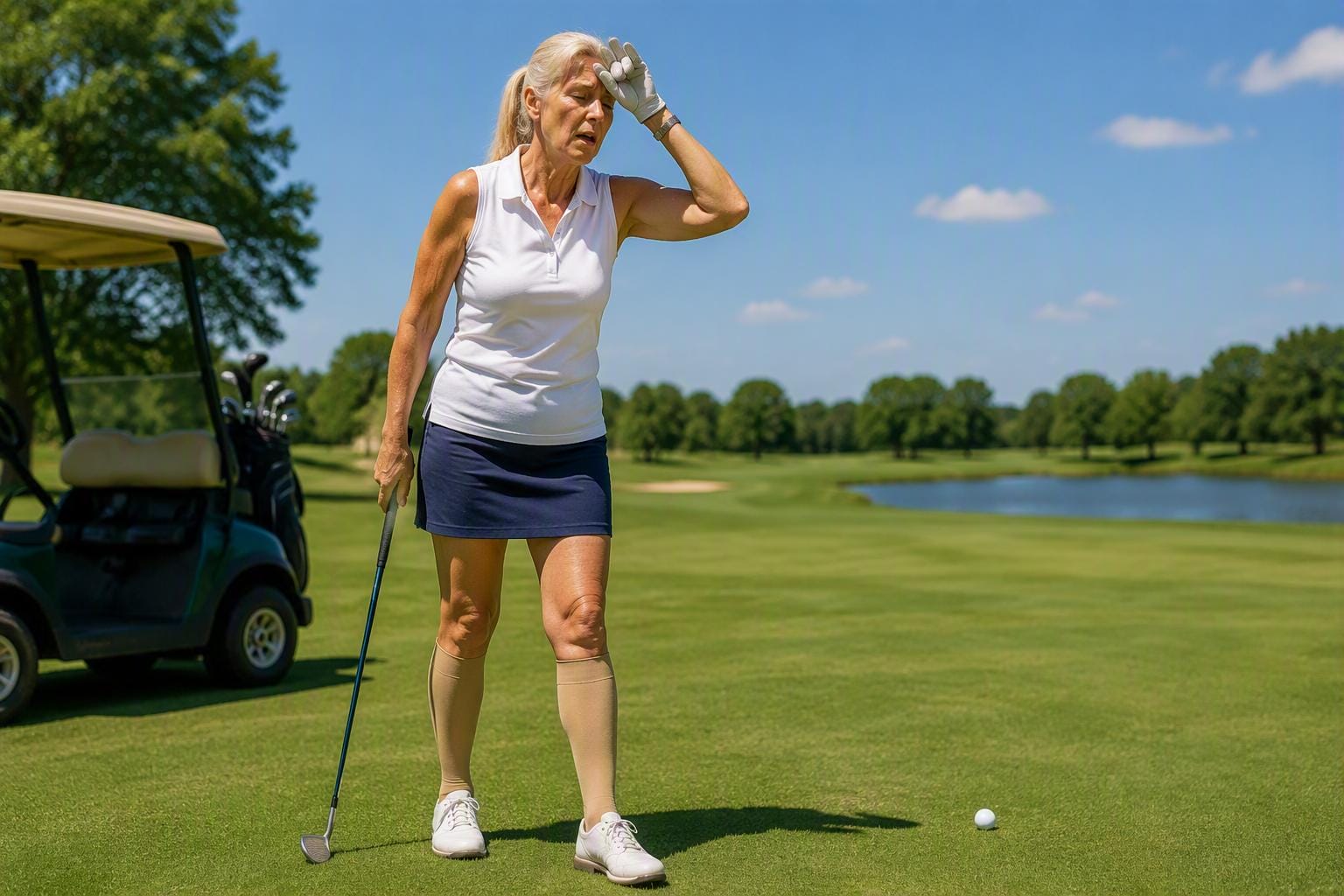
If you have varicose veins, you may notice several symptoms becoming more pronounced during warm weather or after heat exposure.[1] Common symptoms that can flare in heat include:
- Leg swelling, particularly around the ankles and lower calves
- Aching or throbbing in the legs, especially after standing
- A heavy or tired feeling in the legs
- Burning or itching near the affected veins
- Veins that appear more visible or raised than usual
- Cramping, especially later in the day
These symptoms typically worsen as the day goes on, because heat exposure compounds the effects of gravity pulling blood downward all day long.
Why Varicose Veins Hurt More at Night After Heat Exposure
This is one of the most common questions vein specialists hear: why do my legs hurt so much at night, especially after a warm day?
The answer comes down to accumulation. Throughout the day, gravity works against your already-weakened vein valves, allowing blood to pool gradually in your lower legs. Heat makes this worse by causing veins to dilate and fill with even more blood than usual. By the time evening arrives, hours of combined pressure from gravity and heat-triggered dilation have built up.
When you lie down, the pain and discomfort that activity and distraction were keeping at bay during the day become harder to ignore. The pooled blood causes vein walls to stretch and puts pressure on surrounding nerve tissue. Some people experience throbbing, cramping, restlessness, or a burning sensation that makes it difficult to fall or stay asleep.
Lying flat does help blood redistribute more evenly, and many people notice that symptoms ease overnight. But the pattern repeats the next day. Untreated vein disease is considered progressive, meaning each hot day can add to the cumulative strain on already-struggling vein valves. For a closer look at the mechanics behind nighttime discomfort, USA Vein Clinics has a detailed guide on why varicose veins hurt at night.
Heat Sources to Approach with Caution
Beyond outdoor heat, certain heat sources can be particularly problematic for people with varicose veins:
Hot tubs, saunas, and steam rooms: Intense heat causes rapid and prolonged vasodilation, which can quickly worsen pooling and swelling. Read more about how hot tubs and varicose veins interact before your next soak.
Hot showers at the end of the day: After hours of heat exposure and gravitational pressure, a hot shower adds another round of vasodilation to already-stressed veins. Cool or lukewarm water is generally better tolerated.
Prolonged direct sun exposure: Extended time in direct sun raises skin and body temperature, adding to the vasodilation effect. UV exposure can also affect the skin overlying varicose veins, making it more sensitive over time.
Moderate temperatures and brief heat exposure are generally less problematic than prolonged, intense heat. The goal is not to avoid warmth entirely but to be aware of what may trigger a flare.
What May Help During Hot Weather
While heat cannot be fully avoided in summer, some steps may help reduce symptom flare-ups:
- Stay cool. Air conditioning, fans, and cooling towels can help lower body temperature and limit vasodilation. Short, cool dips in a pool are often better tolerated than prolonged heat exposure.
- Stay hydrated. Dehydration thickens blood, which makes it harder for weakened veins to circulate it effectively. Water and low-sodium fluids are your best options.[4]
- Elevate your legs. Raising your legs above heart level for 15 to 20 minutes at a time, several times throughout the day, can help blood drain back toward the heart and reduce pressure in the lower legs.
- Wear compression stockings. Graduated compression garments apply gentle pressure that counteracts the pooling effect, helping veins push blood upward more efficiently, even during heat exposure.
- Choose low-impact movement. Walking, swimming in cool water, and cycling support circulation through the calf muscle pump without adding heat stress.
These steps may help manage symptoms, but they do not address the underlying cause. Vein disease is a progressive condition — the valve damage that causes varicose veins does not repair itself. If symptoms are interfering with your daily life or sleep, a vein specialist can evaluate whether treatment may help.
How USA Vein Clinics Can Help
If heat is making your varicose vein symptoms noticeably worse, that is a signal worth paying attention to. Occasional discomfort from a hot day is one thing. But if warmer weather means your legs are aching through the night, swelling daily, or showing new skin changes, those patterns suggest that the underlying vein disease may be progressing.
Our vein specialists use duplex ultrasound to map blood flow in your veins and confirm whether venous reflux is present. From there, a range of minimally invasive, outpatient treatments can address the source of the problem — not just the seasonal symptoms.
Treatment Options
Heat Should Not Keep You Sidelined
Cooling down, staying hydrated, and elevating your legs can provide some day-to-day relief. But if heat is consistently triggering pain, swelling, or disrupted sleep, those symptoms are pointing to an underlying vein issue that self-care alone may not resolve.
USA Vein Clinics offers minimally invasive, outpatient vein treatments designed to close the affected veins and improve circulation. Most patients return to normal activities the same day. A vein specialist can evaluate your symptoms and discuss which options may be appropriate for your situation.
Frequently Asked Questions About Heat and Varicose Veins
- Society for Vascular Surgery. “Varicose Veins.” vascular.org. Accessed 2026.
- National Center for Biotechnology Information (NCBI). “Chronic Venous Insufficiency: Pathophysiology and Treatment.” National Institutes of Health. ncbi.nlm.nih.gov. Accessed 2026.
- Mayo Clinic. “Vasodilation.” mayoclinic.org. Accessed 2026.
- Loma Linda University Health. “How to Ease Your Varicose Vein Symptom Flare-Ups in Summer Heat.” news.llu.edu. 2023.
- American Venous Forum. “Venous Disease Coalition.” venousforum.org. Accessed 2026.
Medical disclaimer: This article provides educational information about vein disease and treatment options. It is not a diagnosis or medical advice. Only a qualified vein specialist can determine whether you have vein disease or recommend appropriate treatment. If you have leg swelling, pain, or other vascular symptoms, consult a healthcare provider or contact USA Vein Clinics for an evaluation.