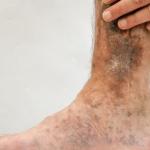

One of the most common questions for women with vein issues that develop during pregnancy is, “Do varicose veins go away after pregnancy?”
Varicose veins after pregnancy may see some improvement, but most women with varicose veins caused by an underlying health issue may require medical treatment to eliminate them.
Most women notice new or worsening varicose veins during pregnancy, especially in the legs or groin area. After childbirth, these veins can improve as blood flow and hormone levels return to normal. For some, however, the bulging, twisted veins may persist or even continue to cause discomfort.
Understanding what causes varicose veins during and after pregnancy can help you find relief and plan your next steps.
Why Do Varicose Veins Develop During Pregnancy?
Pregnancy can cause numerous changes to your body that cause all of your body’s systems to work a little differently, including your circulatory system.
A few specific factors that can impact varicose veins during pregnancy include:
- Increased blood volume and uterine pressure: Pregnancy increases the amount of blood in your body to support your baby’s growth. Along with an expanding uterus, there is extra pressure put on the veins in the pelvis and legs, increasing your risk for varicose veins.
- Hormonal changes: Elevated levels of progesterone, a hormone essential for maintaining pregnancy, relax the walls of blood vessels to support a growing baby. However, it also weakens the vein’s structure, making it more likely to swell and twist.
- Genetic and pre-existing factors: If you have a family history of varicose veins or have experienced vein issues before pregnancy, your risk is higher. These inherited traits can make vein walls and valves more vulnerable to the added stress of pregnancy.
Guide to Varicose Veins During Pregnancy
Common Areas Affected During Pregnancy
One of the most common areas affected by pregnancy-related varicose veins is the lower extremities, specifically the legs. As the uterus grows, it increases pressure on the veins that carry blood back to the heart from the lower body. The added pressure slows circulation in the legs, causing blood to pool and resulting in veins that appear enlarged, twisted, or bulging.
It is also possible to develop genital varicose veins in the vulva or groin area. These genital varicose veins occur when pressure builds up in the pelvic region during pregnancy, making it harder for blood to flow upward. These veins often become more noticeable as pregnancy progresses and may feel tender or achy.
It is important to note that, for most women, vulvar varicose veins resolve on their own within a few weeks to a few months after delivery, once the high blood volume and pelvic pressure subside. Treatment is usually only considered if they cause significant pain or persist postpartum.
How Long Do Varicose Veins Last After Pregnancy?

The time it takes for varicose veins to go away after pregnancy depends on their severity. In some cases, mild varicose veins can fade naturally within 3–6 months after childbirth. However, not all varicose veins will disappear on their own, especially in cases involving multiple pregnancies or those with a family history of varicose veins. If left untreated, there is a higher likelihood of lasting vein damage that won’t resolve, which is why consulting a vein specialist about potential treatments is necessary to help alleviate vein issues.
When to See a Vein Specialist After Pregnancy
Varicose veins that don’t heal on their own after pregnancy may signal an underlying health condition such as vein disease. Vein disease (chronic venous insufficiency) happens when the valves in your leg veins weaken, causing blood to pool and pressure to build.
It’s important to know when to seek professional evaluation to prevent complications and get effective relief. The key difference is whether you are breastfeeding.
Postpartum timeline considerations:
- If you are NOT breastfeeding: The temporary veins usually shrink as blood volume and hormones return to normal within 3 to 6 months after delivery.
- If you ARE breastfeeding: Hormones remain elevated, which can keep veins dilated (stretched). It is generally best to wait until 3–6 months after weaning before considering treatment, as many veins will continue to improve until that time
Consider visiting a vein specialist if you notice:
- Veins remaining swollen or painful beyond 3–6 months postpartum
- Discoloration, aching, or heaviness in the legs
- Skin changes, itching, or bulging veins
Early evaluation is key to reducing the risk of complications such as blood clots or ulcers. Specialized care from a vein expert allows for an accurate diagnosis and a range of minimally invasive treatments to relieve discomfort and restore healthy circulation.
How to Get Rid of Varicose Veins After Pregnancy
Whether varicose veins can go away after pregnancy depends on several factors. If they don’t fade within a few months after childbirth, relief may be easier than you think. Many patients opt for minimally invasive vein treatments for varicose veins because they are performed in an outpatient setting and require minimal to no downtime. These procedures target the source of vein disease and deliver long-lasting results without the need for general anesthesia.
Common non-surgical medical treatments for persistent postpartum varicose veins include:
- Endovenous Laser Therapy (EVLT)
- Radiofrequency Ablation (RFA)
- ClariVein®
- Ultrasound-Guided Sclerotherapy
- VenaSeal™
- Varithena™
For those who want their pregnancy-related varicose veins to improve, at-home care can help alongside medical treatment. Some at-home recommendations include wearing compression socks and maintaining a healthy lifestyle that includes light exercise and a balanced diet. It’s best to talk with a vein specialist to identify the best treatment based on your symptoms and health history.
Address Varicose Veins After Pregnancy with USA Vein Clinics
If you are concerned about varicose veins after pregnancy, USA Vein Clinics provides trusted, personalized care to help you feel better. Our clinics’ non-surgical, outpatient vein treatments require little to no downtime, allowing you to return to your daily life quickly.
With clinics conveniently available nationwide, USA Vein Clinics is ready to help you eliminate postpartum varicose veins and restore healthy circulation.
FAQs About Varicose Veins After Pregnancy
Can breastfeeding impact varicose vein recovery?
Because breastfeeding keeps certain pregnancy hormones elevated, your veins may take longer to return to their pre-pregnancy size.
Can I get vein treatment while breastfeeding?
It is typically best to wait until after finishing breastfeeding before pursuing vein treatment. Consult with a specialist for more information about vein treatment while breastfeeding.
Are postpartum varicose veins more common with twins?
Women carrying twins have higher levels of pregnancy hormones (like progesterone). These hormones cause greater relaxation and stretching (dilation) of the vein walls, leaving the internal one-way valves more vulnerable to damage. The uterus expands significantly more with multiple babies, adding extra, intense pressure on the major veins in the pelvic region. This increased pressure severely limits blood return from the lower legs, leading to greater blood pooling and stress on the leg veins.
What is the difference between spider veins and varicose veins after childbirth?
After childbirth, the main difference between spider veins and varicose veins is their appearance, size, and symptoms. Varicose veins are swollen, twisted veins that bulge above the skin’s surface, while spider veins are thin and web-like, developing just beneath the skin’s surface. Consult a specialist if you are unsure if you are experiencing spider or varicose veins.