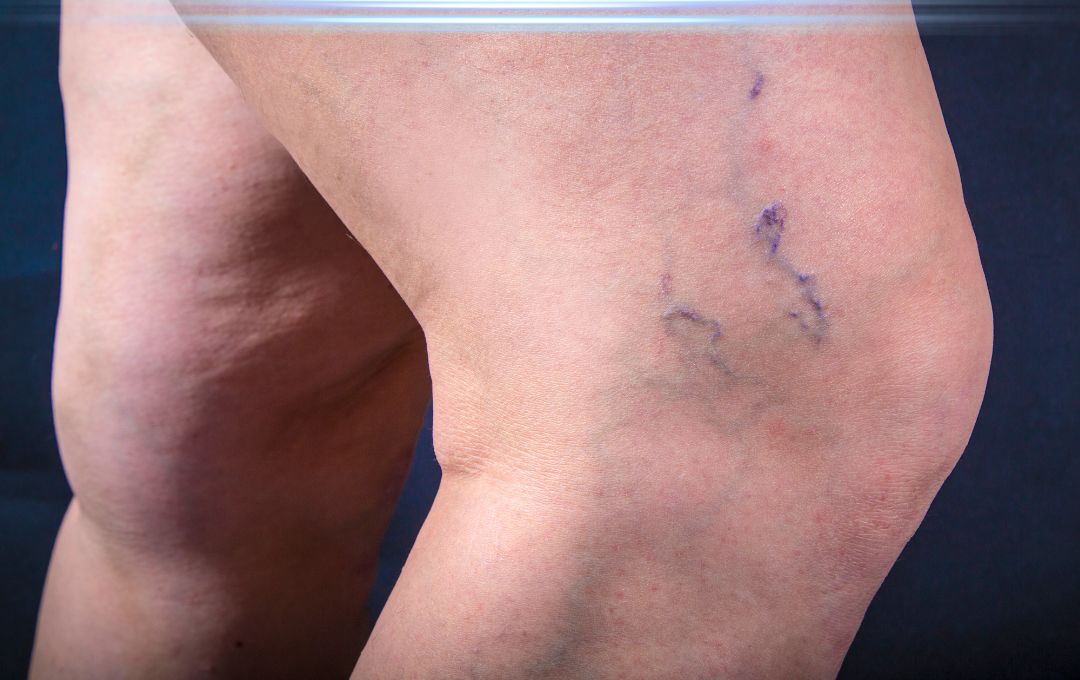

Spider veins (medically known as telangiectasia) may be small, but they can reveal important information about your vascular health. These thin, web-like clusters, often red, blue, or purple, commonly appear on the legs or face and affect millions of adults.
While many assume spider veins are only a cosmetic concern, they are frequently associated with underlying circulation issues, including Chronic Venous Insufficiency (CVI). If you’ve noticed visible veins, leg discomfort, or swelling, this guide explains when spider veins matter medically and how modern treatments can help.
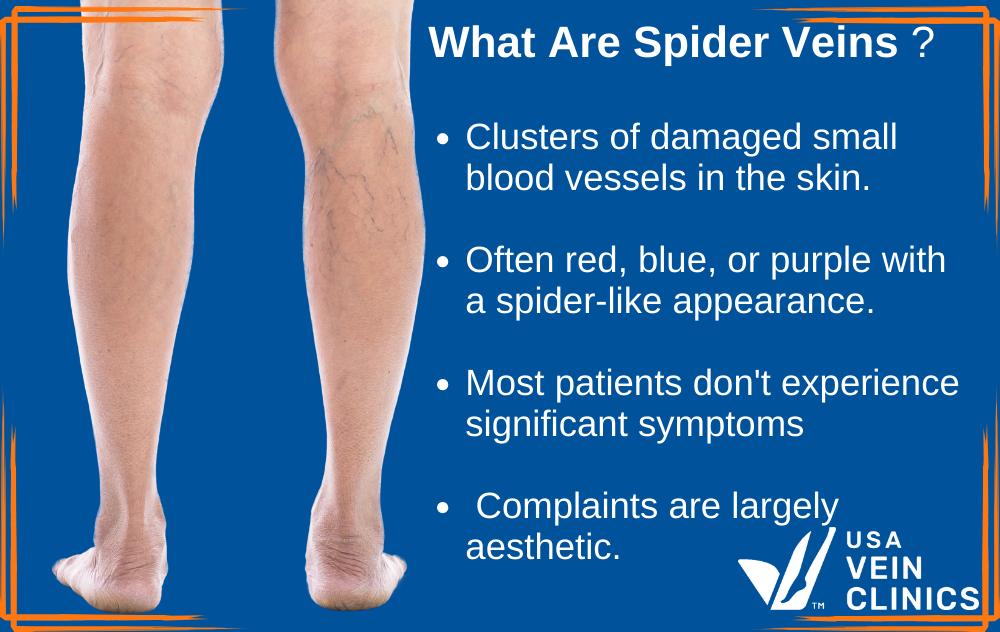
Spider veins are a symptom of vein disease and usually do not cause any symptoms. They are thinner and smaller than varicose veins and look similar to a spider web and are visibly discolored. Spider veins can appear on any part of the body, including hands and face, but they most commonly appear in the legs from increased pressure and decreased blood flow.
Up to 60% of Adults Suffer From Spider Vein Symptoms
What Are Spider Veins?
Spider veins are small, superficial blood vessels located just beneath the skin’s surface. They often resemble tree branches or spider webs and commonly appear when tiny vein valves weaken, allowing blood to pool and become visible near the skin.
They most often develop on the:
- Thighs and calves: where gravity increases vein pressure
- Ankles: sometimes signaling deeper circulation problems
- Face: frequently linked to sun exposure or skin thinning
Do Spider Veins Hurt? (Common Symptoms)
In many cases, spider veins are asymptomatic. However, for some patients, they are accompanied by symptoms such as:
- Aching or throbbing in the lower legs
- Heaviness or fatigue that worsens by the end of the day
- Burning or itching sensations near visible veins
- Restless legs or mild swelling
Expert note:
If spider veins are painful, this may indicate that underlying “feeder veins” are not functioning properly. A diagnostic ultrasound is the gold standard for identifying these hidden circulation issues and determining whether vein disease is present.
Spider Veins vs. Varicose Veins
| Feature | Spider Veins | Varicose Veins |
|---|---|---|
| Appearance | Flat, web-like, red or blue | Bulging, rope-like, blue or skin-colored |
| Location | Superficial (near the skin) | Deeper in the leg |
| Medical Risk | Often cosmetic or early CVI | Higher risk for pain, skin changes, ulcers |
| Pain Level | Mild itching or aching | Often significant pain and swelling |
| Progression Risk | May worsen over time | Typically progressive without treatment |
Are Spider Veins Dangerous?
Spider veins themselves are not dangerous. However, when they appear alongside symptoms such as leg pain, swelling, skin discoloration, or fatigue, they can signal underlying vein disease that may worsen if left untreated.
A professional vein evaluation can determine whether spider veins are isolated or part of a broader circulation problem.
Why Do Spider Veins Form? (Top Causes)
Several factors can increase the likelihood of developing spider veins:
- Genetics: A strong family history significantly raises your risk
- Hormonal changes: Pregnancy, menopause, and hormonal shifts can weaken vein walls
- Prolonged standing or sitting: Common in professions such as nursing, teaching, and retail
- Obesity: Increased pressure on leg veins affects circulation
- Sun exposure: Breaks down collagen, making facial spider veins more visible
Because these factors often overlap, spider veins may become more noticeable over time without proper management.
Treatment for Spider Veins
The most common treatment for spider veins is sclerotherapy. During this minimally invasive treatment, a vein specialist injects a medical solution into the affected veins, causing them to collapse and gradually fade from view. Over time, blood naturally reroutes through healthier nearby veins.
Before treating spider veins, your provider may recommend a vein evaluation or ultrasound to check for venous reflux. This is important because spider veins can return if an underlying circulation problem, such as chronic venous insufficiency, is not addressed first.
Modern, Non-Surgical Treatment Options
Spider veins do not require surgery. Today’s treatments are minimally invasive, safe, and performed in-office.
At USA Vein Clinics, commonly used treatments include:
Sclerotherapy (Gold Standard)
Sclerotheraphy, a medical solution is injected into the vein, causing it to close and be naturally absorbed by the body. This is the most effective treatment for spider veins in the legs.
Endovenous Laser Therapy (EVLT)
Endovenous laser therapy is a treamtent in which laser energy is used to treat underlying vein reflux when spider veins are linked to deeper circulation issues.
Visual Light or Laser Therapy
Often used for fine facial spider veins where injections may not be appropriate.
Benefits of modern treatment include:
- In-office procedures typically under 30 minutes
- No general anesthesia or hospital stay
- Minimal discomfort
- Most patients return to normal activities the same day
When spider veins are connected to vein disease, diagnostic testing and treatment may be covered by insurance, including Medicare and many private plans.
When Should You See a Vein Specialist?
You should consider a professional vein evaluation if:
- Spider veins are spreading or becoming painful
- Your legs feel heavy, tired, or swollen by day’s end
- You notice skin changes or discoloration near your ankles
- You have a family history of vein disease, DVT, or blood clots
- Spider veins affect your confidence or quality of life
A vein specialist can determine whether treatment is cosmetic or medically necessary and guide you toward the most appropriate care.
Appointments for Spider Vein Evaluation
Spider veins may seem minor, but your circulation is worth paying attention to. If you’re experiencing discomfort or just want to feel more confident in your skin, help is available.
At USA Vein Clinics, we offer non-surgical, expert care for vein issues—big and small. Schedule a consultation today and take the first step toward healthier legs. If you believe you are suffering from vein disease, contact us at 888.768.3467 to learn more about which treatment would work best for you.
Don’t feel like calling? You can click the button below to schedule your appointment online.