
Medically reviewed by
USA Vein Clinics Medical Review Team
Vascular Surgeons and Vein Specialists
Reviewed: August 2026
While low vitamin D is commonly associated with bone density loss, its role in whole-body cardiovascular function and circulatory health is far more extensive. Vitamin D acts as an important regulator across your entire vascular network, influencing everything from large arterial compliance to the delicate microcirculation in your extremities. A shortfall in this nutrient can contribute to arterial stiffness, systemic blood pressure imbalances, chronic inflammation, and an increased risk of developing venous conditions like varicose veins.
Your circulatory system relies on smooth blood vessel walls, optimal nitric oxide levels, and functional valve mechanisms to move oxygenated blood outward and return deoxygenated blood to your heart. Understanding how vitamin D influences both arterial and venous health gives you a complete picture of your overall vascular wellness.
Symptoms of Low Vitamin D and Poor Circulation
Vitamin D plays multiple roles in the body. It supports strong bones, but it also helps the cells lining your blood vessels, smooth muscle cells, heart, and immune cells. Researchers have linked vitamin D deficiency to several conditions, including osteoporosis, high blood pressure, and vascular diseases such as heart disease and chronic venous insufficiency (CVI), also known as .
Common signs that may indicate a vitamin D shortfall affecting your blood flow include:
- Extremity Numbness & Tingling: A frequent “pins and needles” sensation in the hands, feet, or toes caused by restricted microcirculation.
- Cold Hands and Feet: Reduced blood delivery to outer extremities, leaving them feeling persistently cold regardless of room temperature.
- Muscle Fatigue & Heavy Legs: Unexplained cramping, heavy sensations, or generalized weakness in the thighs and calves during daily walking.
- Slow Recovery and Delayed Healing: Minor skin irritations, cuts, or tissue damage on the lower legs taking longer than usual to repair.
- Skin Color Changes: Pale, dull, or slightly bluish undertones in the lower legs and feet during extended periods of standing.
- Systemic Fatigue & Bone Pain: A combination of deep bone soreness, joint stiffness, and ongoing low energy levels.
Some of these symptoms overlap closely with signs of poor circulation. The “pins and needles” sensation, for example, is a telltale sign of circulation issues, and pale or weak-feeling muscles can point the same way. That overlap exists because low vitamin D and poor circulation are often intertwined, since low levels affect the vessels that circulate blood through your body.
Connecting Low Vitamin D to Arterial and Venous Function
It is easy to confuse low vitamin D symptoms with other underlying circulatory disorders because the vascular system operates as an interconnected loop. Poor arterial delivery reduces oxygen reaching peripheral tissues, while underlying poor leg circulation from venous pooling prevents fluid from returning smoothly. Low vitamin D negatively impacts both sides of this equation.
How Low Vitamin D Impacts Impacts Vein Health

Vascular health depends on two main factors: keeping vessel walls flexible and keeping inflammation low. When vitamin D intake is inadequate, physiological changes occur across both the arterial and venous networks. Over time, unaddressed deficiency can contribute to hypertension, arterial stiffness, and progressive chronic venous insufficiency (CVI).
1. Endothelial Health and Nitric Oxide Production
The endothelium is the thin layer of cells lining all blood vessels. It regulates vascular tone by producing nitric oxide, a compound that signals smooth muscle around vessels to relax and dilate. Vitamin D directly stimulates the enzyme needed for nitric oxide production.
When vitamin D levels remain low, nitric oxide production decreases, leading to endothelial dysfunction. Vessels lose their ability to adapt to changes in blood pressure and blood volume, resulting in stiffer arteries and strained venous walls. This lack of compliance stresses the entire circulatory system.
Inflammation
Vitamin D helps the body manage inflammation, including around the valves and walls of your veins. That is part of why it, along with vitamin K, is one of the best vitamins for keeping your veins healthy.
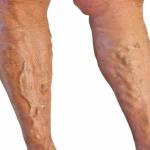
Too much inflammation around the valves and vein walls can cause damage. When your vein valves do not work properly, they cannot stop blood from flowing backward, which lets blood pool in your leg veins. This puts more pressure on the vein walls and damages them further. As a result, veins can become twisted and enlarged, which is what forms varicose veins. You might also notice other vein symptoms, like stiffness, leg pain, cramps, numbness, and restless legs.
2. Chronic Inflammatory Response and Valve Weakness
Vitamin D serves as a key modulator of the immune system, helping prevent chronic, low-grade inflammation within blood vessels. Combining sufficient vitamin D with other essential nutrients makes it one of the most effective vitamins for long-term vein and vascular health.
Without enough vitamin D to suppress inflammatory markers, vascular tissues become vulnerable to damage. In lower extremity veins, chronic inflammation weakens the tiny one-way valve flaps designed to prevent gravity from pulling blood downward. As blood pools, pressure increases on vessel walls, stretching them until visible varicose veins, leg swelling, and throbbing discomfort develop.
Blood Vessel Stiffness
The other way low vitamin D can affect vein health is by making your blood vessels less elastic. Vitamin D has vasoprotective properties that help protect your veins and arteries from damage, largely by restoring healthy levels of nitric oxide when they drop. Age, lack of exercise, a poor diet, smoking, and certain medications can all cause nitric oxide levels to drop as well. By restoring nitric oxide, vitamin D helps keep your veins and arteries toned and flexible, which supports healthy blood flow and helps prevent high blood pressure.
Are Your Symptoms Related to Vein Disease? Our Quiz May Help You Find Out.
Tips to Support Vitamin D and Circulation
Improving your overall circulatory health requires a broad, multi-faceted approach. You can optimize your vitamin D status and support systemic vascular performance through intentional everyday habits:
- Balanced Sun Exposure: Aim for approximately 15 minutes of direct sunlight on the arms and legs several times per week to encourage natural synthesis.
- Nutrient-Rich Foods: Eat plenty of fatty fish (such as salmon and mackerel), egg yolks, fortified dairy products, and mushrooms.
- Active Movement: Daily walking, cycling, or leg elevation exercises encourage blood return from the lower extremities back toward the heart.

Combining Lifestyle Adjustments with Vascular Care
Your doctor might also recommend a vitamin D supplement to treat a deficiency. But vitamin D is just one part of maintaining healthy veins. Getting enough exercise, eating a nutrient-packed diet, drinking more water, and pairing it with foods that improve circulation all support your vein health as well. Combining the lifestyle changes with vein screenings from an experienced vein specialist can help ensure your veins stay healthy.
It is important to note: A blood test is the most reliable way to know whether you are actually low, since symptoms alone are not always a clear signal.
When to Seek a Comprehensive Vascular Evaluation
If you continue experiencing symptoms like leg swelling, persistent aching, cold extremities, or visible varicose veins despite optimizing your vitamin D intake, structural vein issues may be present. It is not always easy to recognize low vitamin D symptoms. Left unchecked, low levels can affect your veins and raise your chances of developing venous insufficiency, blood clots, and poor circulation. A qualified vein specialist can use duplex ultrasound to check for venous reflux and help determine whether your circulation concerns are related to vein disease, low vitamin D, or both.
Next step
Are Your Symptoms Linked to Circulation or Vein Health?
Low vitamin D is part of a larger picture when it comes to circulatory wellness. If you are experiencing leg heaviness, visible varicose veins, ankle swelling, or discomfort, evaluating your symptoms is a proactive first step. Our quick online symptom quiz helps you determine whether an evaluation with a vascular specialist can help improve your leg health and circulation.
FAQs About Vitamin D and Circulation
References
- Kim, Do-Houn, et al. “Vitamin D and Endothelial Function.” Nutrients. 2020;12(2):575.
- Muderrisoglu, H., et al. “Association Between Risk of Varicose Veins and Vitamin D Deficiency.” International Journal of Clinical Practice. 2026.
Medical disclaimer: This article provides educational information about vein disease and treatment options. It is not a diagnosis or medical advice. Only a qualified vein specialist can determine whether you have vein disease or recommend appropriate treatment. If you have leg swelling, pain, or other vascular symptoms, consult a healthcare provider or contact USA Vein Clinics for an evaluation.