
Medically reviewed by
Dr. Yan Katsnelson, MD, CEO
Reviewed August 2026
Sclerotherapy results can last for years. Many patients enjoy long-term relief from a single treated vein. The vein itself closes for good once treatment works. New veins can still develop over time, since they come from ongoing vein disease, not the original treated vein. If you are weighing whether sclerotherapy is worth scheduling, it helps to know what “lasting results” actually means before your consultation.
At USA Vein Clinics, we try to inform our patients that sclerotherapy treats the veins you can see and feel right now. It does not stop future vein disease from developing. That distinction matters more than most people realize. Here is what happens to a treated vein, what can shorten or extend your results, and what your consultation with a vein specialist can tell you about your own timeline.
Key Takeaway
A vein treated with sclerotherapy closes for good, and many patients see results that last for years. New veins can still form over time due to ongoing vein disease, which is why a vein specialist evaluation is the best way to understand your personal timeline.
How Long Does Sclerotherapy Last?
Once a vein responds to sclerotherapy, that specific vein is closed for good. The sclerosant solution irritates the vein wall. This causes the wall to seal shut and, over time, the body reabsorbs it. Blood that once pooled in that vein reroutes through healthier veins nearby. That is why the treated vein does not simply “come back.”
Most patients seek sclerotherapy because of an underlying vein disease process. Treating one vein does not stop that process. Still, many patients experience symptom relief and cosmetic improvement that last for years. How long results last can vary from person to person. Our complete guide to sclerotherapy covers what to expect before, during, and after treatment in more detail.
Results for Spider Veins vs. Varicose Veins
Smaller veins, such as spider veins treated with visual sclerotherapy, tend to fade within a few weeks. These results are often durable. Larger veins treated with ultrasound-guided sclerotherapy may take longer to fully resolve. They can also be more likely to need a follow-up session, since larger veins carry more blood flow and pressure.
What “Permanent” Really Means for a Treated Vein
It helps to separate two different questions patients often mix up. The first is how long it takes to see results. That is usually weeks. The second is how long the closed vein stays closed. For many patients, that is measured in years. A treated vein is meant to be a lasting fix for that specific vein. It is not a guarantee against new veins forming somewhere else in the leg.
Patients sometimes assume that treating one vein fully resolves their vein disease. It helps to think of sclerotherapy as addressing the veins causing symptoms or cosmetic concerns right now. It does not reverse the underlying tendency toward venous reflux. Vein valves that have already weakened will not become strong again on their own. This is why ongoing monitoring matters, even after a successful outcome. Patients who keep up with follow-up visits are often able to catch new problem areas early.
“Results lasting years” does not mean the treated vein is still working somewhere behind the scenes. Once it closes and is reabsorbed, it is simply gone from active circulation. Any vein-related symptoms you notice later almost always trace back to a different vein, not the one you already treated.
What Affects How Long Your Sclerotherapy Results Last
No two patients have identical vein disease. No two patients should expect identical timelines. A few factors tend to matter most for how long your results may hold up.
Vein Size and Type
Research on ultrasound-guided sclerotherapy has found that outcomes can vary by vein size and type.1 Smaller veins and tributaries generally respond more favorably than larger saphenous veins. This is one reason a vein specialist evaluates your veins with duplex ultrasound before recommending a treatment plan. A timeline built for your specific veins works better than a general estimate.
Lifestyle and Genetics
If you have a family history of varicose or spider veins, you may be more likely to develop new veins later. This can happen even after successful treatment of your current ones. Prolonged standing or sitting, weight changes, and hormonal shifts can also influence how quickly new veins may appear.
Following Aftercare Instructions
Wearing compression stockings as directed can support your results. So can staying active with walking and avoiding prolonged heat exposure to the treated area. Skipping aftercare steps will not undo a successful treatment. Still, consistent aftercare gives your body the best chance to heal fully.
Most vein specialists recommend wearing compression stockings for several days to a couple of weeks after treatment. The exact time depends on vein size and your healing response. Walking regularly in the days after treatment helps keep blood moving through healthy veins. It may also reduce the chance of complications. Sitting or standing for long stretches without moving can work against your results, since it increases pressure in the leg veins.
It is also worth avoiding sun exposure to the treated area in the weeks right after your session. Some patients notice temporary skin discoloration that tanning can make more noticeable. None of these aftercare steps are complicated. Small lapses can add up, so it helps to treat your specialist’s instructions as part of the treatment itself.
Underlying Vein Disease and Why It Matters Long Term
Varicose and spider veins are usually a visible sign of an underlying process called venous reflux. This happens when the one-way valves inside leg veins stop closing properly. Blood begins pooling instead of flowing efficiently back toward the heart, and the affected veins can enlarge over time. Sclerotherapy treats the veins that have already been affected. It does not repair valve function in nearby veins that are not yet symptomatic.
This is part of why some patients who are thrilled with their results are surprised to notice a new vein a few years later. It is rarely a sign that anything went wrong with the original treatment. It is simply a reflection of ongoing vein disease elsewhere in the leg. Knowing this in advance can make follow-up care feel like a normal part of managing vein health, not a setback.
How Many Sclerotherapy Sessions Will You Need?
Some patients need only one session for a small number of spider veins. Others need a series of sessions spaced several weeks apart to treat multiple veins or larger varicose veins. Your vein specialist builds a treatment plan based on your ultrasound results and the extent of your vein disease. The honest answer is that it depends on your case. A consultation is the only reliable way to know your personal number.
For a handful of small spider veins, one session is sometimes enough. For a larger network of affected veins, or veins feeding into deeper, more complex pathways, your vein specialist may recommend a series of sessions spaced roughly three to four weeks apart. This spacing gives each treated vein time to close and start fading before the next round of injections.
It is also common for patients to return for a touch-up session months or years later. This is usually not because the original results failed. It is because a new vein has developed. Most patients come to see follow-up sessions as ongoing vein health maintenance, not a sign that treatment failed.
Do Veins Come Back After Sclerotherapy?
This is one of the most common questions we hear. It is worth answering clearly: a properly treated vein does not reopen or “come back.” What patients sometimes mistake for a returning vein is actually a new vein forming nearby.
Recurrence vs. New Vein Formation
Long-term studies on saphenous vein sclerotherapy show that recurrence rates can increase over time.2 Outcomes vary depending on the vein treated and the technique used. This is part of why vein specialists treat vein disease as something to manage over the long term, not something one treatment eliminates completely. New veins are treatable using the same range of options. A recurrence of symptoms is not the end of the road.
A vein reopening is rare when treatment is successful. A nearby vein becoming newly symptomatic is common and expected as part of ongoing vein disease. Patients sometimes describe this second scenario as their veins “coming back.” From a clinical standpoint, though, it is a different vein responding to the same underlying venous reflux.
Knowing this distinction in advance can be reassuring. If you notice a new area of concern months or years after treatment, it does not mean your original sclerotherapy failed. It usually just means it is time for another evaluation, and possibly treatment, for a different part of your venous system.
Are You a Candidate for Sclerotherapy?
Not every vein responds best to sclerotherapy. Larger, more complex varicose veins are sometimes better suited to endovenous laser treatment (EVLT). Smaller, more superficial veins often do well with sclerotherapy alone. A vein specialist can determine which minimally invasive option, or combination of options, fits your vein disease symptoms and goals.
Good candidates for sclerotherapy typically have visible spider veins, reticular veins, or smaller varicose veins linked to underlying venous reflux. Sclerotherapy is generally not recommended during pregnancy or while breastfeeding. Your vein specialist will also ask about any history of blood clots or allergic reactions before moving forward. None of these questions are meant to discourage you. They simply help your care team choose the safest path for your veins.
If you have already tried compression stockings or other conservative measures without much relief, that is often a sign to talk with a specialist about minimally invasive options. Many patients wait longer than they need to, sometimes out of concern about downtime or discomfort that does not match how straightforward modern vein treatment actually is.
What to Expect at Your Consultation
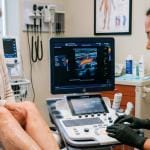
Your consultation typically starts with a review of your symptoms and medical history. Next comes a duplex ultrasound to map any underlying venous reflux. From there, your vein specialist walks you through which treatment options may apply to your case. You will also get a realistic sense of your own timeline, both for results and for how long they may last.
During the ultrasound, your vein specialist checks blood flow within the affected veins to see whether reflux is present and how significant it is. This step matters because it separates vein disease from purely cosmetic surface veins. It also helps guide whether sclerotherapy alone will be enough or whether a combination approach makes more sense. You can ask questions about session count, spacing, and what results to expect based on your own vein anatomy.
Most consultations take between thirty and sixty minutes. That gives you time to discuss your goals and concerns without feeling rushed. Bring a list of any medications or supplements you take, along with details about prior vein treatments if you have had any. This helps your specialist build the most accurate plan from day one. If you are also curious about recovery timing across other minimally invasive options, our guide to how long varicose vein treatment takes to work covers what to expect across treatment types.
Ready to Find Out How Long Your Results Could Last?
Sclerotherapy can offer years of relief from the veins bothering you today. The only way to know your personal timeline is through an evaluation with a vein specialist. Our team at USA Vein Clinics can review your symptoms, perform a duplex ultrasound, and walk you through your options so you can move forward with confidence.
FAQs About Sclerotherapy Results
Q: How long does sclerotherapy last?
A: A successfully treated vein closes for good and will not reopen. Many patients enjoy results for years. New veins can still form over time due to ongoing vein disease, and those may need treatment down the road.
Q: How many times can you have sclerotherapy?
A: There is no strict limit on the number of sclerotherapy sessions a patient can have over time. Many patients return for treatment of new veins years after their original sessions. Your vein specialist can advise on appropriate spacing between sessions.
Q: Does sclerotherapy get rid of veins permanently?
A: The specific vein that responds to treatment closes for good and is reabsorbed by the body. Sclerotherapy treats existing veins, not the underlying tendency toward vein disease, so it does not prevent new veins from forming elsewhere.
Q: How soon will I see results?
A: Spider veins often begin to fade within a few weeks. Larger veins can take longer, sometimes a few months, to show their full result. Your vein specialist can give you a more personalized estimate based on the veins being treated.
Q: Can new varicose or spider veins form after treatment?
A: Yes. Vein disease is an ongoing process, so new veins can appear even after successful treatment of existing ones. Regular follow-up with a vein specialist can help you catch and treat new veins early.
References
1. Darvall KAL, Bate GR, Adam DJ, Bradbury AW. Outcome of ultrasound-guided sclerotherapy for varicose veins: medium-term results assessed by ultrasound surveillance. PubMed. Available at: https://pubmed.ncbi.nlm.nih.gov/17067832/
2. Sclerotherapy of varicose veins: long saphenous vein recurrence rates. PubMed. Available at: https://pubmed.ncbi.nlm.nih.gov/11503470/
Medical Disclaimer: This article provides educational information about vein disease and treatment options. It is not a diagnosis or medical advice. Only a qualified vein specialist can determine whether you have vein disease or recommend appropriate treatment. If you have leg swelling, pain, or other vascular symptoms, consult a healthcare provider or contact USA Vein Clinics for an evaluation.