
Chronic venous insufficiency (CVI) is a progressive circulatory condition that occurs when weakened valves in the leg veins struggle to send blood back to the heart, causing fluid to pool in the lower legs. Because this pooling can lead to long-term health risks, patients frequently ask, “Is chronic venous insufficiency dangerous?” or even, “Can you die from chronic venous insufficiency?”
While CVI itself is rarely a direct cause of death, leaving the underlying poor circulation untreated allows advanced complications to develop over time. Restricted blood flow can eventually result in non-healing skin ulcers vulnerable to infection or deep vein thrombosis (DVT)—a blood clot that requires immediate medical care because it carries the risk of pulmonary embolism.
To help clarify when to seek clinical guidance, this article addresses whether chronic venous insufficiency is fatal, explains how these complications progress, and outlines the specific symptoms that should be evaluated by a vein specialist.
What Complications Can Chronic Venous Insufficiency Cause?
When left untreated, the poor circulation caused by CVI is not a static issue; it naturally worsens over time. Understanding the progressive chronic venous insufficiency risks can help you identify when the condition is advancing to a more serious phase.
As blood continues to pool in the lower legs, the increased pressure damages surrounding tissue and skin, leading to several distinct venous insufficiency complications:
- Chronic Swelling (Edema) and Pain: Persistent fluid buildup causes painful tightness, heaviness, and aching in the calves and ankles.
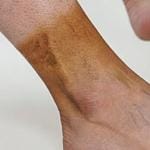
- Skin Changes (Stasis Dermatitis): The skin on the lower legs can become thin, brittle, itchy, and discolored, often turning a dark reddish-brown hue.
- Venous Ulcers: These are painful, open sores that develop on the lower leg or ankle. Because of the poor localized blood flow, these wounds heal very slowly and are highly susceptible to bacterial infections.
- Deep Vein Thrombosis (DVT): Sluggish blood flow increases the likelihood of a blood clot forming in the deep veins of the legs, a condition that requires immediate medical intervention.
Warning Signs Chronic Venous Insufficiency is Becoming Dangerous
CVI progresses through six distinct clinical stages, making it important to recognize when the condition is advancing past simple cosmetic issues. In the early phases (Stages 1 through 3), you might only notice spider veins, varicose veins, or mild ankle edema. Left untreated, the condition can progress to advanced tissue damage, including Stage 4 skin changes and Stage 5 CVI, which is defined by the presence of healed venous ulcers. Knowing how to spot the transition into these later stages will help you determine whether chronic venous insufficiency is dangerous in your specific case.
Living with CVI for decades is entirely possible, as the underlying condition itself does not impact your normal life expectancy. However, your daily quality of life and long-term health depend entirely on managing the symptoms before they advance to Stage 6, which involves active, open wounds.
You should contact a specialist if you notice these critical chronic venous insufficiency warning signs:
- Worsening leg swelling: Edema that no longer resolves after a night of elevating your feet indicates that fluid pressure is building up significantly in your tissues (Stage 3).
- Skin discoloration on legs: Skin around your lower calves or ankles turning dark reddish-brown, with a leathery or shiny texture, indicates chronic inflammation is damaging the skin barrier (Stage 4).
- Non-healing wounds: Open sores (venous ulcers) that fail to heal after a couple of weeks signal that the disease has progressed past the healed ulcer phase of Stage 5 and into Stage 6. These wounds indicate that the skin has broken down due to a lack of fresh, oxygen-rich blood flow, leaving the area vulnerable to infection.
WHY YOU SHOULD SCHEDULE A VEIN SCREENING
Does Chronic Venous Insufficiency Impact Life Expectancy?
CVI is a progressive circulatory condition, which is why many patients wonder about the long-term prognosis and are concerned about whether chronic venous insufficiency can be fatal.
Standing alone, CVI itself does not shorten your life span. There is no direct link between a diagnosis of CVI and lower chronic venous insufficiency life expectancy. While CVI itself is not directly fatal, the complications that arise from leaving it untreated can become life-threatening.
The primary concern regarding whether CVI is dangerous involves two critical risks:
- Pulmonary Embolism from DVT: If stagnant blood flow causes a deep vein blood clot to form and travel to the lungs, it can be a medical emergency.
- Spreading Infections: Open venous ulcers provide an easy entry point for bacteria. If left untreated, a simple skin infection can spread deeper into the body, becoming much harder to treat and requiring advanced medical care.
So, while the vein disease itself is not a lethal diagnosis, managing the condition early prevents the advanced risks that could impact your overall longevity.
How CVI Affects Daily Life
While the long-term health risks are important to consider, the day-to-day impact of vein disease on quality of lifequality-of-lifequality of life factors is what most patients notice first. Chronic venous insufficiency is not just a cosmetic concern; it causes physical symptoms that can make routine daily activities difficult.
For many people, the earliest sign is a persistent sensation of heavy legs. This feeling of fatigue and tightness often worsens by the end of the day, particularly for those who spend long periods standing or sitting at work. This heaviness is frequently accompanied by noticeable leg swelling from CVI, which typically targets the ankles and calves as fluid accumulates in the lower tissues.
Over time, these symptoms can limit your mobility, disrupt your sleep due to nighttime restlessness, and make it uncomfortable to exercise or stay active. Recognizing how these daily discomforts affect your routine is often the first step in realizing that your veins need professional attention.
Symptoms and Risk Factors of CVI
Recognizing the early warning signs of vein disease is the most effective way to prevent long-term complications. Many patients ignore mild leg discomfort, assuming it is just a normal part of aging or fatigue. However, understanding how to identify venous insufficiency symptoms early can help you determine if your poor circulation is progressing into something more serious.
Common symptoms that indicate your leg veins are struggling to pump blood back to the heart include:
- Persistent Heaviness and Aching: A dull, tired ache in the calves or thighs that typically gets worse by the end of the day or after prolonged standing.
- Swelling (Edema): Visible fluid retention in the lower legs, ankles, or feet, which often improves after elevating your legs.
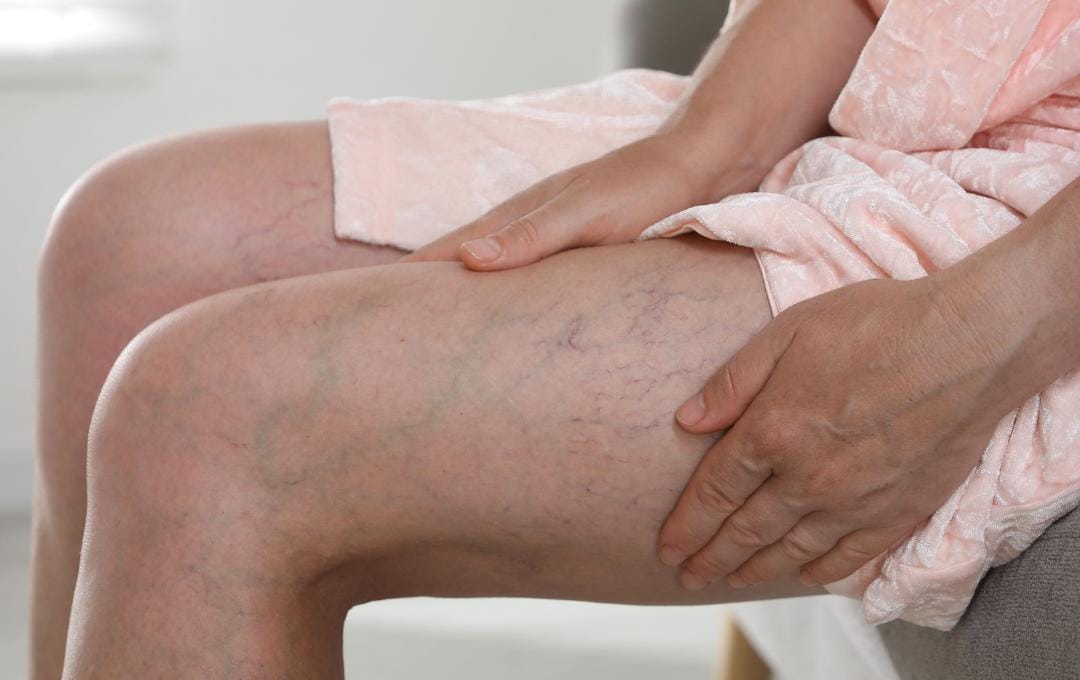
- Varicose Veins: Enlarged, twisted, or bulging blue and purple veins that appear close to the surface of the skin.
- Skin Changes: Itchy, dry, or leathery skin on the lower legs, sometimes accompanied by a dark reddish-brown discoloration.
So, is chronic venous insufficiency dangerous? While these initial symptoms may feel like a minor daily inconvenience, they reflect an underlying circulatory issue. Certain risk factors—such as a sedentary lifestyle, genetics, pregnancy, or jobs that require hours of continuous sitting or standing—make the condition more likely to advance. Addressing these symptoms early protects your veins from long-term damage and keeps manageable issues from turning into severe health risks.
CVI Treatment Options
Managing vein disease does not have to involve a complex surgical recovery. Modern advancements have made venous insufficiency treatment highly accessible, allowing patients to address the root cause of their symptoms right in a clinical office setting.
For the vast majority of patients, non-surgical CVI treatment options are the standard of care. These minimally invasive procedures, offered by USA Vein Clinics, focus on closing off the diseased veins so that blood is naturally rerouted to healthier, functioning veins nearby.
Common outpatient procedures used for effective chronic venous insufficiency treatments include:
- Endovenous Laser Ablation (EVLT): A thin laser fiber is inserted into the affected vein, using targeted heat energy to safely seal the diseased vein shut.
- Sclerotherapy: A specialized medical solution is injected directly into smaller varicose or spider veins, causing them to collapse and eventually be absorbed by the body.
- Varithena or VenaSeal: These advanced treatments use a medical foam or a specialized adhesive to close problematic veins without the need for thermal heat.
Since these treatments require no general anesthesia and involve minimal downtime, patients can typically return to their normal daily activities immediately following their appointment.
Take Control of CVI Symptoms With USA Vein Clinics
Managing vein disease before it reaches advanced stages is the best way to protect your long-term mobility and comfort. The specialists at USA Vein Clinics offer minimally invasive, outpatient treatments that target poor circulation, helping to restore healthy blood flow and relieve painful symptoms.
While chronic venous insufficiency is not usually fatal, ignoring its progression can lead to serious health complications like skin ulcers or deep vein blood clots. Evaluating your symptoms early allows you to achieve lasting relief, prevent the condition from becoming dangerous, and actively protect your overall vein health.
Scheduling a consultation can help prevent advanced vein complications. You can schedule an appointment online or call us today to find a clinic location near you.
SCHEDULE YOUR CONSULTATION ONLINE
FAQs
Can you live a long life with chronic venous insufficiency?
Chronic venous insufficiency does not directly shorten your life expectancy. You can live with CVI for decades, though seeking early treatment is important to prevent advanced symptoms from impacting your daily mobility and quality of life.
How can you prevent venous insufficiency from getting worse?
You can manage the progression of CVI by wearing prescription compression stockings, elevating your legs above your heart when resting, maintaining a healthy weight, and staying physically active to improve calf muscle pump function. For lasting prevention, medical treatments can close the damaged veins entirely.
Does chronic venous insufficiency go away?
Chronic venous insufficiency does not go away on its own. Since vein valves cannot repair themselves naturally, the condition will steadily progress over time without lifestyle changes or medical intervention from a vein specialist.
Can chronic venous insufficiency lead to blood clots?
The sluggish blood flow and pooling caused by chronic venous insufficiency can increase your risk of developing deep vein thrombosis (DVT), which is a serious blood clot forming in the deep veins of the legs.
Can chronic venous insufficiency be fatal?
Chronic venous insufficiency itself is rarely fatal. However, its long-term, untreated complications can become life-threatening. This typically happens if a deep vein blood clot breaks free and travels to the lungs (a pulmonary embolism), or if an open leg ulcer develops an infection that spreads deeper into the body.