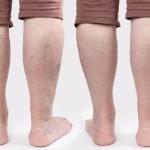
Varicose veins are a visible and often uncomfortable symptom of chronic venous insufficiency (CVI). These bluish, bulging, and twisted veins, which most commonly develop in the lower legs, occur when tiny one-way valves in veins weaken and fail to pump blood efficiently back to the heart. This vascular pooling can trigger a range of progressive vein disease symptoms, including heavy leg achiness, chronic fatigue, and localized swelling.
While increasing your fluid intake cannot completely repair damaged valves, staying properly hydrated is a highly effective tool for managing your daily discomfort and promoting healthy veins.
Hydration And Varicose Veins
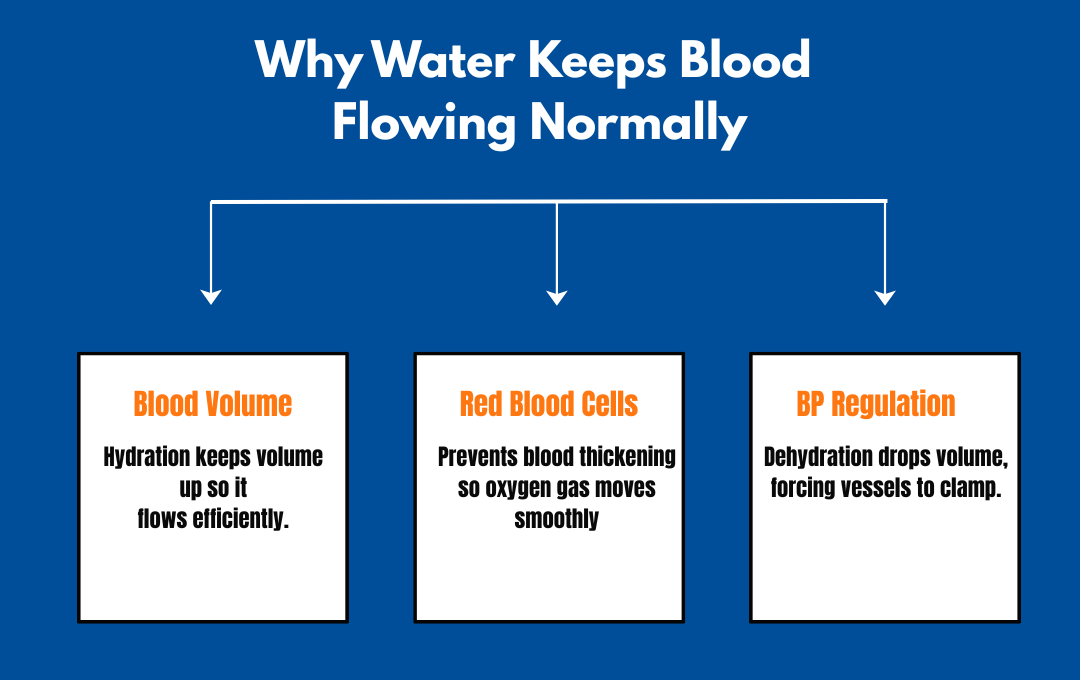
Water is the primary building block of a healthy circulatory system, supporting overall organ performance and vascular efficiency. Understanding how staying hydrated can improve circulation and reduce varicose vein symptoms can help you take control of your vascular wellness:
- Thinner Blood, Easier Flow: When you don’t drink enough water, your blood volume drops and becomes thicker and more sluggish. This can make it harder for your veins to pump blood back to your heart, leading to increased pressure and varicose vein formation. Consistently drinking enough water keeps your blood at an optimal viscosity, allowing it to flow more freely, reducing the mechanical strain on your valves, and minimizing the risk of dangerous blood clots leading to deep vein thrombosis (DVT).
- Stronger Supporting Muscles: The muscles surrounding your veins play a vital role in circulation. Proper hydration is required to enable these muscles to function optimally. When you’re dehydrated, these muscles can weaken, making it hard to squeeze and push blood back up toward the heart effectively.
If you are experiencing poor circulation symptoms despite maintaining an optimal daily water intake, it suggests an underlying structural issue that lifestyle changes alone cannot fix. An experienced vein specialist focuses on providing substantial relief and alleviating chronic symptoms. Our minimally invasive, outpatient treatments not only improve the baseline blood flow of your dehydrated veins but also significantly enhance the appearance and comfort of your legs.
Schedule Your Vein Screening Today!
How Much Water To Drink For Varicose Veins
According to the U.S. National Academies of Sciences, Engineering, and Medicine, the general recommendation for daily fluid intake is approximately 3.7 liters for men and 2.7 liters for women. However, your exact fluid needs can vary based on your personal activity level, age, and local climate.
To protect your vascular network, it is important to listen to your body and actively watch for signs of dehydrated veins. You can easily check the color of your urine to gauge the fluid levels in your body; pale or clear urine indicates a well-hydrated system, while dark amber urine means your veins are working under unnecessary strain. However, many patients are curious if using water to prevent varicose veins requires drinking fluids at a specific temperature.
Is Drinking Hot Water Good For Varicose Veins?
Think about how your legs feel on a hot summer day—often swollen, heavy, and tired. That happens because heat causes your blood vessels to expand and widen. When veins stretch out like this, it is harder for them to push blood back up to your heart, causing blood to pool in your lower legs and worsen your symptoms.
Drinking hot water can have that same stretching effect on your veins from the inside out, leading to added pooling, throbbing, and discomfort.
On the flip side, drinking crisp, cold water or taking a cool bath might feel refreshing and temporarily shrink your surface blood vessels. While the chilly temperature can briefly numb the ache, it is not a permanent solution for improving circulation in varicose veins. Cold water provides quick temporary relief, but it cannot repair the underlying vein disease or the internal inflammation that causes chronic leg swelling. While using water to prevent varicose veins and manage your daily symptoms is excellent self-care, advanced, minimally invasive vein treatment options are the only way to find true, long-term relief.
Simple Tips to Increase Your Daily Hydration:
- Carry a reusable water bottle: Keep it with you throughout the day at your desk or in the car as a constant visual reminder to sip.
- Flavor it up naturally: For a refreshing twist that encourages drinking, add fresh slices of lemon, lime, cucumber, or antioxidant-rich berries to your water.
- Track your intake: Use a simple smartphone app or a marked water bottle to monitor your daily intake and set automated reminders to drink throughout the day.
Vein Health Tips Beyond Hydration
While drinking enough water is a vital first step toward maintaining healthy veins, managing vein disease successfully requires a multi-faceted approach. Incorporate these additional vein health tips into your daily routine to better manage varicose veins:
- Elevate Your Legs: When resting at the end of the day, elevate your feet above your heart for 15–20 minutes to let gravity assist your blood flow.
- Move It or Lose It: Dedicate time to regular, low-impact exercise. Activities like walking, swimming, or cycling engage the calf muscle pump, which significantly improves lower leg blood flow.
- Mind Your Diet: Focus on incorporating specific foods that improve circulation, such as fiber-rich meals and bioflavonoid-dense foods (like citrus fruits and leafy greens) that strengthen vein walls. Concurrently, limit sodium intake to prevent fluid retention and leg swelling.
- Maintain a Healthy Weight: Carrying excess body weight places continuous, extra mechanical strain on the lower leg veins, accelerating valve failure.
- Get a Professional Screening: Any visible changes such as skin discoloration, skin thickening, persistent swelling, or a restless, tingling sensation in the legs are strong clinical indications that you should get a formal vein health evaluation.
When to See a Vein Specialist
Relying on hydration is just one piece of a broader strategy to manage symptoms and prevent the development of additional varicose veins. While lifestyle adjustments are highly beneficial for supporting compromised veins and boosting overall cardiovascular health, they cannot repair or reverse veins that have already become structurally damaged.
If your varicose veins are causing persistent pain, making your legs feel heavy at the end of the day, or actively impacting your daily mobility and quality of life, it is time to consult a professional.
The specialized vein doctors at USA Vein Clinics can accurately assess your vascular health using non-invasive diagnostic ultrasound. From there, we will design a personalized, comprehensive treatment plan using our advanced, insurance-approved treatments to safely close down damaged veins and restore healthy, natural circulation.
Connect With Vein Specialists Near You
Where do you need a vein specialist?