

Medically reviewed by
USA Vein Clinics Medical Review Team
Vascular Surgeons and Vein Specialists
Reviewed: October 2026
Spider veins do not go away on their own, but they are treatable. The thin red, blue, or purple lines that appear on the legs and face are a sign of small, damaged blood vessels beneath the skin. Some spider veins are a cosmetic concern. Others may indicate underlying vein disease, called chronic venous insufficiency (CVI), which can cause leg swelling, aching, and heaviness if left unaddressed. This article covers which treatments can actually remove spider veins and which popular approaches cannot.
What Are Spider Veins?
Spider veins, known medically as telangiectasias, are small, damaged blood vessels that sit close to the surface of the skin. They appear as thin, branching lines and may be red, blue, or purple. Unlike varicose veins, which are larger and often protrude from the skin, spider veins are flat and typically smaller than 1 millimeter in diameter.
They are very common. Research suggests spider vein symptoms appear in roughly 41% of women over the age of 50, and they can develop in younger adults as well, particularly those with a family history or a job that requires prolonged standing or sitting.[1]
Why Do Spider Veins Form?
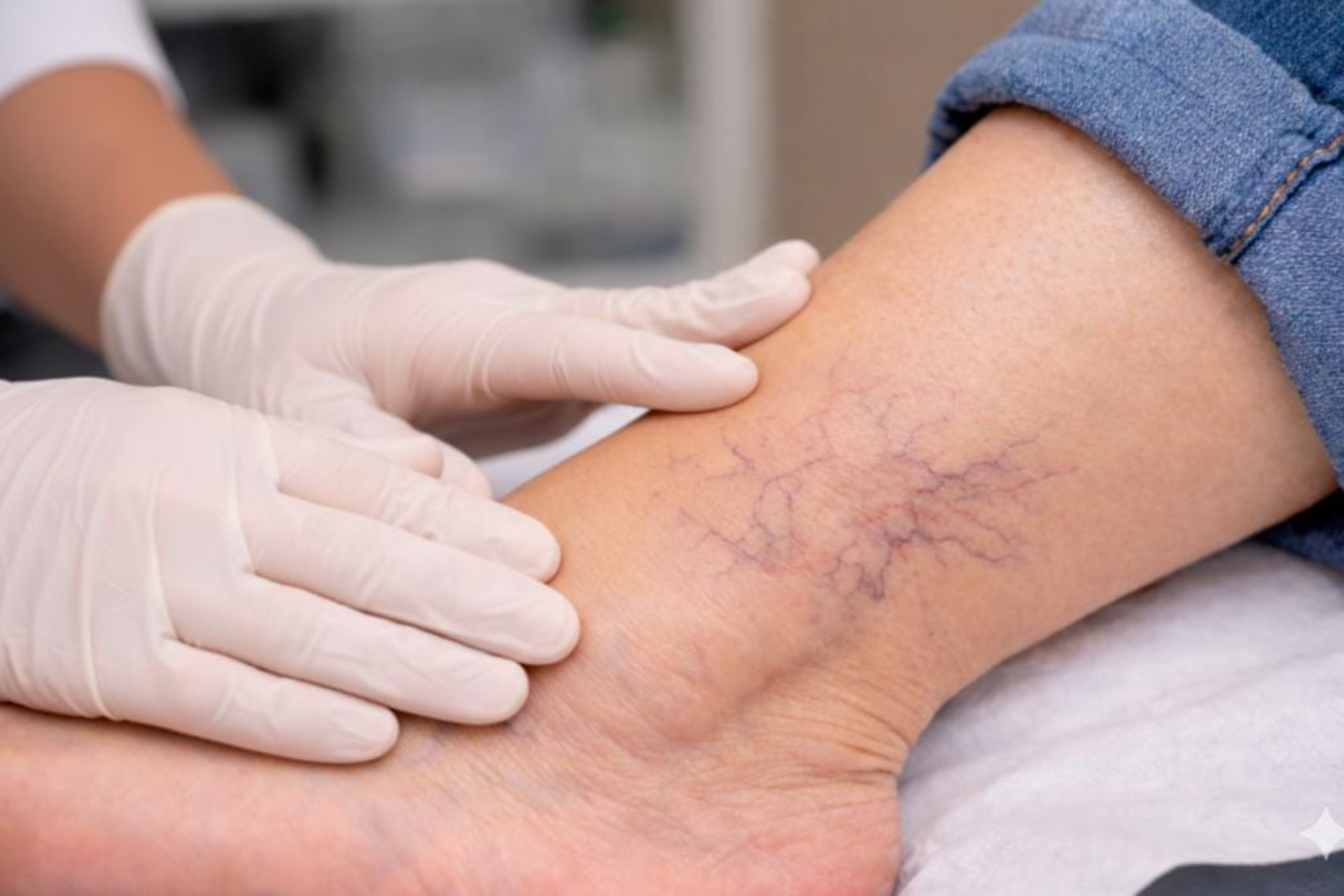
Spider veins form when the walls of small blood vessels weaken and expand. Genetics play a significant role. If your parents had spider veins, your chances of developing them are higher. Other contributing factors include prolonged standing or sitting, hormonal changes from pregnancy or birth control, weight changes, and sun exposure on the face.
When Spider Veins May Signal Vein Disease
Spider veins are often viewed as a cosmetic concern, but they can also be an early sign of chronic venous insufficiency (CVI). CVI occurs when the one-way valves inside your leg veins stop working properly, causing blood to pool instead of returning to the heart. If your spider veins are accompanied by leg swelling, aching, heaviness, or skin discoloration, there may be deeper vein disease at work. The guide to spider vein symptoms covers what patients often experience before seeking evaluation.
What Does Not Work for Spider Veins
Many home remedies are promoted as ways to reduce spider veins. Some can help manage discomfort, but none remove the damaged vessel itself. That distinction matters, because symptom relief and vein removal are different outcomes.
Can Massage Get Rid of Spider Veins?
No. Gentle massage may briefly improve circulation and reduce leg discomfort, but it cannot close or remove a damaged blood vessel. Massaging directly over spider veins may also cause bruising or temporarily worsen their appearance.
Do Natural Remedies Remove Spider Veins?
Natural remedies such as apple cider vinegar, horse chestnut extract, and essential oils are frequently discussed online as spider vein treatments. Some, like horse chestnut extract, have a small amount of research suggesting they may help reduce leg swelling or discomfort associated with venous conditions, but they do not address the damaged vessel itself.[2] Topical creams and supplements may provide temporary symptom relief, but none will fade an existing spider vein.
Regular walking, leg elevation, and compression stockings can support circulation and slow the development of new spider veins, but they do not remove the ones already present.
Spider Vein Treatments That Actually Work
Professional treatment is the only proven path to reducing or removing spider veins. The most widely used approaches are sclerotherapy and visual sclerotherapy, both outpatient procedures performed by a vein specialist.
Is Surgery Necessary to Treat Spider Veins?
No. Surgery is not used to treat spider veins. Vein specialists use minimally invasive procedures, primarily sclerotherapy and visual sclerotherapy, which are performed in a clinic without general anesthesia.
Sclerotherapy: A Common Treatment for Spider Veins
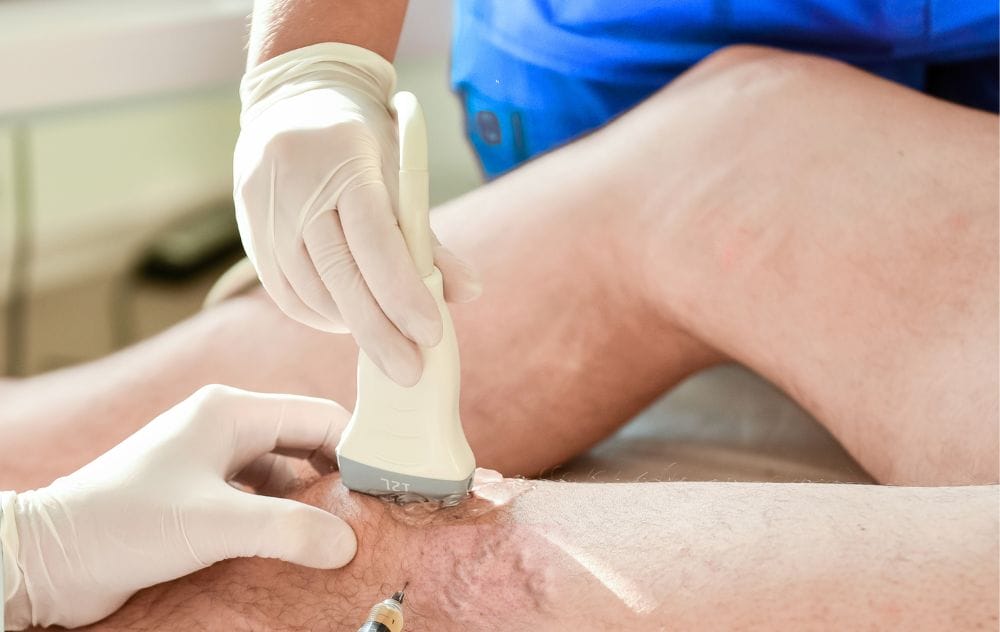
Sclerotherapy is considered the first-line treatment for spider veins on the legs and is the most widely used approach among vein specialists.[3] A vein specialist injects a sclerosing solution directly into the spider vein using a fine needle. The solution irritates the vein wall, causing the vessel to collapse and gradually be reabsorbed by the body over several weeks.
The procedure requires no anesthesia. Most patients return to normal activities the same day. Results typically develop over three to six weeks. Some spider veins need more than one session depending on their size and number.
Visual Sclerotherapy for Smaller Veins
Visual sclerotherapy uses the same injection approach but is performed under direct visual guidance rather than ultrasound. This is well-suited for small, superficial spider veins close to the skin’s surface.
Compression Therapy as Supportive Care
Compression stockings do not remove spider veins, but they can help manage symptoms and support recovery after sclerotherapy. Wearing medical-grade compression after treatment is often recommended to reduce post-procedure effects and support healing.
For a full overview of available procedures, the spider vein treatment options page explains each approach in more detail.
What to Expect from Spider Vein Treatment
How Long Does Spider Vein Removal Take?
Results from sclerotherapy typically begin to appear within three to six weeks. Smaller spider veins may start to fade sooner. Some patients need one session; others benefit from two or three depending on the extent of the veins. The process is gradual because the body needs time to reabsorb the closed vessel.
Treatment addresses existing spider veins. New ones can develop over time if underlying risk factors, such as prolonged standing, weight changes, or venous insufficiency, remain unaddressed.
Can Spider Veins Come Back After Treatment?
Treated spider veins do not return. Once a vein is closed through sclerotherapy, that specific vessel is closed. New spider veins can still form over time, particularly if underlying chronic venous insufficiency (CVI) is present. Understanding the difference between varicose veins and spider veins is also worth reviewing, since both may appear together and sometimes reflect the same underlying condition.
When to See a Vein Specialist
Spider veins that cause no symptoms can still be evaluated by a vein specialist, who can confirm whether underlying vein disease is present using a duplex ultrasound. This step is particularly relevant if you have:
- Spider veins accompanied by leg aching, heaviness, or swelling
- Spider veins that seem to be spreading or multiplying
- A family history of vein disease
- Spider veins that developed alongside varicose veins
A dermatologist or medical spa may offer surface-level cosmetic treatments for spider veins, but a vein specialist can assess whether a circulatory issue is also present. USA Vein Clinics uses duplex ultrasound as part of the evaluation process to identify whether venous reflux is contributing and to guide the most appropriate treatment approach.[4]
Treatment Options
See What’s Available for Your Spider Veins
Spider veins do not require surgery, but they do require a procedure that targets the damaged vessel directly. Massage and natural remedies do not close a spider vein.
USA Vein Clinics offers minimally invasive, outpatient vein treatments with no general anesthesia and minimal downtime. A vein specialist can evaluate your situation and explain which options may apply.
Frequently Asked Questions
- PMC – A Novel Approach for the Treatment of Spider Veins. National Institutes of Health. pmc.ncbi.nlm.nih.gov/articles/PMC4551823/
- National Institutes of Health – StatPearls: Spider Veins (Telangiectasias). ncbi.nlm.nih.gov/books/NBK563218/
- National Institutes of Health – Injection Sclerotherapy. PMC. pmc.ncbi.nlm.nih.gov/articles/PMC3036277/
- Cleveland Clinic. Spider Veins. my.clevelandclinic.org/health/diseases/24567-spider-veins
Medical disclaimer: This article provides educational information about vein disease and treatment options. It is not a diagnosis or medical advice. Only a qualified vein specialist can determine whether you have vein disease or recommend appropriate treatment. If you have leg swelling, pain, or other vascular symptoms, consult a healthcare provider or contact USA Vein Clinics for an evaluation.


