Medically reviewed by
USA Clinics Medical Review Team
Reviewed July 2026
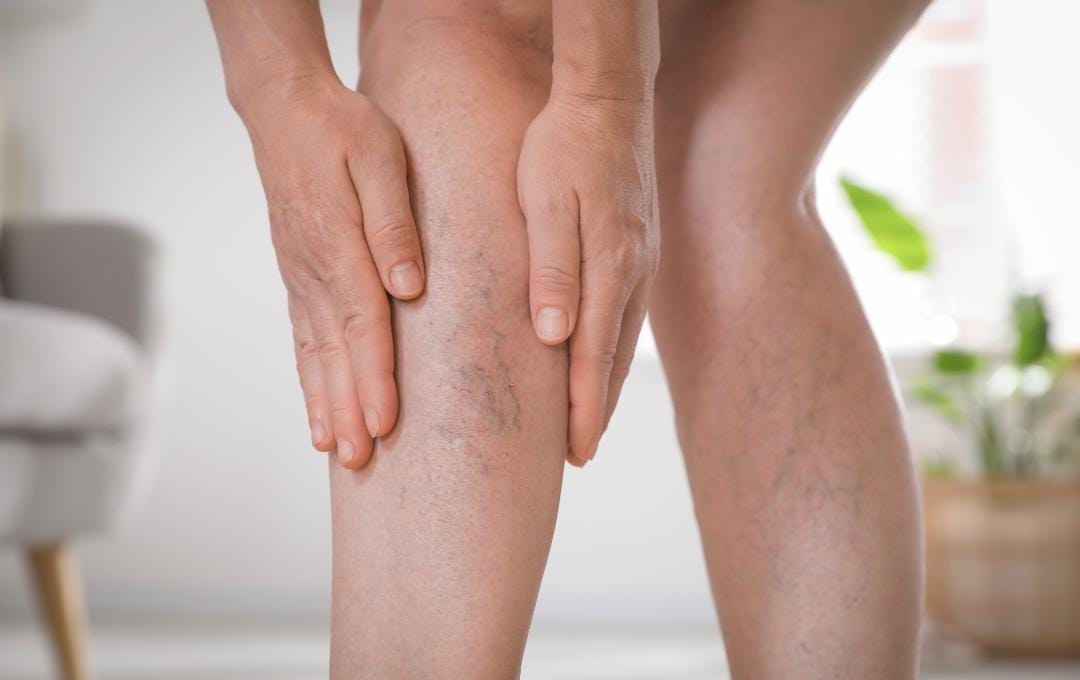
If your legs feel heavy, achy, or swollen by the end of the day, you may be noticing the earliest signs of varicose veins and wondering how to prevent them. This common vein condition develops when the one-way valves inside your leg veins weaken, allowing blood to pool and the vein walls to stretch and bulge. Genetics and a job that keeps you on your feet all day are largely out of your control, but you still have real influence over vein health: keeping healthy veins strong and slowing existing ones from getting worse.
Small daily habits can meaningfully support circulation. Movement breaks, leg elevation, and a few targeted lifestyle changes can help protect your legs over time. If you start noticing persistent swelling, sharp pain, or changes in your skin, that is usually a sign to move past home care and talk with a vein specialist.
We see a wide range of patients with varicose vein concerns, and how to reduce their risk is one of the questions our doctors hear most often.
Varicose Vein Risk Factors When Factoring in Prevention
Before getting into daily habits, it helps to separate the risk factors you can influence from the ones you cannot. Understanding chronic venous insufficiency, the underlying cause of most varicose veins, makes it clear why some risk is simply built in.
Certain risk factors are fixed:
- Genetics — if a parent or sibling has varicose veins, your vein valves are naturally more likely to weaken over time.
- Age — vein walls and valves gradually lose elasticity as you get older.
- Pregnancy — rising hormone levels and increased blood volume place extra pressure on your lower-body veins.
Other contributors are more within your reach, including body weight, activity level, and how much time you spend sitting or standing still. Knowing which risks you can and cannot change helps you focus your energy where it counts.
Daily Habits to Try to Avoid Varicose Veins and Support Circulation
The veins in your legs work hardest when you stay in one position. Since blood flow relies heavily on movement and the calf muscle pump, the most reliable way to support vein health is to keep your circulation active throughout the day.
A few habits make a meaningful difference:
- Move often — change positions frequently if your job involves long periods of sitting or standing. A short walk every hour, or simple ankle and calf flexes, helps push blood back toward the heart.
- Elevate your legs — prop your feet above heart level for 15 to 20 minutes at the end of the day to help gravity drain pooled blood.
- Stay active — activities that build calf strength, like walking, swimming, or cycling, act as a natural pump for your veins.
- Mind your footwear — high heels worn for long stretches can limit the natural pumping motion of your calf muscles.
These small, consistent adjustments help keep your veins resilient and reduce that heavy, tired feeling by the end of the day.
Exercise and Circulation: How the Calf Muscle Pump Works
Your calf muscles act as a natural pump for the veins deep in your legs. Every step, ankle flex, or calf raise squeezes those veins and pushes blood upward toward the heart. When you sit or stand still for long stretches, that pump shuts off, blood pools, and extra pressure builds on the vein valves. Low-impact exercise, such as walking, swimming, and cycling, strengthens this pump without placing hard, repetitive stress on your joints. Learn more about exercises that support vein health.
Sedentary Jobs and Prolonged Sitting or Standing
Staying in one position for hours stops the calf muscles from contracting. Without that pumping action, blood has to fight gravity on its own, which raises venous pressure and encourages pooling in the lower legs. Over time, that steady pressure stretches vein walls and strains the valves, one of the key mechanisms behind vein disease.
This pattern shows up often in sedentary jobs, contributing to what many patients describe as varicose veins from standing all day, or aching, tired legs after sitting for long stretches. A few workday habits can offset this:
- Take micro-breaks — if you sit at a desk, stand and stretch or walk for water every 30 to 45 minutes.
- Shift your weight — if you stand in one spot for work, alternate your weight between feet or lift your heels periodically to activate your calves.
Interrupting long stretches of stillness, even briefly, is one of the most practical daily habits for supporting vein health.
Long Flights, Road Trips, and Desk Job Circulation Tips
Whether you are working at a desk or on a long flight or road trip, staying still for extended periods encourages blood to pool in the legs. Walking every one to two hours, flexing your ankles while seated, and avoiding crossing your legs for long stretches all help keep circulation moving.
Leg Elevation to Relieve Venous Pressure
After a long day, especially one spent mostly on your feet, gravity works against your lower-leg circulation. Elevating your legs above heart level reverses that effect, making it easier for pooled blood to drain back toward your torso and easing pressure on veins already affected by chronic venous insufficiency.
Note: leg elevation offers temporary relief and ongoing support, not a lasting fix for damaged vein valves.
Diet, Hydration, and Vein Health
What you eat and drink also plays a supporting role in vein health. Straining during bowel movements raises pressure in the abdomen that travels down into the leg veins over time, so a fiber-rich diet that reduces constipation indirectly protects your veins as well. Bioflavonoids, found in dark berries, leafy greens, and citrus fruits, may help strengthen vein walls and calm inflammation. See our guide on foods that improve circulation for more detail.
Staying well hydrated supports healthy blood volume and easier circulation, though hydration plays a smaller role than movement, valve function, and muscle activity when it comes to keeping blood from pooling in the lower legs.
Compression Stockings for Varicose Vein Prevention
Compression stockings remain one of the most consistently recommended tools for supporting vein health, particularly during long periods of standing or sitting. They apply graduated pressure, tightest at the ankle and gradually looser higher up the leg, which helps guide blood back toward the heart.
A common question: can compression stockings stop varicose veins from forming in the first place? They cannot reverse existing varicose veins, but they are effective at slowing progression and easing the heavy, achy sensation that comes with long periods of standing or sitting. Mild, over-the-counter compression is a reasonable starting point for most people; higher compression levels are best chosen with a doctor’s guidance and proper fitting.
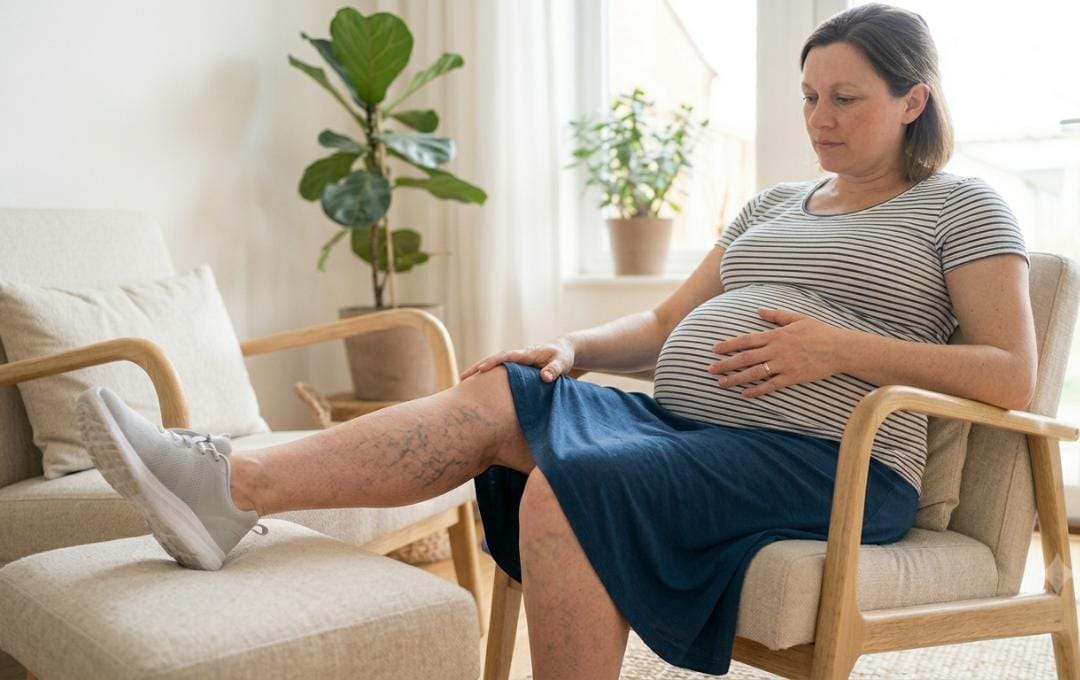
How to Prevent Varicose Veins During Pregnancy
Varicose veins are common during pregnancy because of the added blood volume and hormonal shifts that place extra strain on vein walls. While this is a fairly typical part of pregnancy, a few proactive steps early on may help ease that pressure:
- Elevate your legs above your heart while lying down.
- Stay active with exercise that raises your heart rate, as your doctor recommends.
- Change positions often, including while working.
- Drink plenty of fluids throughout the day.
- Wear compression stockings to reduce pressure on your veins.
Signs Vein Disease Is Progressing Beyond Home Prevention
Daily habits are a strong first line of defense, but they cannot repair a vein valve that has already failed. If you notice any of the following, it is usually a signal to move from home care to a professional evaluation:
- Persistent symptoms — constant, heavy throbbing, severe leg cramps, or swelling that does not ease with elevation.
- Skin changes — dryness, itching, hardening, or a dark brownish discoloration around the lower legs or ankles.
- Surface changes — veins that become tender, warm, red, or bleed after a minor bump.
Catching vein disease early opens the door to minimally invasive, outpatient treatments such as Endovenous Laser Therapy (EVLT) or Varithena, which seal off diseased veins and redirect blood flow to healthier pathways nearby.
Minimally Invasive Varicose Vein Treatment Options
When lifestyle habits are not enough on their own, vein specialists use painless duplex ultrasound to map your individual vein anatomy and recommend a targeted treatment. Options include:
- Endovenous Laser Therapy (EVLT)
- Radiofrequency Ablation (RFA)
- VenaSeal™ Closure System
- Ultrasound-Guided Sclerotherapy
- ClariVein® Treatment
- Varithena Vein Treatment
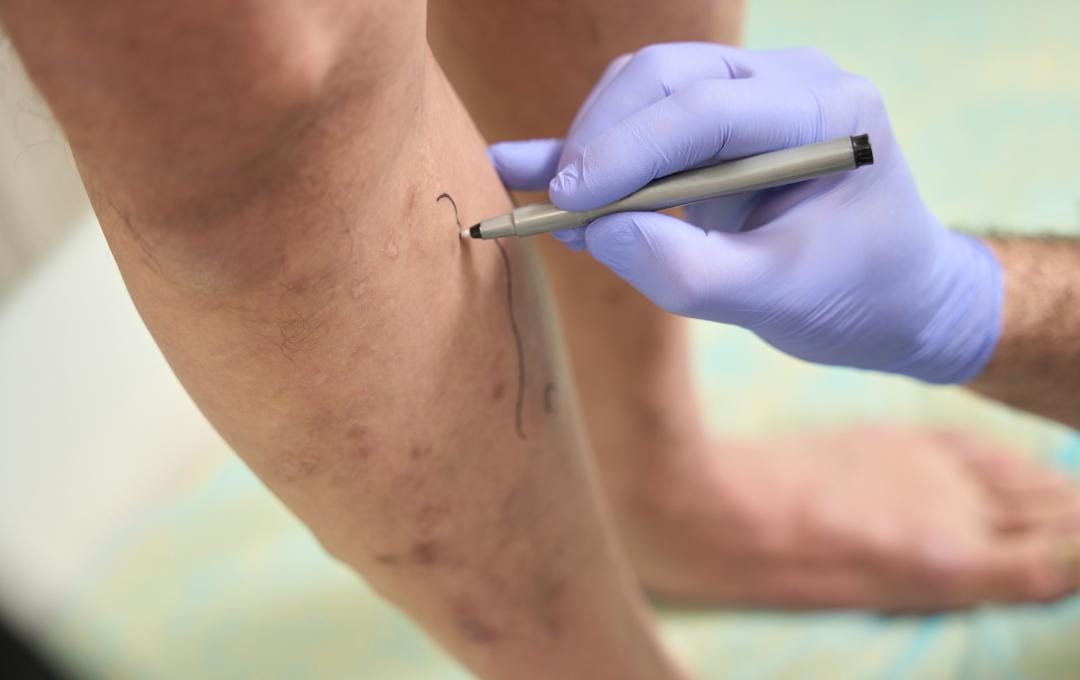
Each of these outpatient procedures takes under an hour, uses only local anesthesia, and closes off the malfunctioning vein so blood can reroute through healthier pathways nearby. See our full varicose vein treatment options for details on each.
Find Varicose Vein Relief
Daily habits help. They do not treat the underlying vein disease.
Managing your vein health should not be complicated or stressful. At USA Vein Clinics, we handle the details so your care feels seamless: most major insurance is accepted, including some Medicare and Medicaid, and appointment availability is fast so you can talk with a vein specialist right away.
With over 160 locations nationwide, it is easy to book a consultation online or by phone at a clinic near you. Take the first step toward healthier legs today.
FAQs About Preventing Varicose Veins
- Eklof, B., et al. “Classification and Diagnosis of Chronic Venous Disease,” Journal of Vascular Surgery.
Medical disclaimer: This content is for informational purposes only and is not a substitute for professional medical advice, diagnosis, or treatment. Always seek the advice of your physician or another qualified health provider with any questions you may have regarding a medical condition.