

Thread vein removal is the treatment of small, damaged veins, often called spider veins, near the skin’s surface. These minimally invasive procedures, including sclerotherapy and laser therapy, work by closing the thread vein, allowing the body to naturally absorb it.
While many individuals seek thread vein removal for aesthetic reasons, these visible veins can indicate an underlying condition that requires a more thorough evaluation. Recognizing the distinction between cosmetic and health concerns can help patients make informed decisions about their treatment.
Understanding What Thread Veins Are
You may have heard them called thread veins, spider veins, or telangiectasias, but they all refer to the same thing. Thread veins are tiny blood vessels (less than 1mm in diameter) that have become dilated and visible through the skin. These veins typically appear as red, blue, or purple web-like patterns on the face, body, and legs.
What Causes Thread Veins to Appear
Thread veins or spider veins appear when the internal structure of tiny veins near the surface of the skin weakens. As the veins expand, they become prominent. Genetics and lifestyle are often associated with thread veins; however, thread veins can also develop because of biological changes over time.
The following biological and lifestyle factors are some of the causes for spider veins or thread veins:
- Genetics: Approximately 40 to 90 percent of people with visible spider veins have a family history of the condition.
- Hormonal Shifts: Pregnancy, menopause, and the use of hormonal birth control can weaken veins and cause them to expand.
- Behavioral Patterns: Prolonged standing or sitting increases pressure and dilates the veins.
- Environmental Damage: Sun exposure and extreme temperature changes can cause facial thread veins.
- Age: As we get older, our skin thins and our veins naturally weaken, making veins appear more prominent.
- Weight: Carrying excess weight adds pressure on the veins, increasing the likelihood of spider veins.
These risk factors are also common to vein disease or chronic venous insufficiency. This condition occurs when valves inside the veins of the legs become damaged over time. This causes blood to pool in the legs, contorting and twisting the veins. Spider veins may appear first; however, varicose veins may start to form as the condition progresses and carry symptoms such as leg pain, swelling, fatigue, and heaviness.
Experiencing Symptoms? Take the Quiz
How Does Thread Vein Removal Work?
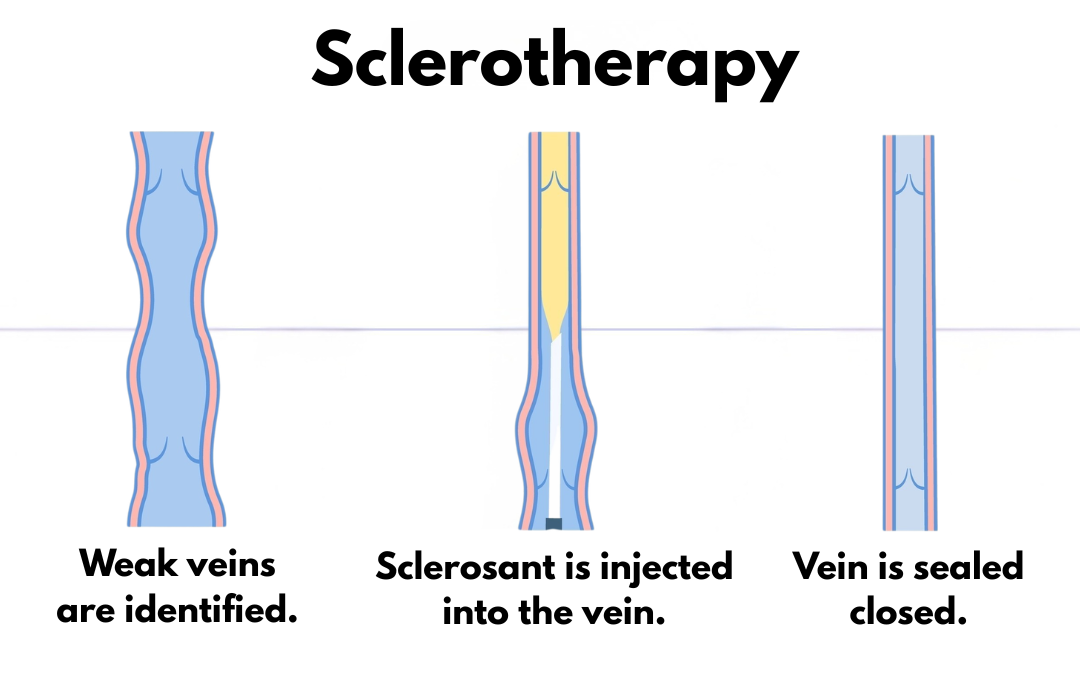
Modern thread vein treatment focuses on non-surgical, outpatient methods that allow patients to return to their daily lives immediately.
Sclerotherapy for Thread Veins
Sclerotherapy is considered the “gold standard” treatment and the best way to remove spider or thread veins on the legs. During this procedure, a vein specialist uses a tiny needle to inject a chemical solution (sclerosant) directly into the damaged vein. The solution irritates the vein lining, causing it to collapse and seal shut.
Thread Vein Removal vs. Spider Vein Treatment
Because these terms describe the same condition, there is no clinical difference between thread vein removal and spider vein treatment. However, the approach may change based on the veins’ location.
Light-based therapies like pulsed dye laser (PDL) or intense pulsed light (IPL) are often preferred for facial thread veins. This is because facial veins are closer to the brain and eyes, which can make treatments such as sclerotherapy potentially dangerous. Light-based therapies are more appropriate for the face because they allow precise targeting without serious risks.
Spider veins on the legs respond best to sclerotherapy because these veins undergo the highest pressure, mainly due to gravity. There is also a higher chance that these veins are “fed” by larger varicose veins deeper inside the legs that a light-based laser can’t reach.
USA Vein Clinics specializes in sclerotherapy because spider veins on the legs can often indicate vein disease. If a vein specialist identifies hidden varicose veins that are feeding spider veins, other vein treatments may be used at the same time to address accompanying symptoms.
Is Thread Vein Removal Painful?
Most patients describe thread vein removal as a mild and brief stinging, tingling, or heat sensation. In sclerotherapy, the needles are extremely fine, so there’s minimal discomfort for only a few minutes. Patients can drive themselves home shortly after treatment and can return to daily activities the same day.
What to Expect After Thread Vein Treatment
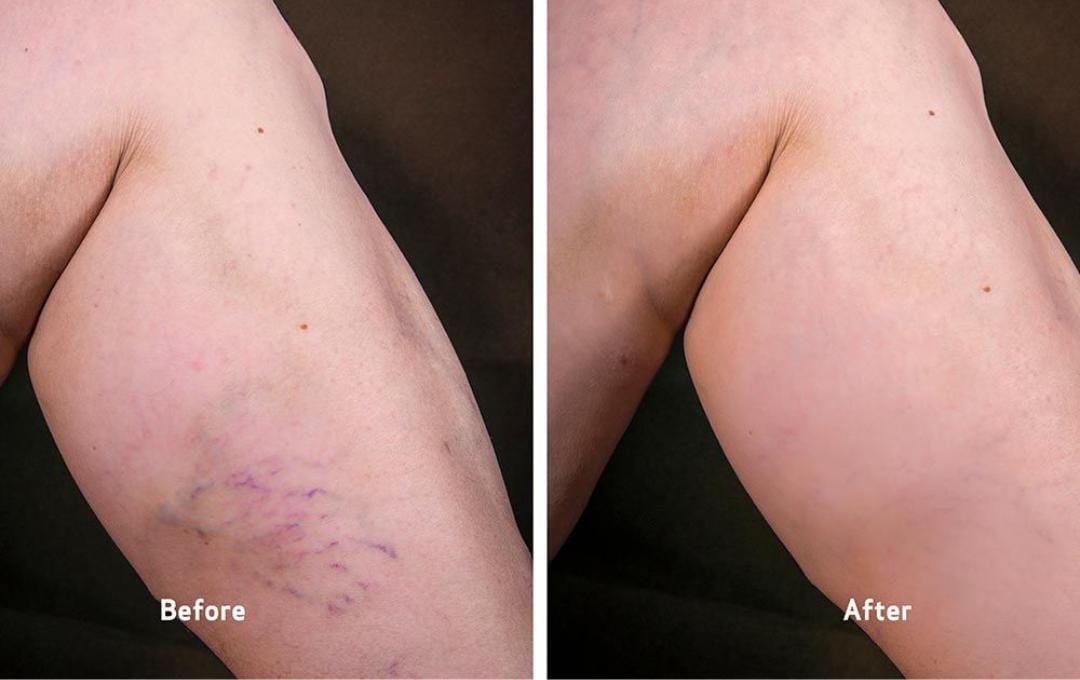
If you’ve watched videos of spider vein treatments before, you may notice immediate results. The solution used in sclerotherapy injections will irritate the vein, causing it to collapse and disappear instantly. However, you may still see remnants of the vein. This is normal and will gradually fade over the next several weeks.
Here’s what to expect after a thread vein treatment:
- Compression: You may be asked to wear compression stockings for a brief amount of time to support the treated veins.
- Healing: The treated veins may appear bruised before gradually fading over 3 to 6 weeks.
- Activity: Light walking is encouraged to support circulation, but heavy aerobic exercise should be avoided for a few days.
When to Seek Treatment for Thread Veins
While many patients seek thread vein treatment based on cosmetic concerns, patients should also consult a vein specialist if they experience physical symptoms, such as:
- Leg heaviness or fatigue at the end of the day.
- Itching or burning sensations near the veins.
- Swelling in the ankles or feet.
These symptoms often indicate underlying vein disease, which sclerotherapy can treat. Once the veins are treated, leg pain, swelling, fatigue, and other symptoms of vein disease will subside. Blood will also reroute through healthier veins, improving circulation and helping the legs heal from treatment.
Why Choose USA Vein Clinics for Thread Vein Removal
As the largest network of vein treatment centers, USA Vein Clinics offers a standard of care that balances clinical expertise with patient convenience. Each clinic is recognized by the Intersocietal Accreditation Commission (IAC), ensuring patients receive accurate diagnoses and treatment plans that prioritize safety and comfort.
Our vein specialists are leaders in their field, meeting the highest standards of professional training. This expertise ensures they are experienced and qualified to treat spider veins with minimally invasive procedures. These treatments can be personalized to fit each patient’s condition and needs.
With over 160 locations nationwide, vein care has become widely accessible. If you are concerned about thread veins on your legs, schedule a consultation at a vein clinic near you.
Find a Vein Specialist Near You
FAQs
Can you get rid of thread veins permanently?
Specific thread veins treated with sclerotherapy or laser therapy are destroyed and cannot “reopen.” However, new thread veins can develop in the future if underlying vein disease is present.
Can I get rid of thread veins myself?
There are no proven “DIY” remedies that can help you get rid of thread veins yourself. Medical treatments such as sclerotherapy can help seal these veins shut and prevent thread veins from worsening.
How much does it cost to have thread veins removed?
The cost of thread vein removal is based on the number of sessions required and the area being treated. If a vein specialist confirms that the thread veins are linked to vein disease, treatment may be covered by insurance.
Do thread veins worsen with age?
Thread veins can worsen with age. Veins naturally weaken over time as the skin thins and loses elasticity, increasing the likelihood of thread veins.


