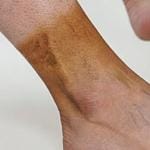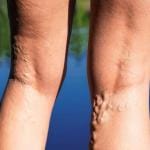

If you notice veins on your legs becoming more prominent, you may be worried whether those visible veins are the start of varicose veins.
But, how can you tell if varicose veins are starting?
The earliest signs of varicose veins are often small visual changes and mild leg discomfort, such as cramping, fatigue, and heaviness. These signs may seem minor, but they may indicate underlying issues such as vein disease.
Recognizing early signs of varicose veins matters because if they are symptomatic, the condition can gradually worsen. Understanding these vein symptoms can also help guide patients toward the right care before symptoms start to impact daily life.
A Visual Look at Early-Stage Varicose Veins
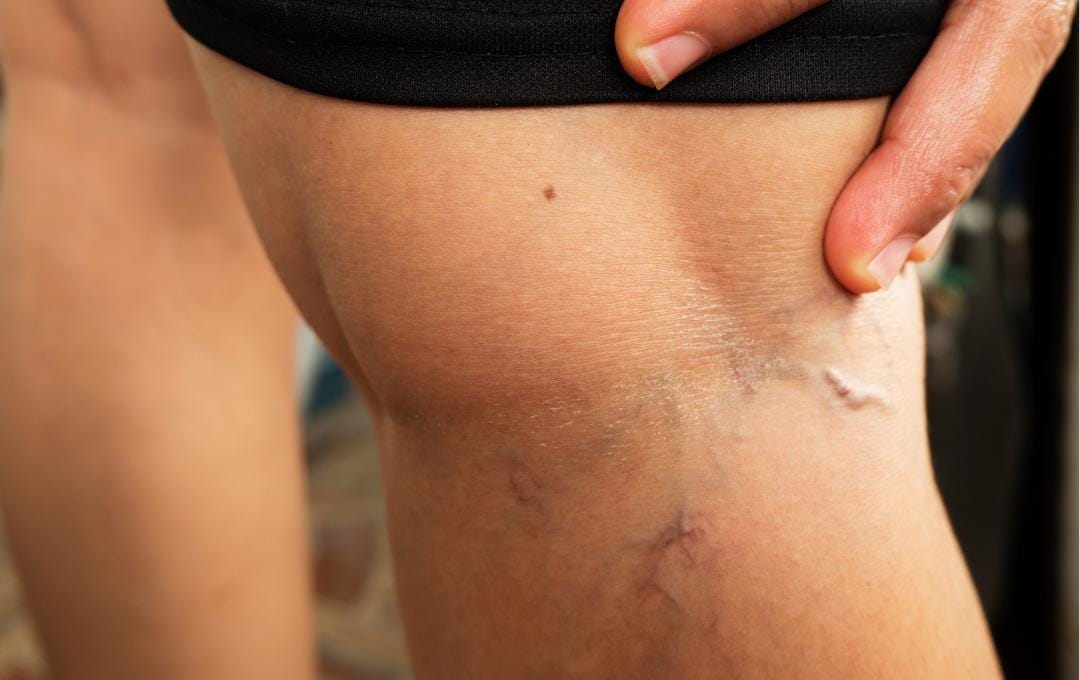
Early-stage varicose veins may appear as small, blue, purple, or reddish veins beneath the skin. The veins may appear slightly enlarged or raised but not yet large, twisted, or rope-like.
As varicose veins progress, they can swell, bulge, and contort. Even when the veins don’t look severe, symptoms like heaviness, aching, burning, or itching in the legs may be present.
If you’re considering a leg tattoo, it’s important to have visible veins evaluated first. Learn whether it’s safe to tattoo over varicose veins and why treating vein disease beforehand is often recommended.
Early-Stage Varicose Veins Symptoms
Early-stage varicose vein symptoms are not always obvious. For some people, the first signs feel like everyday leg tiredness, mild swelling, or discomfort after standing or sitting for long periods. Because these symptoms can seem insignificant at first, many people delay getting checked until visible veins become more noticeable or discomfort starts affecting daily routines.
Common early signs of varicose veins include:
- Mild pain and swelling in the lower legs
- Minor heaviness in the legs after extended periods of standing or sitting
- The appearance of small, web-like veins (spider veins)
If you are experiencing these symptoms, your visible veins may indicate an underlying condition.
What Causes Varicose Veins?
Varicose veins, whether in their beginning stages or advanced stages, are caused by malfunctioning valves inside the veins of the legs. These valves usually help blood move against gravity toward the heart. When the valves weaken or the veins expand due to situations such as pregnancy or hormonal changes, blood can flow backwards and remain in the legs. This adds pressure to the vein, stretching it until it becomes visible under the skin.
Several factors can increase the risk of early-stage varicose veins, including age, pregnancy, excess weight, and jobs or routines that involve prolonged standing or sitting. Family history can also play a major role—if one parent has varicose veins, the children are inherently at risk later in life. The number of risk factors an individual has can also influence the likelihood of developing varicose veins.
Learn More About Varicose Vein Risk Factors
Are Varicose Veins a Sign of Something More Serious?
Varicose veins can be a sign of an underlying circulation issue, such as vein disease or chronic venous insufficiency (CVI). CVI is a condition where the valves inside the veins become damaged, resulting in permanent vein dysfunction. Blood pools in the legs as a result, leading to symptoms such as:
- Swelling
- Aching, throbbing, or discomfort
- Fatigue or “heavy” sensations
- Skin irritation, such as itching or burning
- Difficulty standing or sitting for long periods of time
Why Early Detection Matters
The reason that early detection matters is that varicose veins often progress gradually. What starts as mild discomfort or a small visible vein can turn into more persistent symptoms over time. Treating early-stage varicose vein symptoms promptly may help patients avoid complications.
What Happens If Varicose Veins Are Left Untreated?
When varicose veins are left untreated, symptoms can worsen and start to affect the skin. The skin may appear dry and flaky. The affected area may also become discolored and the skin can break down, leading to open wounds. These wounds can be slow to heal or not heal at all, increasing the risk of infection.
The increased risk of skin changes further emphasizes the importance of screenings for early signs and symptoms of varicose veins. An evaluation can lead to better health outcomes, even if symptoms seem manageable now.
While uncommon, advanced vein disease may also increase the risk of certain vein complications. Learn whether varicose veins can turn into deep vein thrombosis (DVT), how these conditions are related, and which symptoms require immediate medical attention.
Treatments for Early Signs of Varicose Veins
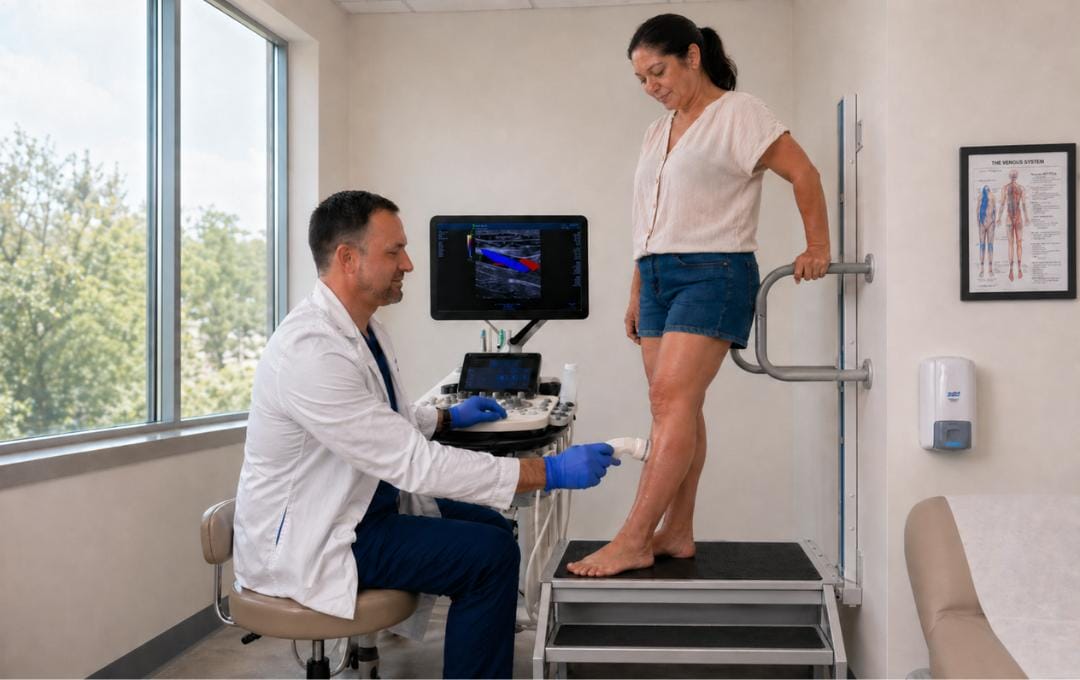
Treatments for the early signs of varicose veins can vary depending on each patient’s condition and needs. In the beginning stages, compression socks may be recommended to manage coexisting symptoms. Regular walking, leg elevation, weight management when appropriate, and avoiding long periods of sitting or standing may be recommended.
Lifestyle habits may also influence how your legs feel from day to day. Learn how alcohol affects varicose veins and whether drinking can temporarily contribute to swelling, heaviness, or other vein symptoms.
If symptoms persist or worsen despite conservative care, a vein specialist may recommend a minimally invasive treatment. These vein treatments don’t require incisions, which helps lower the risk of post-procedural complications associated with surgery. Treatments such as VenaSeal™ or endovenous laser treatment (EVLT) are also designed for the modern schedule. Patients can drive themselves to and from their appointment the same day.
If you are wondering what recovery is actually like, learn what life after varicose vein treatment looks like, including when most patients notice symptom relief, what to expect during recovery, and how treatment has improved daily life for real patients.
Explore Your Treatment Options
Why Choose USA Vein Clinics for Early Treatment
Getting treatment for early-stage varicose veins can do more than improve how your legs look. For many patients, it can mean less aching, heaviness, swelling, and discomfort in the legs at the end of the day. Addressing the underlying vein issue can help prevent more noticeable skin changes or ongoing circulation problems.
At USA Vein Clinics, the goal is to help patients feel better and move more comfortably before vein symptoms start affecting everyday life. When treatment is recommended, minimally invasive options can target the varicose veins without the long recovery. Patients can get back to their routine with less disruption.
We accept a wide variety of insurance plans, which can make it easier to take the next step toward care. Insurance verification is offered during the scheduling process so that patients can understand their coverage before their appointment.
If you’ve started noticing early signs of varicose veins, schedule a consultation with a vein specialist and find out what treatment options may be right for you.
Schedule Your Consultation Today
FAQs
Can you reverse the early signs of varicose veins?
You cannot reverse early signs of varicose veins because damaged veins do not repair themselves. However, symptoms such as leg pain, swelling, and fatigue can often be managed through minimally invasive procedures such as endovenous laser treatment (EVLT) that redirect blood to flow through healthier veins, reducing discomfort.
Can varicose veins just suddenly appear?
Varicose veins can seem to appear suddenly, especially after pregnancy, weight changes, or long periods of standing. In many cases, the underlying vein issue has been developing gradually before the veins become more noticeable.
What is stage one of varicose veins?
“Stage one” of varicose veins is the earliest sign, which includes small, prominent veins or mild symptoms like heaviness and aching. In practical terms, it usually refers to vein changes that are just beginning to become noticeable.
How can you tell if varicose veins are starting?
A good way to tell if varicose veins are starting is to pay attention to a combination of visual and physical symptoms. Signs may include small visible veins, veins that begin to bulge, aching legs, heaviness, itching, nighttime cramps, or mild swelling that gets worse later in the day.