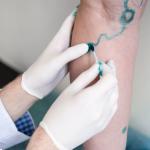

Many cuts and sores start to heal on their own within a few days. When a wound on your lower leg doesn’t heal, it may be a sign of a condition called venous leg ulcers. These slow-healing wounds develop when poor circulation causes increased pressure in the leg veins, damaging the surrounding skin.
In the early stages of leg ulcers, symptoms may include skin discoloration, swelling, itching, or small open sores near the ankles. These changes can resemble bruises or rashes, making it difficult to recognize the warning signs of an underlying vein condition.
Identifying venous ulcers early is important because untreated wounds can grow, become infected, and cause severe pain.
USA Vein Clinics can evaluate the underlying vein disease that contributes to venous ulcers. Early treatment may help improve circulation, support wound healing, and reduce the risk of additional ulcers. Contact us today to make an appointment with our vein specialists.
Identifying Early Venous Leg Ulcers
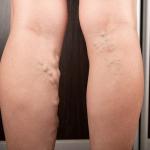
Venous leg ulcers are the result of poor circulation and vein health conditions. Symptoms of vein disease, such as varicose veins, will develop before venous ulcers appear. Venous ulcers will typically appear between the knees and ankles.
Early venous leg ulcers cause noticeable symptoms when they first develop. Recognizing these early signs can help determine when to seek professional care.
What Do Early Venous Leg Ulcers Look Like?

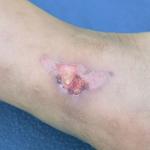
In the early stages, leg ulcers may begin as small, shallow wounds near the ankles, particularly on the inner side of the lower leg. The surrounding skin may appear red, brown, or purple, with swelling and inflammation.
Before an ulcer opens, the skin may resemble a rash or bruise. It can also become dry, itchy, thickened, or tender due to increased pressure in the leg veins.
Once an ulcer forms, the wound may have an irregular shape and a moist, red or yellowish surface. Some ulcers release clear or yellowish fluid, causing the surrounding skin to become irritated.
Without proper treatment, venous ulcers can enlarge, become deeper, or remain open for weeks or months. Recognizing these changes in the early stages of leg ulcers can help patients seek treatment before the wounds worsen.
Symptoms of Early Leg Ulcers
Early-stage ulcers can sometimes leak pus, while later-stage ulcers are more prominent and spread. Early venous leg ulcers can lead to discomfort while walking, along with the following symptoms:
- Skin discoloration: Red, brown, and purple patches that often appear around the ankles and lower legs.
- Changes to skin texture: Texture changes, such as skin hardening and thickening, can make the skin feel tight.
- Swelling: Swollen legs and ankles that can be worse after extended periods of standing.
- Burning and itching: Itching and burning of ulcer sites and surrounding areas.
- Pain: Pain and inflammation of the ulcer site.
- Discharge: Fluid discharge from the ulcer.
Without treatment, early venous leg ulcers can lead to an infection. When a leg ulcer is infected, patients experience worsened pain and fever, and the discharge can look green and smell foul. Seek immediate medical attention if your leg ulcer is infected. If symptoms of early-stage venous leg ulcers are treated promptly, it can lead to reduced pain and faster healing. USA Vein Clinics uses advanced, state-of-the-art interventional radiology techniques to target veins causing venous ulcers and treat them, reducing the risk of infection.
What Are the Warning Signs Before a Venous Leg Ulcer Forms?
Before a venous leg ulcer develops, the skin often shows signs of poor circulation. These changes can occur weeks, months, or even years before an open wound appears.
Common warning signs include:
- Persistent leg swelling: Swelling around the ankles and lower legs, especially after standing or sitting for long periods.
- Brown or reddish skin discoloration: Increased pressure in the veins can cause red blood cells to leak into surrounding tissues, leaving brownish patches on the skin.
- Dry, itchy, or irritated skin: Venous stasis dermatitis can cause inflammation, flaking, and itching around the ankles.
- Thickened or hardened skin: Long-term inflammation may cause the skin and underlying tissue to become firm or tight.
- White patches around the ankles: A condition called atrophie blanche can cause small, white, scar-like areas surrounded by discolored skin.
- Small areas of skin breakdown: Fragile skin may develop cracks or shallow wounds that can progress into venous ulcers.
These symptoms are particularly important for people with chronic venous insufficiency or varicose veins.
Recognizing these warning signs before a wound develops may help prevent complications. If you notice persistent swelling, discoloration, or changes in your skin’s texture, schedule an evaluation with a vein specialist.
How Do Early Venous Leg Ulcers Develop?
Early venous leg ulcers result from chronic venous insufficiency (CVI), a condition that damages and weakens the valves that control blood flow. Vein valves prevent blood from traveling backward through the veins. When they are damaged, blood cannot flow from the legs to the heart, leading to blood pooling in the legs.
Pooled blood in the legs increases pressure in the veins. This pressure forces fluid to leak out of the veins and into the surrounding tissues, leading to leg swelling, also called edema. Swelling and increased vein pressure stop oxygen and nutrients from reaching the tissues and skin, resulting in an ulcer.
Why Early Detection of Leg Ulcers Matters

It’s wise to seek treatment when leg ulcers first appear, as untreated ulcers can lead to complications such as:
- Infections: When a patient with a leg ulcer neglects to keep their wound clean, their risk of infection increases. In severe cases, the infection can cause the affected tissues to die, which may lead to amputation to save the patient’s life.
- Pain: Ulcers can lead to chronic pain, reducing mobility.
- Cellulitis: A bacterial infection of the skin and underlying tissue. It causes the skin to become inflamed and red, and the infection can spread rapidly, risking a patient’s life if not treated immediately.
Being proactive with regular vein health screenings can help identify potential issues early on, allowing for timely intervention and reducing the risk of serious health complications. With nationwide clinics and the acceptance of most insurance plans, USA Vein Clinics makes it easy to prioritize your health. Contact us today at 888.768.3467 to schedule a screening.
Early Stage Venous Leg Ulcer Treatment
Treating vein disease will also treat a venous ulcer. A vein specialist can use minimally invasive treatments, such as lasers, injections, and heat, to collapse damaged veins and redirect blood flow to healthier veins. Healthy blood flow can heal early-stage venous ulcers and prevent new ulcers from forming.
USA Vein Clinics offers the following treatments for early-stage venous leg ulcers and late-stage venous ulcers:
- Endovenous Laser Vein Treatment
- ClariVein®
- Varithena
- Ultrasound-Guided Sclerotherapy
- VenaSeal™
- Radiofrequency Ablation
- Visual Sclerotherapy
Each case of vein disease and venous ulcers is different and may require a specific treatment plan to heal venous ulcers. A vein specialist can determine the best treatment for you when you come in for a consultation.
When to See a Vein Specialist for Leg Ulcers

It’s important to see a specialist if you experience any early symptoms of leg ulcers. Early treatment for vein disease and venous ulcers significantly improves healing and reduces complications. Patients with venous ulcers often experience significant relief from pain and discomfort following treatment. Furthermore, recovery time is typically short, allowing individuals to return to normal activities more quickly.
Don’t let a venous ulcer grow and spread. Schedule a consultation today to start healing. USA Vein Clinics has locations nationwide and works with most insurance providers. When you schedule online, our tool will align your insurance with the closest vein clinic near you.
Schedule Your Appointment Today