
Medically reviewed by
USA Vein Clinics Medical Review Team
Vascular Surgeons and Vein Specialists
Reviewed: September 2026
The early warning signs of chronic venous insufficiency include achy or heavy legs, mild ankle swelling by the end of the day, and the first appearance of spider veins or small varicose veins. These symptoms are easy to mistake for ordinary fatigue, which is why chronic venous insufficiency (CVI) is frequently overlooked in its early stages.
Catching these signs early enables simpler outpatient treatment and lowers the risk of skin changes, blood clots, and venous ulcers that can develop if reflux goes unaddressed.
Importance of Spotting the Early Signs of CVI
Chronic venous insufficiency develops when one-way valves inside leg veins weaken and fail to close properly. Instead of flowing upward to the heart, blood pools in the lower legs and elevates intravenous pressure. This reflux drives nearly every CVI symptom, from dull aching to progressive swelling.
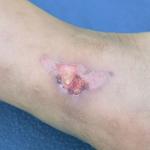
Prompt identification helps halt disease progression. Left untreated, early swelling and cramping can advance to intractable pain, skin hyperpigmentation, and difficult-to-heal venous stasis ulcers. A prompt clinical evaluation allows patients to pursue conservative care or minimally invasive interventions early. For a detailed breakdown of disease progression, read our guide to the stages of chronic venous insufficiency.
How Early Signs Differ From Advanced CVI
Early signs are intermittent, typically surfacing after long hours of sitting or standing and easing with rest. Advanced symptoms like non-pitting edema, leathery skin hardening, and active ulcerations remain persistent throughout the day. Because the gap between early and advanced stages can span years, timely recognition is crucial.
What Are the Early Warning Signs of Chronic Venous Insufficiency?
Achy, Heavy, or Tired Legs
A dull ache or sensation of weight in the calves, particularly late in the day, is often the first functional sign of reflux. Symptoms typically subside with leg elevation, signaling circulatory insufficiency rather than simple musculoskeletal fatigue.
Mild Swelling Around the Ankles
Early-stage edema concentrates around the ankles and lower calves after prolonged immobility. While this swelling usually recedes overnight, it will continually recur each day until the underlying valve dysfunction is treated.
Spider Veins and Small Varicose Veins
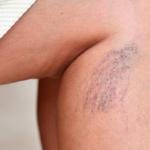
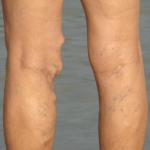
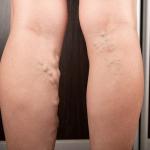
Superficial telangiectasias (spider veins) and early reticular or varicose veins provide visual evidence that venous pressure is elevating. Even when asymptomatic, visible surface vessels warrant clinical screening.
Leg Cramping or Restlessness at Night
Nocturnal calf spasms and leg restlessness frequently stem from venous pooling, especially when the urge to move or elevate the limbs relieves the discomfort.
Why Early Detection of Venous Insufficiency Matters
Chronic venous insufficiency does not resolve on its own. Addressing valve breakdown in its early stages broadens your procedural options and protects against long-term dermal breakdown. Delaying evaluation allows sustained venous hypertension to weaken local tissue integrity over time.
Prompt consultation gives you access to a wider variety of targeted therapies designed for early presentation. To learn more about clinical standards for diagnosis and care, review our complete overview of chronic venous insufficiency.
How Vein Specialists Confirm Early CVI
Diagnosis begins with a symptom review and a standing physical examination to observe gravity-dependent venous distention. The gold standard for confirmation is a painless duplex ultrasound, which maps blood flow direction and measures exact reflux times across specific valves before irreversible damage occurs.
What Is the Best Treatment for Early Venous Insufficiency?
Early-stage CVI responds well to non-surgical, outpatient modalities, including endovenous laser treatment (EVLT), radiofrequency ablation (RFA), VenaSeal, Varithena, and ultrasound-guided sclerotherapy. These techniques close malfunctioning pathways, rerouting circulation into healthy deep veins. Your vein specialist will recommend the right protocol based on ultrasound mapping.
Conservative methods, including graduated compression stockings and structured calf-muscle exercise, also help manage everyday swelling and support healthy venous return.
Next step
Speak with a Vein Specialist About Early Signs of CVI
If leg heaviness, evening swelling, or new spider veins are disrupting your day, a vein evaluation can deliver clear answers. USA Vein Clinics offers on-site duplex ultrasound screenings and personalized treatment plans to address venous reflux at the root.
All therapies are minimally invasive, performed in an outpatient clinic setting, and require virtually no downtime, allowing most patients to resume normal routines immediately.