

Are your legs feeling heavy, swollen, or tired by the end of the day?
Elevating your legs above heart level is one of the simplest and most effective ways to improve circulation, reduce swelling, and relieve pressure inside the leg veins. By helping blood and excess fluid move back toward the heart, leg elevation can ease discomfort associated with vein problems such as varicose veins and chronic venous insufficiency.
Is Elevating Your Legs Good for Circulation?
Yes. Elevating your legs above heart level improves venous blood flow, reduces fluid buildup (edema), and lowers strain on vein valves especially after prolonged sitting, standing, travel, or exercise.
For this reason, vein specialists often recommend leg elevation to:
- Reduce leg and ankle swelling
- Relieve heaviness, aching, and pressure
- Improve venous circulation
- Support recovery after exercise or long-distance travel
Stay Informed on Your Health—Sign Up For Our Newsletter
What Happens When You Elevate Your Legs?
When your legs are elevated above heart level, gravity assists venous return, allowing blood that has pooled in the lower extremities to flow back toward the heart more efficiently. This reduces pressure inside the leg veins, a key factor behind swelling, heaviness, and discomfort.
Leg elevation helps:
- Reduce blood pooling in the lower limbs
- Decrease fluid retention in surrounding tissues
- Lower strain on weakened vein valves
- Improve oxygen delivery to leg muscles and tissues
For many patients, this shift in pressure produces a noticeable feeling of relief within minutes.
Six Proven Health Benefits of Elevating Your Legs
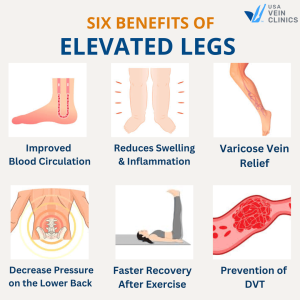
1. Improves Blood Circulation in the Legs
Veins in the legs must push blood upward against gravity to return it to the heart. Elevating your legs reduces venous pressure and allows blood to flow more easily back toward the heart, improving circulation and oxygen delivery to the leg muscles and tissues.
This benefit is especially noticeable if you experience:
- Cold feet or legs
- Leg fatigue or weakness
- A heavy or tired feeling after prolonged sitting or standing
2. Reduces Swelling and Fluid Retention
Swelling in the legs and ankles is commonly caused by fluid buildup (edema), which occurs when increased venous pressure pushes fluid into surrounding tissues. Elevating your legs helps reduce this pressure, allowing excess fluid to drain away and easing swelling and tightness.
This benefit is commonly seen with:
- Pregnancy-related swelling
- Heat-related water retention
- Post-injury inflammation
- Early signs of vein disease
3. Relieves Varicose Vein Discomfort
Varicose veins form when vein valves fail to close properly, allowing blood to flow backward and pool in the legs. As pressure inside the veins increases, symptoms such as aching, throbbing, heaviness, and visible bulging become more noticeable often worsening by the end of the day.
Elevating your legs helps:
- Lower pressure inside enlarged veins
- Ease aching, throbbing, burning, and heaviness
- Temporarily reduce vein bulging and discomfort
Important: Leg elevation can provide temporary relief, but it cannot repair damaged vein valves or stop disease progression.
4. Reduces Lower Back Pressure
Elevating your legs while lying down helps maintain spinal alignment by reducing strain on the lower spine and surrounding muscles. This position can ease lower back tension and discomfort, particularly for people affected by prolonged sitting, standing, or poor posture.
5. Supports Faster Muscle Recovery After Exercise
After physical activity, elevating your legs can help reduce post-exercise swelling and muscle soreness by improving circulation and encouraging the removal of metabolic waste from the muscles. This may help legs feel lighter and less fatigued during recovery.
6. Helps Lower the Risk of Blood Clots
Prolonged immobility can slow blood flow in the legs, increasing the risk of deep vein thrombosis (DVT). Elevating your legs helps improve venous circulation and reduce venous pressure, both of which support healthier blood flow and may lower clot risk—especially after long-distance travel, surgery, or extended bed rest.
Take Our Free Symptom Assessment
How to Elevate Your Legs Properly
To get the most benefits from leg elevation, your legs should be positioned above heart level while your body is comfortably supported. Simply resting your feet on a low stool may help with comfort, but it won’t provide the same benefits as raising your legs above your heart.
Follow these steps to elevate your legs correctly:
-
Lie down comfortably: Choose a bed, couch, or reclining surface that supports your back and neck.
-
Raise your legs above heart level: Place firm pillows or a wedge cushion beneath your legs so your feet and lower legs are higher than your chest.
-
Support your knees: Keep your legs relaxed with a slight bend in your knees if needed. Avoid positions that cause discomfort or place pressure behind your knees.
-
Hold the position for 10–15 minutes: Relax and allow gravity to help blood and excess fluid move out of your lower legs.
-
Repeat throughout the day: Elevate your legs two to four times daily, especially after prolonged sitting or standing.
Avoid crossing your legs or using positions that cause numbness, tingling, or pain. If you have persistent leg swelling, elevating your legs may provide temporary relief, but it won’t correct underlying vein valve damage.
How Long and How Often Should You Elevate Your Legs?

For most people, leg elevation is most effective when done regularly and correctly:
- Frequency: 2–4 times per day
- Duration: 10–15 minutes per session
- Position: Legs elevated above heart level
This positioning allows gravity to assist blood and fluid return, helping reduce venous pressure and swelling.
You can elevate your legs using:
- Firm pillows
- A wedge cushion
- A wall (legs-up-the-wall pose)
Tip: When using a wall, keep sessions to 5–10 minutes to avoid placing stress on the knees, hips, or lower back.
When Elevating Your Legs Is Not Enough
If leg swelling, pain, or visible veins persist despite regular leg elevation, it may signal an underlying vein condition such as venous reflux or chronic venous insufficiency. These conditions occur when vein valves no longer function properly, allowing blood to pool in the legs.
Warning signs include:
- Daily leg heaviness or aching
- Swelling that worsens by evening
- Skin discoloration or texture changes
- Bulging or twisted veins
When these symptoms are ongoing, evaluation by a vein specialist is recommended.
Elevate Your Legs and Protect Your Vein Health
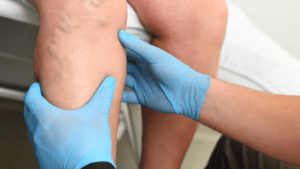
Raising your legs above your heart is a simple yet effective way to increase blood circulation and support your veins.
But if you are experiencing leg swelling, pain or varicose veins, don’t wait. Early diagnosis and treatment of vein disease can lead to better outcomes.
Our expert vein doctors can examine your legs to test for vein disease and recommend an effective, personalized treatment plan to help you regain comfort.
USA Vein Clinics is the nation’s leading network of vein treatment clinics. We’re staffed by expert vein specialists committed to helping our patients get back to enjoying their lives with safe and effective vein treatments. Schedule a vein screening at a clinic near you today.
Sources:
Frequently Asked Questions About Elevating Your Legs
Medically Reviewed By:

Dr. Yan Katsnelson is a philanthropist, business owner, and highly skilled cardiac surgeon. He is the Founder and CEO of USA Vein Clinics, which is part of USA Clinics Group, the parent company of USA Fibroid Centers, USA Vascular Centers, and USA Oncology Centers, with more than 100 facilities nationwide. Dr. Yan has established himself as a strong advocate for accessibility and affordability of the most advanced medical care close to home. His mission is to create a positive experience for each patient with compassionate, personalized, and expert care.


