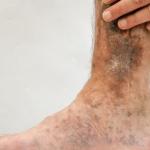
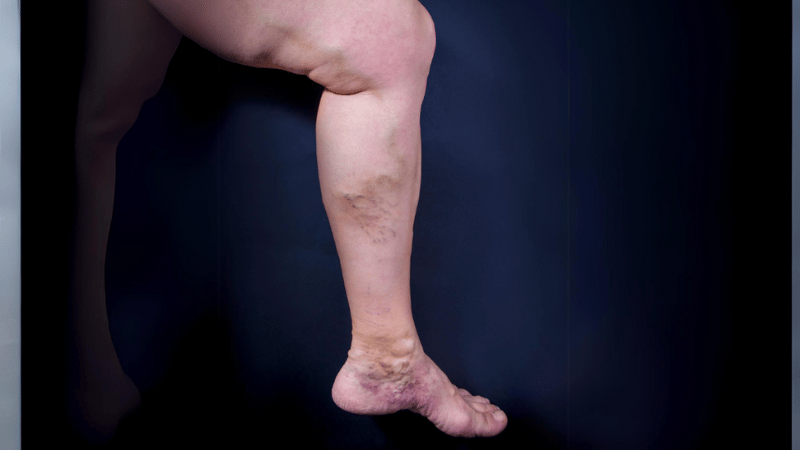
If you’ve noticed the veins in your feet are bulging, you might be wondering if it’s a common occurrence or something more serious. Prominent veins on your feet can result from blood pooling in the legs–sometimes an early sign of chronic venous insufficiency (CVI), or vein disease. Genetics, low body fat, or thin skin can also contribute to visible veins; however, these factors are unrelated to vein health.
If you’re unsure whether the bulging veins in your feet are related to your vein health, we’ll help you distinguish harmless veins from problem veins. We’ll also discuss when you should be concerned about your veins and what you can do to treat them.
What Causes the Veins in Your Feet to Start Bulging?
You might notice sudden bulging veins appearing on the top of your feet after sitting or standing for too long. That’s because the veins in your feet are under constant pressure from gravity and daily movement.
Other causes of visible or sudden bulging veins on top of the feet include:
- Chronic Venous Insufficiency (CVI): Damaged veins will lead to swollen veins and poor circulation.
- Heat or exercise: Warm weather and physical activity can temporarily expand the veins, making them appear larger.
- Dehydration: Reduced fluid intake can cause blood to thicken, leading to increased venous pressure.
- Low body fat or thin skin: When there’s less tissue covering the veins, they become more visible.
The Connection Between Bulging Veins and CVI
Chronic venous insufficiency (CVI) is a condition in which the veins in your legs and feet struggle to return blood to your heart because their valves are weakened. Damaged valves allow blood to pool, increasing pressure and causing visible, bulging veins.
As a result, this vein disease can cause uncomfortable symptoms that affect daily life, including:
- Heaviness or aching in the legs or feet
- Swelling (edema) that worsens throughout the day
- Cramping or throbbing in the lower legs
- Restless legs or tingling sensations at night
CVI is a progressive condition that can lead to more serious complications if untreated. If you are unsure whether you have vein disease, our symptom quiz can help you determine if it’s time to consult a vein specialist.
When to Be Concerned About Veins Bulging
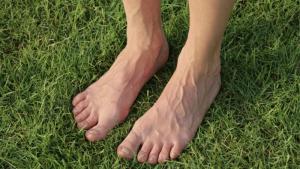
While some visible veins are normal, there are specific symptoms that signal when it’s time to seek medical advice about bulging veins in the feet.
Concerning signs include:
- Persistent pain or burning, especially later in the day
- Swelling that doesn’t go away after rest or elevation
- Skin changes, such as rashes, darkening, or ulcers around the ankles
- Bulging veins that remain raised even after lying down or elevating your feet
These symptoms may indicate chronic venous insufficiency or another circulatory issue requiring treatment.
How to Treat or Manage Bulging Foot Veins
You can take several steps to help with bulging veins, such as:
- Wearing graduated compression stockings
- Elevating your legs when possible
- Staying hydrated throughout the day
- Avoid standing or sitting for extended periods
- Performing exercises that contract your leg muscles, such as calf raises, squats, or lunges
- Taking 15 to 30-minute walks, two to three times per day
- Wearing less constricting shoes that promote full flexion of your foot when walking (limit wearing wedges and high heels)
While these lifestyle habits can help alleviate symptoms, they do not repair damaged vein valves. If bulging veins persist or worsen, non-surgical vein treatments can help close the faulty veins and reroute blood flow to healthier ones.
These treatments include:
- Endovenous Laser Therapy (EVLT)
- ClariVein®
- Varithena™ Vein Treatment
- VenaSeal™
- Ultrasound-guided sclerotherapy
- Radiofrequency Ablation (RFA)
These minimally invasive procedures can relieve symptoms, restore proper circulation, and improve the appearance of your feet with little to no downtime. View patient testimonials to discover why these treatments are a top choice for individuals experiencing bulging veins and other symptoms that interfere with their daily life.
Get Answers and a Personalized Plan Today
If you’re unsure whether your bulging foot veins are cosmetic or a sign of vein disease, a vein consultation can provide clarity. Early diagnosis helps prevent complications and leads to more effective outcomes.
USA Vein Clinics is the nation’s largest network of vein treatment centers. Our experienced vein doctors provide personalized care plans tailored to your specific needs and offer non-surgical treatments to alleviate symptoms of vein disease.
If you’re concerned about bulging veins in your feet, schedule a consultation online today. Discover whether your symptoms are related to vein disease and learn how our expert team can help you restore comfort, confidence, and vein health.
FAQs About Veiny Feet
Are Bulging Veins in My Feet a Sign of a Blood Clot?
Bulging veins may signal a blood clot. If you notice other signs of a blood clot in the foot, such as warm areas on the skin, severe pain, or changes in skin color, seek medical attention immediately.
Why are my feet veins popping out?
You may notice sudden bulging veins on the tops of your feet due to tight shoes, prolonged sitting, or standing. Consult a specialist if you notice persistent bulging veins on your feet.
Can dehydration cause veins to bulge?
Dehydration can cause bulging veins. Without enough fluid in the body, your blood volume decreases and your blood thickens, making it harder for your veins to pump blood. This results in veins appearing more prominent.
Are veiny feet dangerous?
Veiny feet can be a sign of underlying vein disease, such as chronic venous insufficiency (CVI). Untreated CVI can lead to painful ulcers, skin discoloration, and life-threatening blood clots, such as deep vein thrombosis (DVT).