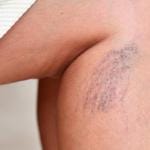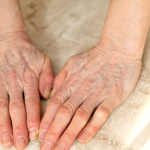

Have you noticed prominent green veins on your legs, hands, feet, or arms? Seeing green or bluish lines beneath the skin can feel alarming and it’s one of the most common questions patients ask vein specialists.
In most cases, green veins are a harmless result of light physics and skin composition, not a medical emergency. However, when visible green veins are paired with leg discomfort, swelling, heaviness, or skin changes, they may act as a visual roadmap pointing toward an underlying circulation condition such as Chronic Venous Insufficiency (CVI).
This guide explains why veins look green, when it’s normal, and when visible veins may signal a circulation problem that deserves medical attention. Not Sure If Your Green Veins Are Normal or a Sign of Vein Disease?
The Science: Why Do Veins Look Green If Blood Is Red?
A common myth is that veins appear green or blue because oxygen-poor blood changes color. In reality, all human blood is red, regardless of oxygen levels.
Green veins are the result of selective light absorption:
How Light Interacts With Skin and Veins
- The light spectrum: Sunlight contains all colors. Red light has longer wavelengths that penetrate deeper into the skin, where they are absorbed by blood and surrounding tissue.
- Reflection: Green and blue light have shorter wavelengths. They do not penetrate as deeply and instead reflect back toward the surface.
- Skin physics: Your skin acts as a natural filter. Depending on its thickness, tone, and undertones, the reflected light often appears green or blue to the human eye.
This optical effect explains why veins can look green even though the blood inside them is red.
Is It Normal to See Green Veins?
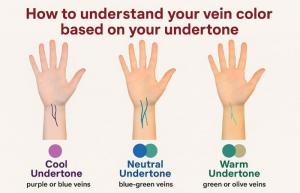
Yes. For most people, visible green veins are completely normal and are not a sign of poor circulation or vein disease. In many cases, green veins simply reflect how light interacts with your skin, rather than an underlying health issue.
You’re more likely to notice green veins if you have certain natural skin or body characteristics, including:
- Thin or fair skin, which allows light to pass through more easily and makes veins more visible
- Lower body fat, placing veins closer to the skin’s surface
- Age-related skin changes, as skin gradually thins and loses collagen over time
- Warm skin undertones, which tend to make veins appear green rather than blue or purple
When green veins are related to these factors, they are typically flat, smooth, and painless, and do not require medical treatment.
However, changes in how veins look or feel such as bulging, discomfort, swelling, or skin changes may warrant further evaluation to rule out an underlying vein condition.
When Green Veins May Signal a Circulation Problem
While vein color alone isn’t diagnostic, appearance, texture, location, and accompanying symptoms all matter. Green veins may be clinically significant when they appear alongside other changes, including:
- Bulging or twisting: Raised, rope-like veins are more consistent with varicose veins
- The “heavy leg” sensation: A feeling of fatigue, pressure, or aching by the end of the day
- Ankle or foot swelling (edema): Especially when swelling improves with leg elevation
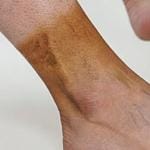
- Skin changes: Darkening, thickening, dryness, or a leathery texture near the ankles
If changes are concentrated around your feet, understanding why the veins in your feet are bulging can help you recognize when they may be related to an underlying vein issue.
Expert insight:
Green veins that become suddenly more prominent around the ankles or lower legs may be an early warning sign of venous reflux—a condition in which weakened vein valves make it difficult for blood to flow upward against gravity, allowing it to pool in the legs.
What Is Chronic Venous Insufficiency (CVI)?
Chronic Venous Insufficiency (CVI) is a circulation condition that occurs when the valves inside the leg veins weaken or fail. These valves are responsible for keeping blood moving upward toward the heart. When they don’t function properly, blood flows backward and pools in the legs.
Over time, CVI can lead to:
- Leg heaviness and fatigue
- Swelling in the calves or ankles
- Skin discoloration or irritation
- Spider veins or varicose veins
- Progressive vein damage if left untreated
Varicose veins are one of the most common visible signs of CVI, but early stages may present only as increased vein visibility or discomfort.
Do Green Veins Mean I Have Varicose Veins?
Not necessarily.
Many people have healthy green veins that:
- Do not bulge or twist
- Do not cause pain or swelling
- Are simply visible beneath the skin
Varicose veins, on the other hand:
- Protrude outward from the skin
- Often feel heavy, achy, or painful
- Are more strongly linked to underlying vein disease
A professional vein evaluation can distinguish between normal visible veins and veins affected by CVI or venous reflux.
Are Green Veins a Sign of Poor Circulation? How Does it Look Like?
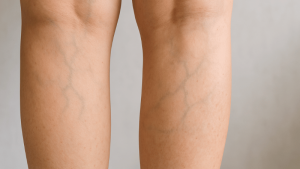
When green veins are flat, smooth, and painless, they are usually a normal part of your anatomy. In these cases, vein color alone does not indicate a circulation problem.
However, green veins may signal an underlying vein or circulation issue when their appearance, texture, or accompanying symptoms begin to change.
Green veins may be clinically significant if they:
- Bulge, twist, or feel rope-like, which may indicate varicose veins
- Become more visible around the ankles or lower legs, where gravity places the most pressure on veins
- Are accompanied by a heavy, aching, or tired sensation in the legs, especially at the end of the day
- Appear alongside ankle or foot swelling (edema) that improves with leg elevation
- Are associated with skin changes, such as darkening, thickening, dryness, or a leathery texture near the ankles
In some cases, these visible changes may also be accompanied by cold feet, numbness, tingling, leg fatigue, or skin discoloration, which can further suggest a circulation-related concern.
Together, these signs may point to venous reflux, a condition in which weakened vein valves allow blood to flow backward and pool in the legs. Over time, this increased pressure can contribute to Chronic Venous Insufficiency (CVI) and progressive vein disease if left untreated.
Are You at Risk for Vein Disease?
Green veins may transition from a cosmetic trait to a medical issue when certain risk factors place ongoing stress on the leg veins and their valves.
You may be at higher risk if you have:
- Prolonged sitting or standing, which increases pressure inside the leg veins and slows healthy blood flow
- Pregnancy, which raises blood volume and hormone levels, placing added strain on vein valves
- Genetics, as a family history of varicose veins, vein disease, or blood clots significantly increases risk
- Weight changes, which can affect circulation efficiency and vein function
Understanding your individual risk factors can help determine whether preventive care, lifestyle adjustments, or a professional vein evaluation may be appropriate especially if visible veins are accompanied by symptoms.
Treatment: Do Green Veins Need Medical Care?
If your green veins are flat, painless, and not associated with symptoms, no treatment is necessary.
However, when green veins are part of a broader circulation issue, modern medicine offers non-surgical, in-office solutions, often completed in under 30 minutes:
- Sclerotherapy: Best for small green or blue veins and early spider veins
- Endovenous Laser Therapy (EVLT): Treats deeper veins that feed visible surface veins
- Lifestyle management: Compression therapy, leg elevation, and activity adjustments help slow progression
When vein disease is present, diagnostic testing and treatment may be covered by insurance, including Medicare and many private plans.
Why Do My Veins Look Green in Certain Conditions?
Green veins can become more visible due to temporary changes in your body or environment. These shifts affect blood flow, skin thickness, and how light reflects off your veins, making them appear more prominent.
Some of these changes include:
- Heat: Veins dilate under heat, increasing blood flow and making veins more noticeable. Sun exposure and sunburns can also make veins more visible by damaging the collagen and other connective tissue in blood vessel walls.
- Exercise: Physical activity makes our veins more visible, but they usually appear less prominent after resting and drinking water.
- Hormonal Shifts: Pregnancy, menstruation, oral contraceptives, and certain thyroid conditions can cause hormone fluctuations that dilate small blood vessels, leading to more apparent veins. These hormonal changes can also weaken vein valves and walls over time, raising the risk of varicose veins.
- Aging and Thinner Skin: As we get older, our skin often becomes thinner, making it easier to see the veins underneath the skin.
When to See a Doctor About Green Veins
While green veins are often harmless, signs like skin discoloration, bulging or twisted veins, as well as any pain, swelling, or a heavy feeling in the legs, can signal a more serious condition. A vein screening can identify the cause and treat problems before they progress.
Vein specialists at USA Vein Clinics use state-of-the-art technology and imaging tests during our consultations to map veins and assess blood flow for an accurate diagnosis. Based on the diagnosis, our expert vein specialists will recommend the best treatment for your condition.
Take the Next Step Toward Healthier Veins
Worried about the green veins on your legs that are accompanied by symptoms like aching, swelling, or bulging veins? Schedule a consultation online today with USA Vein Clinics for personalized care at one of our nationwide locations.