

Have you noticed your veins bulging after exercising and wondered if your workout is causing varicose veins?
Bulging veins after a workout are usually a normal sign of increased circulation. While certain high-strain activities may exacerbate existing issues, you aren’t likely to develop varicose veins from working out. On the contrary, a consistent fitness routine is a key component in maintaining strong vein walls and healthy blood flow. However, if your bulging veins appear twisted and cause discomfort in the legs, you may have varicose veins caused by an underlying condition.
Certain high-impact exercises may also worsen varicose veins. Understanding how exercise impacts your vein health can help you make informed decisions about your fitness routine and when to seek care.
Why Veins Pop Out When You Exercise
It can be startling to see veins popping out after a workout, but this is usually just a sign that your body is working correctly. When you exercise, your heart pumps extra blood to your muscles. To handle this surge, your veins expand and move closer to the surface, making them look more prominent as they carry blood back to your heart
Other reasons your veins pop out while exercising include:
- Muscle Swelling: Muscles can harden during intense activities, pushing superficial veins closer to the skin’s surface.
- Reduced Body Fat: Low body fat between the skin and muscles can make veins bulge underneath the skin.
- Heat: Exercise warms up the body, making blood vessels expand.
After you cool down, blood vessels can constrict to normal levels, and the vein definition disappears. However, if those bulging veins after a workout remain twisted, rope-like, and raised even at rest, they may be varicose veins.
Does Working Out Cause Varicose Veins?
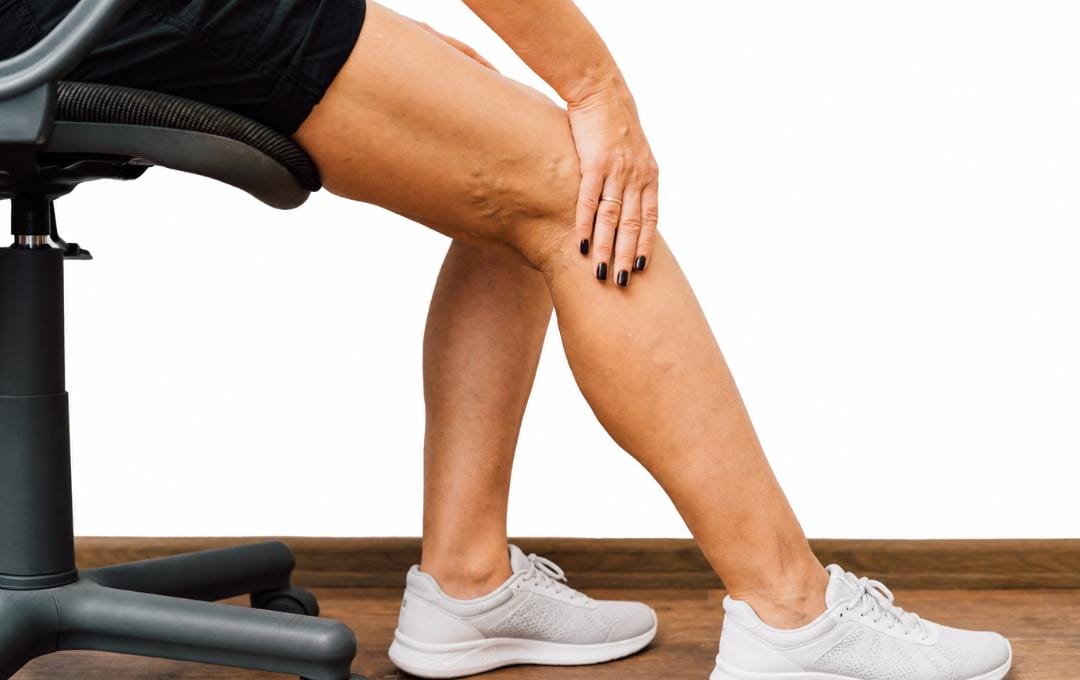
Far from being a cause of vein disease, regular movement is actually a powerful tool for prevention. While it might seem like the strain of a workout could damage your blood vessels, the opposite is true: staying active is one of the best ways to protect your vascular health.
While factors you can’t control, like genetics and age, play a role in the development of varicose veins, your daily habits, such as prolonged sitting or standing, can make a significant difference.
What Causes Varicose Veins: Signs to Watch Out For
When the one-way valves in your legs struggle to pump blood back to the heart, the resulting increased pressure on the veins of your leg can cause the veins to expand and twist, leading to symptoms such as:
- Pain, cramping, or aching
- Swelling
- Fatigue or heaviness
- Itching or burning sensations
- Restlessness, especially at night
These symptoms often indicate vein disease. If you recognize these symptoms, even without visible varicose veins, take our symptoms quiz to see if you need to see a vein specialist.
Can Certain Workouts Make Varicose Veins Worse?
You may have heard that high-impact exercises such as weightlifting or running can worsen varicose veins. While this may be true to some extent, it requires some context. It’s not the exercise that can worsen or cause varicose veins; it’s how the exercise is done.
For example, some bodybuilders can have varicose veins. This may be due to how they use lifting belts while working out. While lifting belts help stabilize the spine and prevent back injuries, improper use or over-tightening can increase intra-abdominal pressure. This pressure can hinder blood flow from the legs back to the heart, potentially straining vein valves over time.
Running or jogging is another high-impact exercise that could be too much for someone with existing varicose veins. Running on hard surfaces could strain the veins due to repetitive pounding. If you are planning to pick up jogging, it’s recommended to wear shoes with appropriate padding and run on softer surfaces such as a synthetic track.
How Does Working Out Help Varicose Veins?
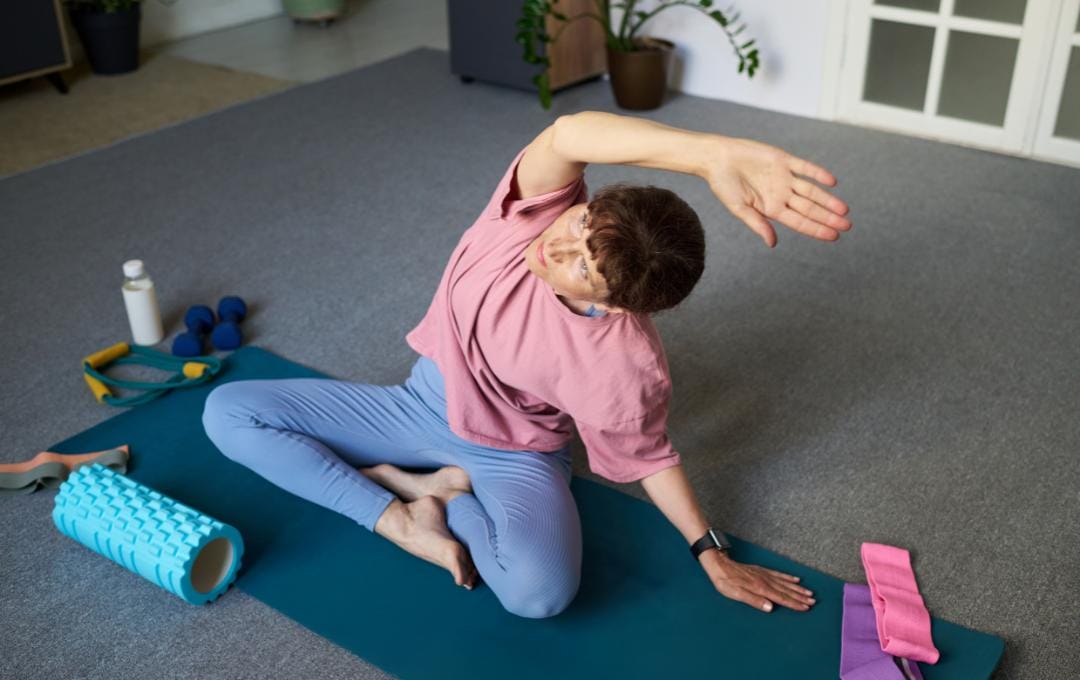
When you walk, cycle, or swim, your calf muscles provide a circulation boost, squeezing the veins to push blood upward. This can help provide some relief from leg discomfort, swelling, and fatigue symptoms related to varicose veins.
Low-impact exercises such as cycling, walking, swimming, and yoga are considered the best exercises for varicose veins because they can support overall vascular health.
In addition to low-impact exercises, compression socks can help support circulation. These are specially designed to be tighter around the ankles and looser near the calves. This helps mimic the pumping action of the calves, even if you are not working out.
When to See a Vein Specialist
While exercise supports healthy circulation, it cannot fix damaged veins. If you notice your varicose veins are accompanied by pain, swelling, or fatigue, you may want to see a vein specialist.
It’s important to address vein disease early because it’s a progressive condition. Delaying treatment allows vein disease to advance, which can cause skin changes such as dryness, flakiness, discoloration, and slow-healing sores. These complications can make treatment more complex.
Get Evaluated at USA Vein Clinics
You don’t have to let your varicose veins interrupt your active lifestyle. At USA Vein Clinics, we specialize in diagnosing vein disease and performing minimally invasive treatments that get you back to your fitness routine sooner. Because these treatments are non-surgical, you don’t have to plan a lengthy recovery period. Many patients can return to their normal exercise routine within a couple of weeks after receiving clearance from their doctor.
For more information about how vein treatment can get you back to an active lifestyle, schedule a consultation online or by calling (888) 768-3467.
FAQs
Can exercise cause blood clots in the legs?
Exercise itself does not cause blood clots, although there are a few professional athletes who have developed blood clots. This is because extreme dehydration, injuries, or prolonged sitting during travel days contributed to the blood clot formation, not the exercises.
Can you get rid of varicose veins by working out?
While exercise can help manage symptoms and support overall health, it cannot get rid of damaged veins. Medical treatments, such as endovenous laser treatment, can help seal damaged veins. This allows blood to reroute through healthier veins and helps reduce accompanying symptoms that may have impacted a patient’s workout routine.
Should I stop working out if I have varicose veins?
You do not have to stop working out if you have varicose veins. Regular movement keeps the blood flowing and may help prevent new varicose veins from forming. However, if your varicose veins hurt while working out, a low-impact exercise is advised until you receive treatment.
Are spider veins from working out common?
It’s not common to develop spider veins from working out. Exercises stimulate blood flow; however, this can make existing spider veins appear brighter or more noticeable.