

Medically reviewed by
Dr. Jacob White, M.D.
Interventional Radiology
Reviewed: November 2026
Yes, varicose vein symptoms can feel noticeably different as the seasons change. Temperature shifts affect how blood vessels respond, which means sensations like leg heaviness, swelling, and aching may be more pronounced during certain times of year. This is not coincidence – blood vessels naturally widen in warm weather and tighten when temperatures drop, and for veins with damaged valves, both responses can amplify how symptoms feel from one month to the next. Understanding this seasonal pattern can help you recognize when your vein symptoms reflect an underlying condition worth evaluating with a vein specialist.
Key Takeaway: Seasonal symptom changes in varicose veins reflect the valve dysfunction driving chronic venous insufficiency (CVI). Managing comfort through the seasons is possible, but self-care does not address the underlying valve problem causing the pattern. A vein specialist can evaluate whether minimally invasive treatment may be appropriate for your symptoms.
How Temperature Affects Your Vein Valves
Your leg veins rely on a series of one-way valves to keep blood moving upward toward the heart against gravity. When those valves weaken or fail, blood flows backward and pools in the lower legs – a process called venous reflux and the underlying mechanism behind most varicose veins.[1] Temperature changes do not cause this valve dysfunction, but they interact with it in ways that directly affect how symptoms feel.
What Heat (Vasodilation) and Cold (Vasoconstriction) Mean for Varicose Veins
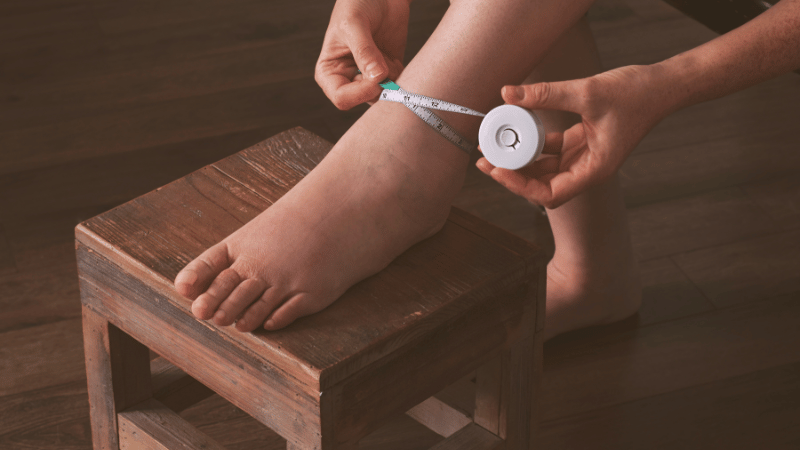
Heat causes blood vessels to widen – a process called vasodilation. When the body needs to cool itself in warm weather, it increases blood flow near the skin surface. For people with healthy veins, this is a minor, temporary shift with little impact. For people with damaged vein valves, the added blood volume and reduced vessel tone increase pooling, pressure, and swelling noticeably.[2]
Cold temperatures have the opposite effect. Blood vessels constrict (vasoconstriction), which temporarily reduces swelling and can make bulging veins appear less prominent. This is why some people feel genuine relief during colder months and may assume their vein disease has stabilized. However, reduced physical activity in winter can partially offset that benefit by decreasing the calf muscle pump action that helps move blood back toward the heart.
Why Varicose Vein Symptoms Often Worsen in Summer
Summer is typically the most symptomatic season for people with varicose veins. Heat triggers vasodilation throughout the body, and the effects are especially pronounced in the lower legs where blood already tends to pool due to gravity and weakened valves. As veins dilate, blood fills them more readily and valve function becomes less effective at preventing backflow.[2]
Common summer symptom patterns include increased leg heaviness by afternoon or evening, visible veins that appear more prominent or swollen, and an aching or throbbing sensation that worsens after time outdoors or on your feet. Leg swelling that is noticeable by evening and fades overnight – only to return the following day – is a frequent complaint during warmer months.
Hydration also plays a role. Dehydration, which is more common in hot weather, can affect blood viscosity and make circulation less efficient. Prolonged standing, outdoor activity, and heat sources like hot baths or steam rooms can intensify these effects further. For a closer look at the mechanics behind this, our guide on how heat affects varicose veins covers summer-specific management in detail.
How Cold Weather Changes Your Vein Symptoms
Cold weather often brings noticeable relief for people with varicose veins. Vasoconstriction reduces vein diameter, which can ease the pooling and pressure that drive summer symptoms. Swelling may decrease, and visible veins may look less prominent or more manageable. For this reason, some patients find themselves postponing evaluation through warmer months, reasoning that improvement in winter suggests the problem has resolved on its own.
The relief is real, but it does not mean the underlying valve dysfunction has improved. Several winter-specific patterns can offset the vasoconstriction benefit. Physical activity tends to decline in colder months, and movement is the primary driver of the calf muscle pump that supports venous return from the lower legs. Reduced hydration and weight changes associated with the holiday period can add further pressure on leg veins.[3]
If your symptoms return reliably each spring after a comfortable winter, that predictable cycle reflects the underlying disease and not simply the weather. Our full article on cold weather’s effect on your veins covers winter vein management in more detail.
Why the Transition Seasons Can Feel Unpredictable
Spring and fall are transition seasons, and for people with vein disease they can feel particularly disruptive. In spring, temperatures begin rising after several months of relative vasoconstriction. As veins re-dilate with the warming weather, blood pooling and pressure increase again – sometimes more noticeably than at the height of summer, because the body is readjusting from a prolonged period of reduced vessel dilation. It is not unusual for patients to report their worst vein symptoms in April or May rather than July.
Fall presents a different challenge. Activity levels often drop as cooler weather settles in, but temperatures may not yet be cold enough to produce meaningful vasoconstriction. The result is a period where the mechanical benefit of movement decreases before the thermal benefit of cold arrives. Symptoms during early fall may feel more unpredictable than in either peak summer or deep winter.
If the spring re-warming period consistently triggers your worst symptom episodes, that pattern is a meaningful signal. It suggests your veins are sensitive to relatively modest temperature increases – a sign of underlying vein disease that may benefit from evaluation rather than continued seasonal management.
Year-Round Tips for Managing Seasonal Vein Discomfort
Self-management strategies can reduce the day-to-day burden of vein symptoms regardless of season. They do not address the underlying valve dysfunction, but used consistently they can meaningfully improve comfort and support overall vein health.[4]
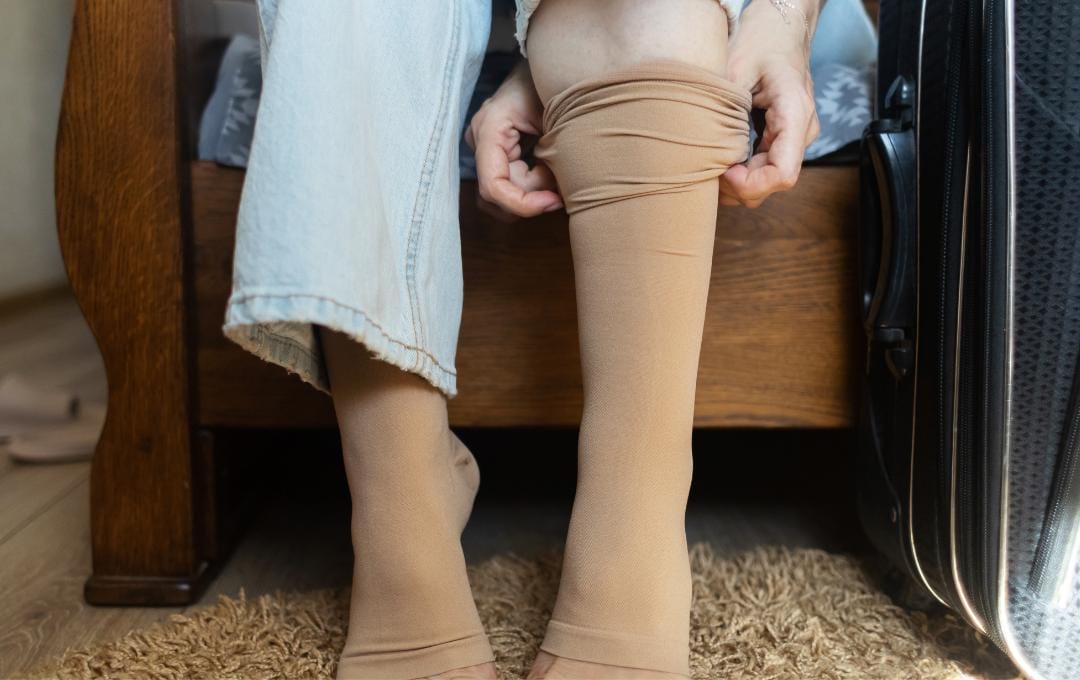
- Compression therapy. Medical-grade graduated compression stockings apply external pressure that supports venous return and reduces pooling. They are one of the most evidence-supported conservative measures for vein disease and remain beneficial across all seasons. Lighter-weight compression options are available for warmer months when standard stockings feel uncomfortable.
- Staying active. Walking activates the calf muscle pump, which is the primary mechanical mechanism pushing blood back up from the lower legs. Even 20 to 30 minutes of walking per day can reduce heaviness and swelling noticeably. In winter, indoor walking, cycling, or low-impact home movement provides the same benefit when outdoor activity is less practical.
- Leg elevation. Elevating the legs above heart level for 15 to 20 minutes allows gravity to assist venous return and may reduce swelling – particularly useful at the end of the day when symptoms typically peak. This is a simple, effective strategy that works in any season.
- Hydration. Adequate daily fluid intake supports healthy blood viscosity and circulation. This applies in both hot weather, when sweating increases fluid loss, and cold weather, when thirst signals may be reduced but fluid balance still matters.
When Seasonal Symptoms Point to Something That Needs Evaluation
Noticing that your legs feel better in winter and worse in summer is a common experience for people with varicose veins. A predictable seasonal pattern does not mean the condition is mild or that treatment can be put off indefinitely. Vein disease is progressive – the underlying valve dysfunction tends to worsen over time without treatment, even during the periods when symptoms feel manageable.[1]
Certain symptom patterns suggest a vein evaluation is the appropriate next step, regardless of season. These include swelling that does not resolve overnight with rest and elevation, skin changes around varicose veins such as discoloration, hardness, or irritation, leg heaviness or aching that interferes with sleep or daily activity, and a pattern where symptoms worsen more significantly with each passing warm season.
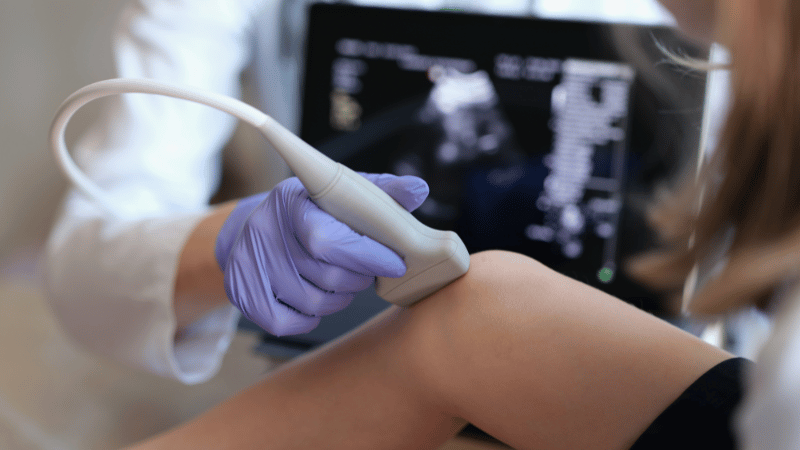
A vein specialist can perform a duplex ultrasound to assess blood flow in your leg veins and confirm whether venous reflux is present. This painless imaging test maps valve function and helps determine whether varicose vein treatment options – such as endovenous laser therapy (EVLT), radiofrequency ablation (RFA), VenaSeal, Varithena, or ultrasound-guided sclerotherapy – may be appropriate. These minimally invasive, outpatient procedures address the valve dysfunction directly, rather than managing the seasonal symptom cycle year after year.
Next Step
Your Seasonal Symptoms May Be Telling You Something
Vein symptoms that worsen each warm season and ease in the cold are a recognized pattern of underlying vein disease. Self-care and seasonal adjustments can make day-to-day life more comfortable. But when the cycle repeats year after year – or feels like it is intensifying – treatment that addresses the cause may provide more lasting relief than managing symptoms season by season.
USA Vein Clinics offers minimally invasive, outpatient vein treatments performed without general anesthesia and with minimal downtime. A vein specialist can evaluate your symptoms, confirm whether venous reflux is present, and walk you through which options may be right for your situation.
FAQs About Varicose Veins and Seasonal Changes
- National Heart, Lung, and Blood Institute. “Venous Insufficiency.” U.S. Department of Health and Human Services, National Institutes of Health. nhlbi.nih.gov
- Raffetto JD, Khalil RA. “Mechanisms of Varicose Vein Formation: Valve Failure and Vein Wall Dilation.” Phlebology. 2008;23(2):85-98.
- Eberhardt RT, Raffetto JD. “Chronic Venous Insufficiency.” Circulation. 2014;130(4):333-346.
- O’Meara S, Cullum N, Nelson EA, Dumville JC. “Compression for venous leg ulcers.” Cochrane Database of Systematic Reviews. 2012. cochranelibrary.com
Medical disclaimer: This article provides educational information about vein disease and treatment options. It is not a diagnosis or medical advice. Only a qualified vein specialist can determine whether you have vein disease or recommend appropriate treatment. If you have leg swelling, pain, or other vascular symptoms, consult a healthcare provider or contact USA Vein Clinics for an evaluation.


