Medically reviewed by
USA Vein Clinics Medical Review Team
Vascular Surgeons and Vein Specialists
Reviewed: August 2026
Elevating your legs, staying hydrated, wearing loose clothes, and avoiding tight bedding are among the fastest ways to improve circulation in your legs while sleeping. Poor circulation at night often shows up as tingling, numbness, cramping, or restless legs, and it can quietly interfere with how well you sleep. Most of the time, simple changes to your position and evening habits can ease the discomfort. But when these symptoms show up night after night, they may point to something happening beneath the surface rather than just an uncomfortable mattress.
Key Takeaway: Boosting your overnight circulation can be as simple as propping up your feet, staying well-hydrated, and building a quick stretching routine into your bedtime schedule. However, if persistent cramping, numbness, or restless legs consistently disrupt your rest, simple fatigue might not be to blame, as these can be signs of an underlying vascular issue. Take our vein symptom quiz to learn whether your nighttime discomfort could be linked to vein disease.
What Causes Poor Circulation in Legs at Night?
Blood needs to travel a long way from your legs back up to your heart, and it relies on one-way valves inside your veins to keep moving in the right direction against gravity. During the day, walking and muscle movement help push blood along. At night, when you are lying still for hours, that natural pumping action slows down. This is one reason circulation symptoms often feel more noticeable at bedtime, even if they were barely there earlier in the day.
Common nighttime circulation symptoms include tingling, numbness, cramping, cold feet, and a restless or uncomfortable sensation in the legs. These symptoms can happen occasionally to almost anyone, especially after a long day of standing, sitting, or travel. Dehydration, tight sleepwear, and certain sleep positions can all temporarily slow blood flow to the legs.
Why Symptoms Feel Worse While Lying Down
When you lie flat, blood pressure and blood flow patterns shift compared to standing or sitting. If vein valves are already weakened, as with chronic venous insufficiency (CVI), blood can pool more easily in the lower legs while you are at rest, leading to that heavy or achy feeling that seems to intensify once the lights go out.
What Are the Symptoms of Poor Leg Circulation at Night?
If you frequently lie awake dealing with nighttime leg discomfort, you may be experiencing poor leg circulation while sleeping. If you frequently lie awake dealing with nighttime leg discomfort, you may be experiencing poor leg circulation while sleeping. When you lie down, your veins can no longer rely on gravity to help move fluid downward, making night a common time for circulation issues to become noticeable.
Common symptoms of poor circulation in legs while sleeping include:
- Tingling or numbness – a pins and needles sensation or localized loss of feeling
- Swelling and cold feet – persistent puffiness in the ankles, calves, or feet, along with a lingering chill under the covers
- Aching, throbbing, or heaviness – a deep, tired ache or a sensation that your legs are weighted down
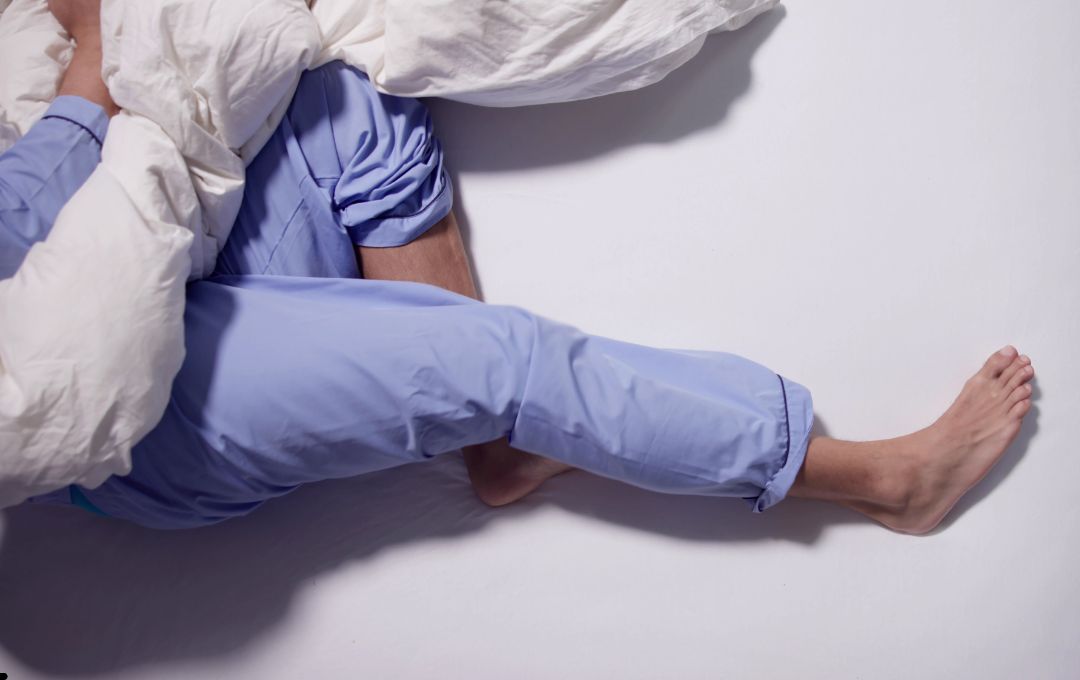
- Cramping or restless legs – sudden muscle spasms or an unsettling urge to move your legs to find relief
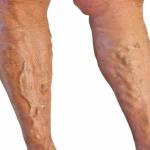
- Visible varicose veins – swollen, twisted, or bulging veins on the surface of the skin
While these symptoms can be associated with vascular issues, they can also stem from nerve compression, dehydration, or joint conditions. When vein health is the underlying cause, these symptoms usually occur because damaged vein valves struggle to move blood back to your heart without the assistance of daily movement and gravity.
Fast Ways to Improve Circulation in Legs While Sleeping
If your circulation symptoms are occasional and mild, a few adjustments to your evening routine and sleep setup can often help.
Elevate Your Legs
Propping your legs slightly above heart level with a pillow or wedge can make it easier for blood to travel back toward your heart overnight. This position uses gravity to your advantage and may reduce swelling and that heavy feeling in your calves and ankles. Elevating your legs for even part of the night can offer noticeable relief for some people.
Change Your Sleep Position
Sleeping flat on your stomach can compress blood vessels in your legs and restrict blood flow. Lying on your back with legs slightly elevated, or on your side with a pillow between your knees, tends to support healthier circulation through the night.
Stay Hydrated Throughout the Day
Adequate hydration helps keep blood at a healthy consistency so it can move through your veins more easily. Try to drink water consistently during the day rather than large amounts right before bed, which can also disrupt sleep with nighttime bathroom trips.
Stretch Before Bed
Gentle stretching, ankle circles, or calf raises before bed can activate the muscles that help pump blood out of your legs. A short routine of a few minutes may ease tension and improve how your legs feel once you lie down.
Avoid Tight Bedding and Restrictive Clothing
Tightly tucked sheets, form-fitting pajamas, or curling into a tight position can all put pressure on the legs and restrict blood flow. Loose, comfortable sleepwear and bedding that allows some movement may help circulation stay steady overnight.
When Nighttime Circulation Symptoms May Signal Vein Disease
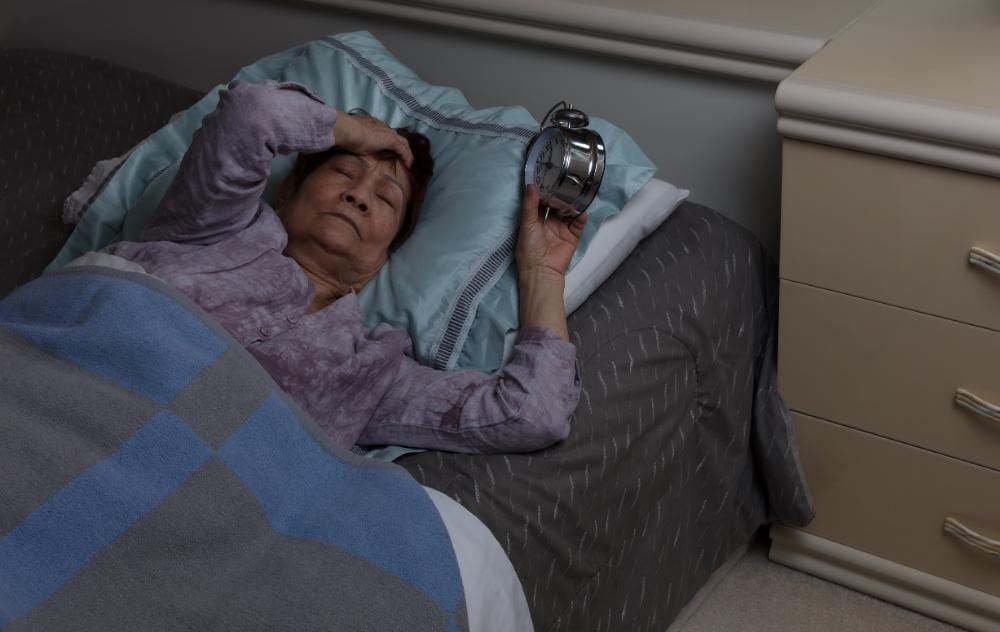
Occasional tingling or a leg that falls asleep after an odd sleeping position is usually temporary and resolves with movement. However, symptoms that happen most nights, get worse over time, or come with visible varicose veins may be associated with an underlying vein condition rather than a passing annoyance.
Chronic Venous Insufficiency (CVI) and Nighttime Symptoms
Chronic venous insufficiency, often called CVI, develops when the valves inside leg veins weaken and no longer close properly. Blood that should flow upward toward the heart instead flows backward and pools in the lower legs. This pooling tends to become more noticeable at night because lying down changes the pressure dynamics in your leg veins. Over time, CVI can contribute to leg swelling, aching, and visible vein changes that may worsen if left unaddressed.
Signs that nighttime circulation symptoms may be vein-related include:
- Visible varicose veins or spider veins – on the legs
- Swelling that builds throughout the day – and is worse by evening
- Leg heaviness or aching – that improves when legs are elevated
- Skin discoloration or texture changes – around the ankles
- Symptoms that have gradually become more frequent or intense
If any of these apply to you, restless or uncomfortable legs at night may be worth discussing with a vein specialist rather than managing with sleep position changes alone. A duplex ultrasound, a painless imaging test, can show whether venous reflux is present and help guide next steps.
Next step
See If Your Symptoms Are Linked to Vein Disease
If nighttime numbness, cramping, or restless legs are disrupting your sleep, a quick symptom check can help you understand what might be going on. USA Vein Clinics offers a simple online quiz to see whether your symptoms line up with signs of vein disease.
Our minimally invasive treatments are outpatient procedures with minimal recovery. If vein disease is contributing to your nighttime discomfort, understanding your symptoms and consulting a specialist is the first step toward relief.
Frequently Asked Questions
- National Institute of Neurological Disorders and Stroke. Restless Legs Syndrome Fact Sheet. https://www.ninds.nih.gov/
- American Venous Forum. Chronic Venous Insufficiency. https://www.venousforum.org/
- Journal of Vascular Surgery. “Venous Insufficiency and Associated Symptoms.” 2020.
- Society for Vascular Surgery. Duplex Ultrasound in Venous Assessment. https://vascular.org/
Medical disclaimer: USA Vein Clinics content provides medical education only. It is not a diagnosis or treatment recommendation. Consult a vein specialist for evaluation.