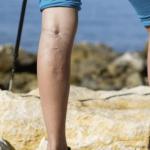
Spider veins, those small, patterned clusters of veins on the legs and feet, are often considered cosmetic—unless they carry symptoms. When spider veins cause leg pain, swelling, fatigue, and heaviness, these symptoms may indicate underlying vein disease.
Vein disease occurs when weak or damaged veins cause blood to flow backward in the legs. If left unchecked, this condition can worsen progressively. Treatment can eliminate visible spider veins and, when underlying vein disease is present, address the circulatory issue that may progress over time.
If you are searching “how to get rid of spider veins,” it’s important to understand what works and doesn’t work. Finding effective treatment options will take you one step closer to finding relief.
Is Surgery Necessary to Treat Spider Veins?
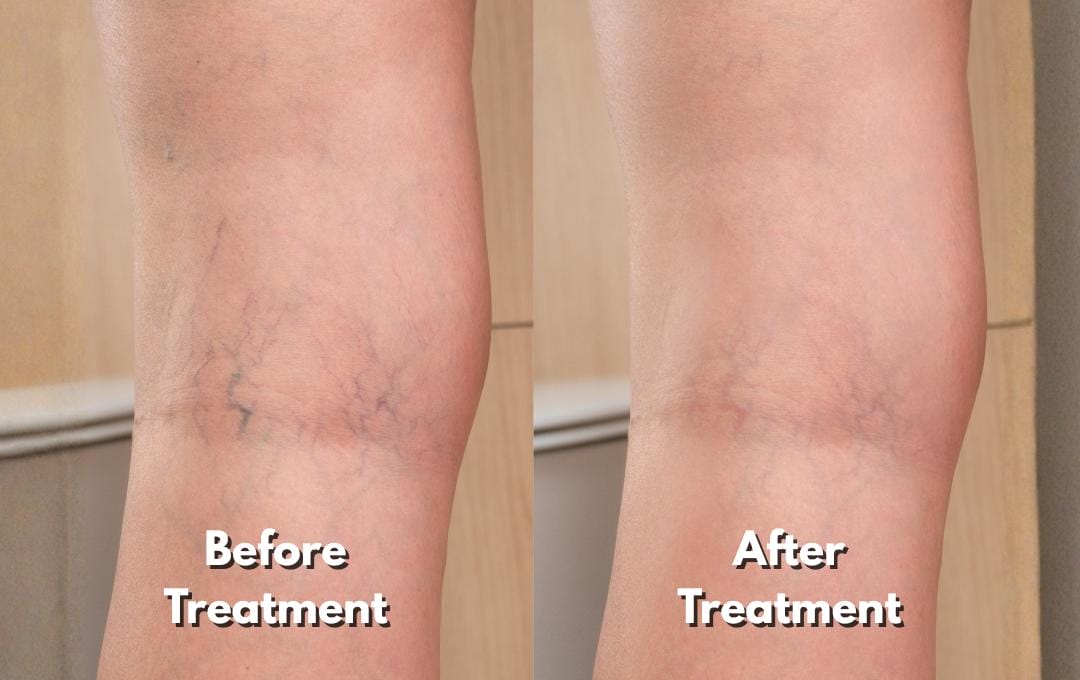
Surgery is not necessary to get rid of spider veins. In fact, all spider vein treatments are minimally invasive, allowing patients to go home shortly after their procedure. These nonsurgical treatments are designed to seal spider veins shut, causing them to fade away over time and improve the leg’s appearance.
How to Remove Spider Veins Without Surgery
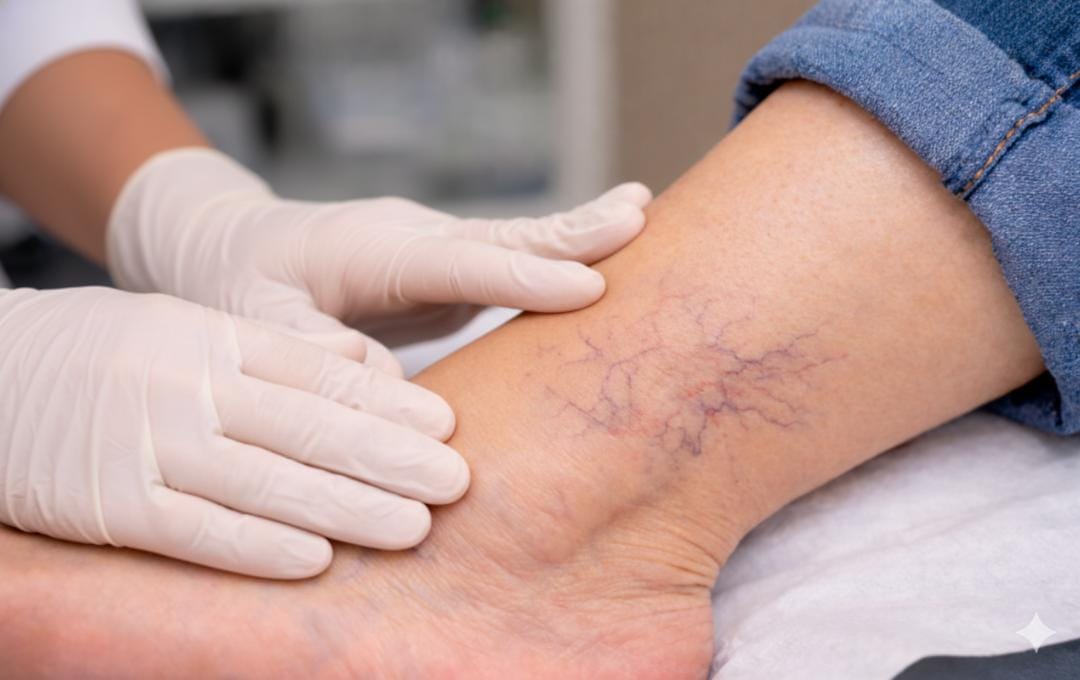
Removing spider veins without surgery involves advanced technology and medical treatments performed by an experienced vein specialist. This includes using heat energy or medicine to irritate and collapse spider veins.
After treatment, the body will naturally reabsorb the collapsed veins, and blood flow that previously passed through those veins will reroute through healthier veins. This rerouting can boost your circulation, allowing the body to recover from treatment faster.
Sclerotherapy: The Leading Spider Vein Treatment
Sclerotherapy is widely regarded as the gold standard for nonsurgical treatment of spider veins. During sclerotherapy, a specialized medical solution called a sclerosant is injected into the veins. The sclerosant irritates the spider vein, causing it to close.
Sclerotherapy is virtually painless, and patients can start noticing symptom relief and aesthetic improvements during the procedure. Full results will typically develop over several weeks. Because sclerotherapy is performed in office-based settings and requires little downtime, many patients choose it for convenience.
If you’re exploring treatment options, scheduling a consultation is a simple way to get personalized answers.
Can Spider Veins Come Back After Treatment?
Treated spider veins will not come back after treatment, but new spider veins can form if they are caused by vein disease. Additionally, carrying more than one risk factor for spider veins can increase the risk of recurrence.
Risk factors for spider veins include:
- Limited mobility (standing behind a cash register, sitting at a desk for hours, prolonged inactivity)
- Physical characteristics (thinning skin, extra weight)
- Medical history (family or previous history of spider veins)
- Bodily chemical changes (hormone replacement therapy, birth control, or smoking)
Untreated vein disease can worsen symptoms, cause additional vein damage, and increase the risk of skin changes, such as discoloration or non-healing sores on the leg. However, managing symptoms through medical treatments and self-care methods can reduce the risk of complications and symptom recurrence, including:
- Elevating the legs periodically.
- Wearing compression socks as recommended.
- Engaging in regular physical activity.
- Maintaining a healthy weight.
- Following up with a vein specialist.
Why You Should See a Vein Specialist
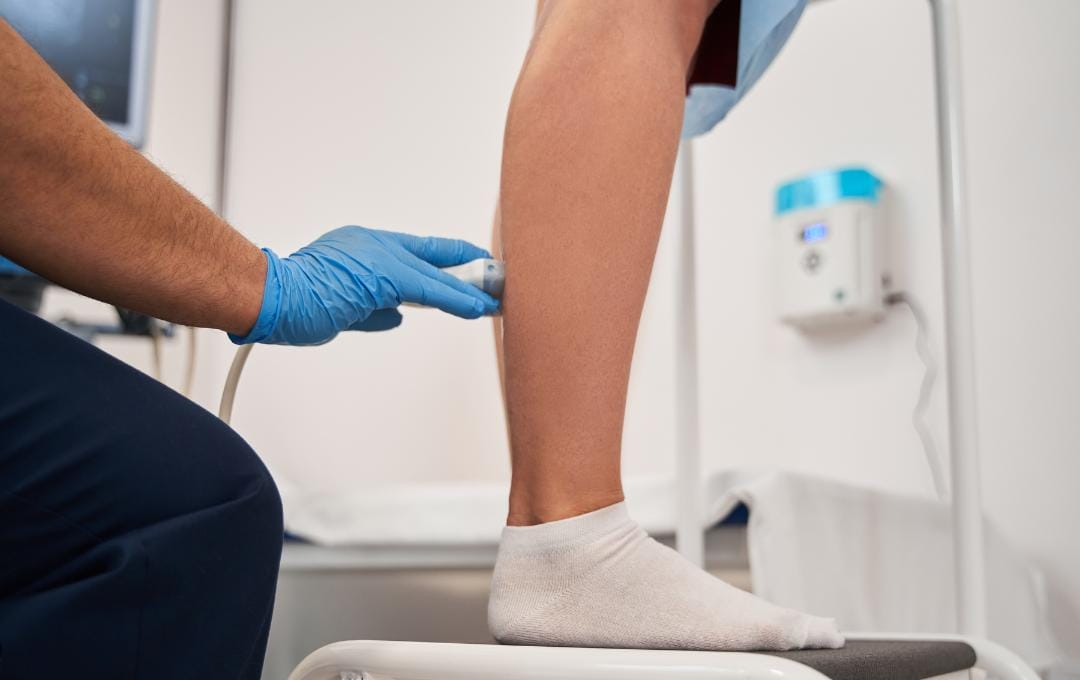
It’s recommended to see a vein specialist to get rid of spider veins if they are accompanied by leg pain, swelling, and other indicators of vein disease. This is because vein disease can affect veins deeper inside the body. This requires a more thorough evaluation that may not be available at a dermatologist’s office or medical spa.
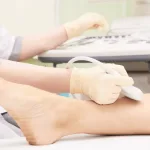
A vein specialist will use something called a duplex ultrasound to identify vein disease. This medical imaging tool takes real-time images of your veins to assess blood flow. This helps the vein specialist determine the best treatment to improve the leg’s appearance and circulation.
Choose USA Vein Clinics for Spider Vein Removal
USA Vein Clinics is a nationwide outpatient provider exclusively focused on diagnosing and treating spider veins and other signs of vein disease. Our care model combines experienced vein specialists, advanced diagnostic tools, and minimally invasive procedures to ensure patients receive the full spectrum of treatment—not just surface-level cosmetic care.
We operate more than 160 clinics across the United States, making expert care accessible. We are certified by the Intersocietal Accreditation for Vascular Testing, ensuring we provide safe and effective patient care.
For patients with symptomatic vein disease, treatment may be considered medically necessary and covered by most major insurance plans, including Medicare and Medicaid. Online scheduling, insurance verification, and flexible appointment options are available.
If you’re ready to get rid of spider veins on your legs, find a vein clinic near you to get started.
FAQs on Getting Rid of Spider Veins
Can you massage out spider veins?
It’s not recommended to massage spider veins. Gentle massaging might alleviate symptoms, but the effects are temporary. Massaging can potentially cause spider veins to leak or bruise.
Can spider veins go away?
Spider veins cannot go away on their own. Medical treatments, such as sclerotherapy, can help reduce the appearance of spider veins.
Can you get rid of spider veins naturally?
Treatment is the only proven method of removing spider veins. Horse chestnut, butcher’s broom, and essential oils may help alleviate symptoms associated with spider veins. However, they are not proven remedies that get rid of spider veins.
How long does spider vein removal take to work?
For many patients, spider vein removal procedures like sclerotherapy show results almost instantly. Patients can expect spider veins to completely fade after a few weeks.