
Medically reviewed by
USA Vein Clinics Medical Review Team
Vascular Specialists Focused on CVI
Reviewed: October 2026
Hemosiderin staining is a brown, rust-colored, or yellowish skin discoloration that forms on the lower legs and ankles when iron deposits build up beneath the skin. It develops when red blood cells break down and release iron-rich proteins into surrounding tissue – a process most often triggered by underlying vein disease. Recognizing what this discoloration signals, and why it appears where it does, can make a real difference in protecting your long-term vein and skin health.
Key Takeaway: Hemosiderin staining on the legs is often a visible sign of chronic venous insufficiency (CVI) or another form of underlying vein disease. A vein specialist can evaluate whether your discoloration is related to vein disease and discuss minimally invasive treatment options that may help prevent it from progressing. Take our vein symptom quiz to find out if vein disease could be affecting you.
What Is Hemosiderin Staining?
Hemosiderin is a form of iron that the body stores when red blood cells break down. Under normal circumstances, this process is contained and orderly. When blood vessels are under chronic pressure or are damaged, red blood cells can leak into surrounding tissue. As those cells break down, hemoglobin releases iron, which binds to proteins and forms hemosiderin deposits in the skin.[1]
Unlike a bruise, which fades as tissue heals, hemosiderin staining can persist for months or years if the condition causing it is not addressed.
What Does Hemosiderin Staining Look Like?
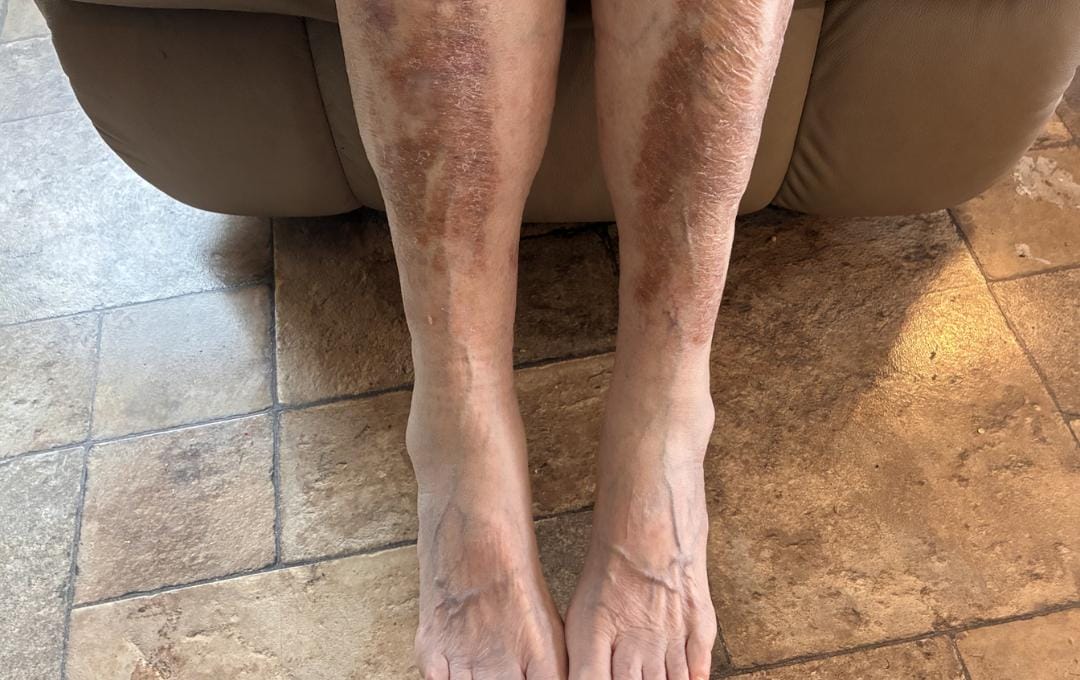
Hemosiderin staining typically appears as brown, rust-colored, or yellowish patches of skin discoloration concentrated on the lower legs and ankles. The patches may start small and faint, then gradually spread and darken over time if the underlying cause is not addressed.
The affected skin often has additional characteristics beyond the color change:
- Texture: The skin may feel dry, firmer, or thickened compared to surrounding tissue.
- Sensation: Itching is common, particularly when the underlying vein disease is more advanced.
- Skin tone variation: On darker skin tones, the staining may appear as deepened pigmentation rather than a rust-colored patch.
Unlike a bruise, hemosiderin staining does not fade with time. Without treating the vein disease causing it, the discoloration tends to remain and can intensify.
What Causes Hemosiderin Staining?
Chronic Venous Insufficiency (CVI)
The most common cause of hemosiderin staining is chronic venous insufficiency (CVI), a condition in which the one-way valves inside the leg veins weaken or fail. Healthy valves keep blood moving upward toward the heart. When they malfunction, blood flows backward and pools in the lower legs. This pooling raises pressure inside the veins, forcing blood to push through vessel walls and into surrounding tissue. Over time, the iron from those leaked red blood cells accumulates as hemosiderin in the skin.[1]
Varicose Veins
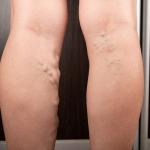
Varicose veins are enlarged, twisted veins that develop as a result of CVI. As vein walls weaken and expand, blood pressure around them increases, making the surrounding tissue more vulnerable to the kind of leakage that leads to hemosiderin staining. Not everyone with varicose veins will develop staining, but the two conditions are closely linked.[2]
Deep Vein Thrombosis (DVT)
Deep vein thrombosis occurs when a blood clot forms in a deep leg vein, obstructing normal flow and increasing venous pressure. If the clot resolves but leaves lasting valve damage, it can cause or contribute to hemosiderin staining over time. DVT requires prompt medical evaluation and is separate from the vein disease treated at USA Vein Clinics.
Other Contributing Factors
Blood thinners may make it easier for blood to leak from capillaries under minimal pressure. Prolonged standing or sitting can also raise venous pressure, particularly in individuals with existing vein disease. Previous leg injuries or trauma can release red blood cells locally, causing more isolated staining.
Hemosiderin Staining Symptoms
Hemosiderin staining on its own is primarily a visual symptom – the brown, rust, or yellowish skin discoloration described above. When it is caused by underlying vein disease, additional symptoms are typically present that reflect reduced circulation in the legs.
Common symptoms associated with hemosiderin staining and vein disease:
- Skin discoloration: Brown, rust, or yellowish patches on the lower legs and ankles that do not fade.
- Leg swelling: Puffiness or heaviness in the lower legs, especially after prolonged standing or sitting.
- Leg heaviness or aching: A persistent feeling of fatigue, dull ache, or pressure in the legs.
- Dry or itchy skin: Scaling, flaking, or persistent itching around the discolored area.
- Skin hardening: Thickened or leathery skin texture in and around the stained area.
A related condition worth recognizing is stasis dermatitis, also called varicose eczema. It develops when poor circulation causes inflammation in the skin near affected veins and presents as red, flaking, and irritated skin. Stasis dermatitis is a sign that underlying vein disease may be advancing.
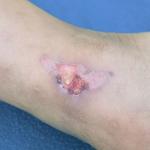
In more advanced cases, the skin in stained areas can become fragile and prone to breaking down. Without treatment, this can lead to venous leg ulcers – slow-healing wounds that require ongoing medical care. Recognizing and addressing hemosiderin staining early is an important step toward preventing these complications.
How Is Hemosiderin Staining Diagnosed?
If you notice persistent brown or rust-colored discoloration on your lower legs, a consultation with a vein specialist is the most direct next step. Diagnosis typically begins with a physical exam to evaluate the skin and assess for other signs of vein disease.
A duplex ultrasound is commonly used to visualize blood flow in the leg veins and identify reflux or valve failure. This non-invasive imaging test helps confirm whether CVI or another venous condition is contributing to the discoloration, and it guides treatment planning.[3]
Hemosiderin Staining Treatment Options
Treating the Underlying Vein Disease
Because hemosiderin staining in the legs is most often a sign of CVI or varicose veins, the most effective approach focuses on addressing the vein disease driving the problem. Treating the cause can prevent staining from progressing and may allow some gradual fading over time.
USA Vein Clinics offers several minimally invasive, outpatient vein treatment options, including:
- EVLT (Endovenous Laser Therapy): Uses laser energy to close damaged veins and reroute blood through healthier ones.
- RFA (Radiofrequency Ablation): Uses radiofrequency energy to collapse and seal affected veins.
- VenaSeal: A medical adhesive that closes diseased veins without heat.
- Sclerotherapy: An injectable solution that closes smaller varicose veins and spider veins.
All of these procedures are performed in an outpatient setting, require no general anesthesia, and involve minimal recovery time.
Compression Therapy
Compression stockings are often recommended as a conservative first step. They apply graduated pressure to the legs, helping blood move upward and reducing the pooling that leads to leakage and iron deposits. Compression does not treat the underlying valve failure, but it can slow progression and reduce discomfort while a treatment plan is being developed.
Lifestyle Modifications
Supporting circulation through daily habits may help slow the development of hemosiderin staining and reduce associated symptoms. Helpful steps include regular walking or low-impact exercise, elevating the legs above heart level when resting, maintaining a healthy weight, staying hydrated, and avoiding prolonged sitting or standing without movement.
Can USA Vein Clinics Help?
Hemosiderin staining is a visible sign of what may be happening inside your veins. Discoloration that does not fade, or that spreads and darkens over time, is a reason to have your vein health evaluated. With more than 160 locations nationwide, USA Vein Clinics makes it straightforward to connect with a vein specialist who can assess your condition, perform an ultrasound if needed, and walk you through your options.
Treatment is individualized to each patient’s condition. Not every person with hemosiderin staining will need the same approach, and a specialist can help determine what makes sense for your situation.
Treatment Options
Skip the Discoloration. Address What’s Happening Inside.
Topical creams and skin treatments may improve the appearance of hemosiderin staining, but they do not address the vein disease that may be causing it. Staining related to CVI or varicose veins requires treating the underlying problem to prevent further progression.
USA Vein Clinics offers minimally invasive, outpatient vein treatments performed without general anesthesia and with minimal downtime. A consultation is the first step toward understanding what is driving your symptoms.
FAQs About Hemosiderin Staining
- Grevious, M., et al. “Cutaneous Hemosiderosis in Chronic Venous Insufficiency.” Osteopathic Family Physician, Vol. 14, No. 3, 2022.
- Tawfick, W., et al. “Skin iron deposition characterises lipodermatosclerosis and leg ulcer.” European Journal of Vascular and Endovascular Surgery, 2011. PubMed PMID: 20880725.
- UCLA Health. “Hemosiderin staining: product of trauma or venous insufficiency.” Accessed October 2026.
- National Center for Biotechnology Information. “Hemosiderin pigmentation of skin due to venous insufficiency.” MedGen CID C1276135. Accessed October 2026.
Medical disclaimer: This article provides educational information about vein disease and treatment options. It is not a diagnosis or medical advice. Only a qualified vein specialist can determine whether you have vein disease or recommend appropriate treatment. If you have leg swelling, pain, or other vascular symptoms, consult a healthcare provider or contact USA Vein Clinics for an evaluation.