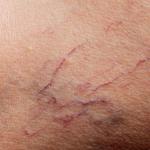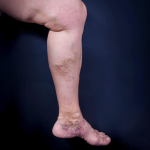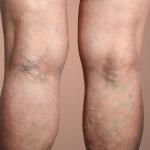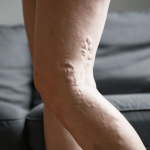

Those thin, web-like veins appearing on your body might make you wonder if they are a medical risk or nothing to worry about. While often viewed as a cosmetic issue, spider veins can actually be the first visible sign of an underlying condition that slowly damages your veins. Because this condition can get progressively worse, it is important to understand when spider veins are dangerous and how early treatment can prevent serious complications.
Book A Spider Vein Consultation
When Are Spider Veins a Health Concern?
Spider veins are a concern when caused by chronic venous insufficiency (CVI) or other vein diseases. CVI occurs when veins become weak or damaged, causing blood to pool in the legs instead of returning to the heart. This adds pressure on the veins and creates symptoms, such as:
- Swelling
- Aching or throbbing
- Heaviness or fatigue
- Burning or itching sensations
- Varicose veins
Spider veins can develop anywhere on the body, but spider veins on the ankles and feet are more closely associated with CVI. Because CVI worsens over time, neglecting treatment exacerbates symptoms and leads to further vein damage. If you are concerned that your spider veins may indicate CVI, take our short quiz to determine whether you need to schedule an appointment.
Are You at Risk for CVI?
If you have one or more of the following risk factors, your spider veins may be an early indicator of chronic venous insufficiency (CVI).
| Risk Factor | Why It Matters |
| Family History | Genetics is a major indicator of CVI risk. |
| Activity Level | Prolonged sitting or standing causes blood to pool. |
| History of Clots | Previous DVT can cause permanent vein damage. |
| Weight and Pregnancy | Added pressure and hormonal changes can weaken vein walls. |
| Aging & Gender | Veins naturally weaken over time, and women are at a higher risk. |
| Smoking | Nicotine causes inflammation and restricts blood flow. |
| Sun Exposure | UV rays break down collagen, making smaller veins more visible. |
When to See a Doctor for Spider Veins
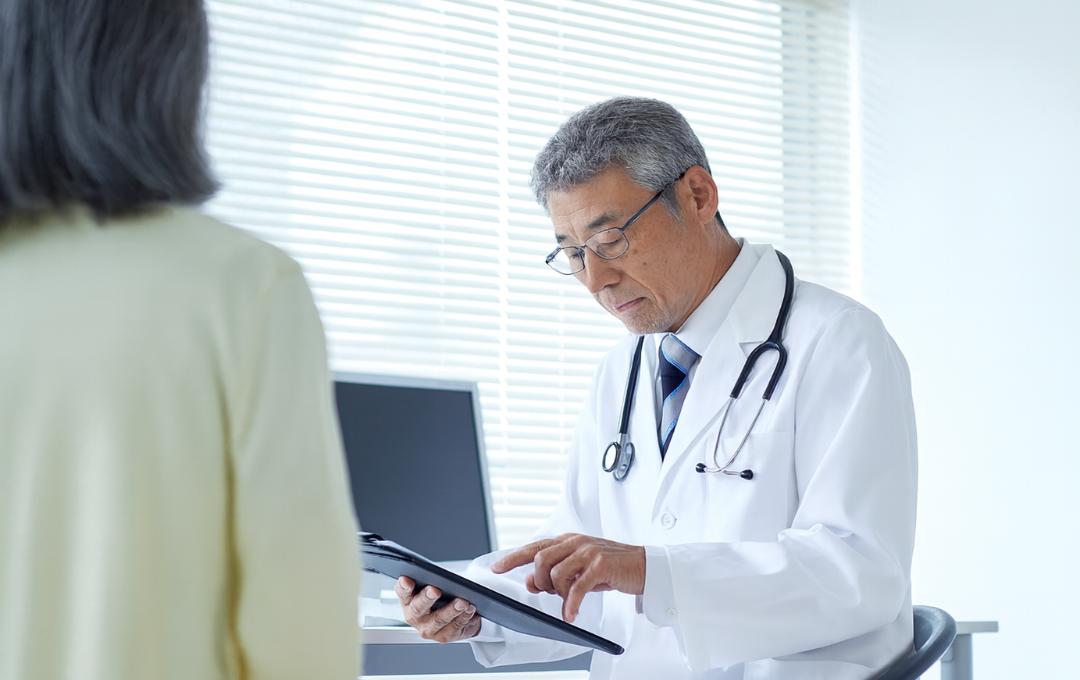
While often cosmetic, spider veins are potentially dangerous when they indicate an underlying circulatory issue. Consider scheduling a medical evaluation with a vein specialist if you notice:
- Physical Discomfort: Aching, burning, or swelling.
- Skin Changes: Itching, discoloration, or changes in skin texture around the veins.
- Visible Progression: Veins that appear suddenly or become more prominent.
Early assessment is the only way to rule out chronic venous insufficiency (CVI). If CVI is detected, a vein specialist can recommend a treatment option that effectively alleviates spider veins and the underlying cause, preventing further complications.
How Doctors Treat Spider Veins

Doctors typically treat spider veins with a minimally invasive procedure called sclerotherapy. During the treatment, a vein specialist injects a medical solution into the affected vein to irritate and close it. Once the vein is sealed, blood naturally reroutes through healthier veins.
The spider vein will gradually fade as the body absorbs it, not only improving the skin’s appearance but also reducing related symptoms such as pain and swelling. This procedure is quick with little to no downtime, so patients can return home shortly after treatment.
Are Spider Veins Dangerous to Treat?
Spider veins are not dangerous to treat, especially when a qualified vein specialist performs the procedure. Most patients find that sclerotherapy is virtually painless and comes with minimal risks and side effects.
For many people, treating spider veins is not only safe but also an important step toward preventing symptom progression.
Treat Spider Veins with USA Vein Clinics
Choosing the right provider is essential for safe and effective treatment. USA Vein Clinics’ team of vein specialists, many of whom are board-certified, have extensive experience diagnosing and treating CVI, including varicose and spider veins that could become dangerous.
USA Vein Clinics is a nationwide network with over 160 clinics, and we’ve helped thousands of patients find relief through personalized, non-surgical treatment plans. Early diagnosis and treatment can prevent symptoms from worsening and help you maintain healthy veins.
If you are ready to take the next step in finding relief from spider veins, schedule a consultation online or by calling (888) 768-3467.
FAQs About Spider Veins
Can spider veins cause blood clots?
Spider veins do not cause blood clots. However, spider veins caused by underlying vein disease can increase the risk. Pay attention to new symptoms such as swelling on one leg, increased pain, and redness or warmth in the affected area. If you notice these symptoms, seek medical attention immediately.
Can spider veins turn into varicose veins?
No, spider veins do not transform into varicose veins, but both can result from weakened vein valves. Their presence together may indicate chronic venous insufficiency (CVI) if you also notice leg pain, swelling, fatigue, and heaviness.
Are spider veins on the feet dangerous?
Spider veins, in general, are not dangerous. However, spider veins on the feet can be dangerous if they are associated with underlying vein disease.