
Medically reviewed by
Dr. Jacob White, MD
Vein Specialist and Interventional Radiologist Reviewed: November 2026
Menopause does not directly cause varicose veins, but hormonal changes during this transition can significantly affect vein health, making symptoms more likely to appear or worsen. For many women, varicose veins first become noticeable during perimenopause or in the years immediately after their last period. Understanding the connection between menopause and varicose veins can help you recognize when changes in your legs may signal more than normal aging. Hormonal shifts during this time may affect the elasticity of vein walls, and research has linked higher estrogen levels in menopausal women with varicose veins
Does Menopause Cause Varicose Veins?
Menopause does not directly cause varicose veins, but it can contribute to conditions that make them more likely to develop. Varicose veins form when the one-way valves inside leg veins weaken or stop working correctly, allowing blood to flow backward and pool in the lower legs. This underlying condition is known as chronic venous insufficiency (CVI).[1]
Hormonal changes during menopause can accelerate vein valve dysfunction. As estrogen and progesterone levels decline, vein walls may lose some of their elasticity, and the valves that keep blood moving in the right direction may become less effective. Over time, this can increase the risk of venous reflux and the visible, bulging veins associated with varicose vein disease.[2]
Research shows that varicose veins affect women at roughly twice the rate of men in the same age group, with prevalence rising significantly during the perimenopausal and menopausal years.[1] Hormonal shifts play a meaningful role in that difference, though they are rarely the only contributing factor.
How Does Menopause Affect Your Veins?
The Role of Estrogen in Vein Health
Estrogen plays an important role in maintaining vein wall flexibility. Among its many functions, estrogen supports the production of nitric oxide, a compound that helps keep blood vessels relaxed and pliable. As estrogen levels fall during menopause, veins can become stiffer and less able to manage the pressure of blood flow returning from the legs. This gradual loss of flexibility may allow damaged valves to worsen over time and may contribute to symptoms such as leg heaviness, swelling, or visible veins.[2]
Reading more about the relationship between hormones and vein disease can help you understand why these symptoms tend to emerge or worsen during the perimenopausal years.
How Progesterone Affects Vein Walls
Progesterone also influences how veins respond to circulatory pressure. Research has found a higher concentration of progesterone receptors in the vein walls of women with varicose veins, suggesting that hormonal changes may directly affect vein structure and valve function.[3] As progesterone declines during the menopausal transition, these structural changes in the vein walls may become more pronounced, a process that can begin years before menopause officially occurs.
Can Perimenopause Cause Varicose Veins?
Many women first notice worsening varicose veins during perimenopause, the transitional period that can begin years before the last menstrual period. Fluctuating estrogen and progesterone levels during this stage can affect vein wall elasticity and valve function, potentially contributing to symptoms such as leg heaviness, aching, swelling, and more noticeable veins.
What makes perimenopause particularly significant for vein health is that hormone levels during this phase do not simply decline in a straight line. The irregular rises and drops in estrogen and progesterone may actually create more pronounced effects on vein structure than the steadier post-menopausal decline. Some women notice new spider veins or worsening varicose veins in their late 30s or early 40s, often before they realize perimenopause has begun.
If you have been noticing changes in your veins alongside other signs of hormonal transition, such as irregular cycles, sleep disruption, or mood changes, perimenopause may be a contributing factor worth discussing with a vein specialist.
Looking for a vein clinic near you? Find a location in your area.
Other Risk Factors For Varicose Veins During Menopause
Hormonal changes are not the only factor that can affect vein health during the menopausal years. Several changes that commonly occur during this life stage can compound the effect of declining hormone levels on vein valves and circulation:
- Weight changes: Metabolism can slow during menopause, and unintended weight gain increases pressure on leg veins. Added pressure accelerates vein valve dysfunction and can make existing symptoms more noticeable.
- Reduced activity: A more sedentary lifestyle increases the time blood spends pooling in leg veins, adding to the effects of weakened valves.
- Extended sitting or standing: Prolonged periods in one position reduce the pumping action of the calf muscles, which normally help move blood upward through the veins.
- Family history: A personal or family history of varicose veins or vein disease increases individual risk. For women who carry this predisposition, the hormonal changes of menopause may trigger earlier or more pronounced vein symptoms.
- Multiple pregnancies: Each pregnancy adds cumulative stress to leg veins. Women with a history of pregnancy-related vein symptoms may notice those symptoms return or worsen during menopause.
Understanding your full risk picture, including hormonal, lifestyle, and genetic factors, is an important step toward deciding whether a vein evaluation may be appropriate.
What Can You Do About Varicose Veins During Menopause?
Lifestyle changes may help slow the progression of vein symptoms, though they cannot reverse underlying valve damage. The following steps are often recommended as part of a broader vein health management approach:
- Wear graduated compression stockings, which provide external support to help move blood upward and reduce leg swelling throughout the day.
- Stay active with low-impact exercise such as walking, cycling, or swimming. These activities engage calf muscles and support venous return without adding excessive pressure to the veins.
- Elevate your legs when resting to reduce venous pressure and help blood drain back toward the heart.
- Avoid prolonged sitting or standing in one position; taking short movement breaks throughout the day can help maintain circulation.
- Maintain a healthy weight to reduce pressure on leg veins.
Hormone replacement therapy (HRT) may help address some of the hormonal changes associated with menopause, but its relationship with vein health is nuanced. Some formulations of HRT, particularly oral estrogen, may affect clotting factors in ways that are relevant for women who already have venous disease. If you are considering HRT and also have concerns about your veins, discussing both topics with the appropriate specialists is advisable. Your prescribing physician and a vein specialist can help you weigh your individual risks and options.[4]
Minimally Invasive Treatment Options for Varicose Veins
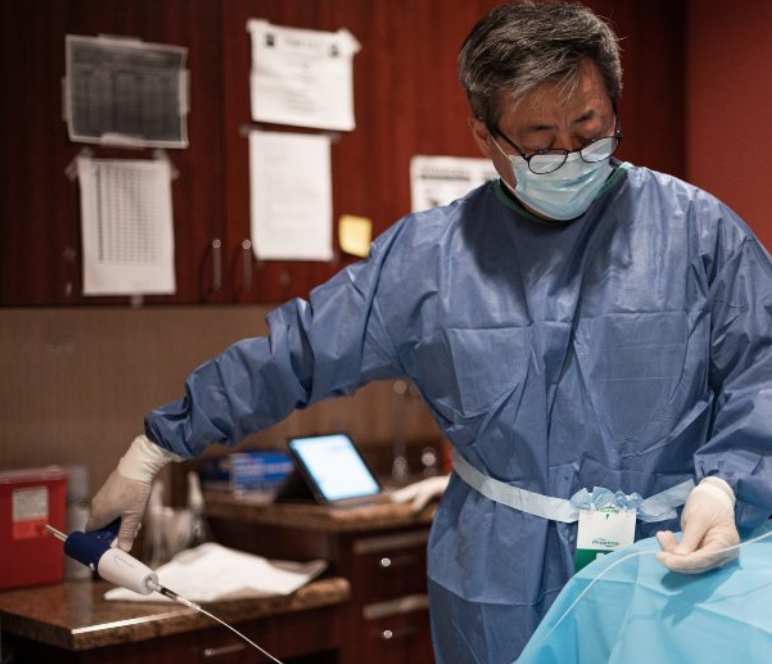
When lifestyle measures are not sufficient to manage symptoms, or when varicose veins are affecting your daily comfort and quality of life, minimally invasive vein treatments may be an option. These procedures are designed to close the affected vein, allowing blood to reroute through healthier veins nearby. Most are performed in an outpatient setting and do not require general anesthesia.
USA Vein Clinics offers several image-guided, outpatient treatment options for underlying vein disease:
- EVLT (Endovenous Laser Therapy): A thin laser fiber is guided into the affected vein to close it using controlled heat energy.
- RFA (Radiofrequency Ablation): Uses radiofrequency energy rather than laser to close the damaged vein, with a similar mechanism and outcome to EVLT.
- VenaSeal: A medical adhesive is used to seal the affected vein closed, without heat energy or tumescent anesthesia.
- Varithena (Microfoam Sclerotherapy): A specially formulated foam agent is injected into the affected vein to close it.
- Ultrasound-Guided Sclerotherapy: A sclerosing solution is injected under ultrasound visualization, allowing precise treatment of veins that are not visible from the surface.
Treatment candidacy is determined following a duplex ultrasound evaluation, which maps the venous reflux and identifies which veins are contributing to your symptoms. This diagnostic step confirms whether underlying vein disease is present and guides the most appropriate treatment approach for your situation.[1]
Vein Specialist Evaluation
Your Vein Symptoms Deserve Answers.
If you have noticed new or worsening varicose veins during perimenopause or menopause, they may be a sign of underlying vein disease that can be evaluated and treated. Waiting to see whether symptoms resolve on their own is not always the right path.
USA Vein Clinics offers minimally invasive, outpatient vein treatments performed by experienced vein specialists without general anesthesia. A vein evaluation starts with understanding your symptoms and a duplex ultrasound to see what is happening beneath the skin.
FAQs About Menopause and Varicose Veins
- National Heart, Lung, and Blood Institute. “Varicose Veins – Causes and Risk Factors.” National Institutes of Health. nhlbi.nih.gov/health/varicose-veins
- Office on Women’s Health, U.S. Department of Health and Human Services. “Varicose Veins.” womenshealth.gov/a-z-topics/varicose-veins
- Rabe E, et al. “Epidemiology of chronic venous disorders in geographically diverse populations: Results from the Vein Consult Program.” International Angiology. 2020;39(2):98-147.
- American College of Obstetricians and Gynecologists. “Hormone Therapy for Menopause.” acog.org
Medical disclaimer: This article provides educational information about vein disease and treatment options. It is not a diagnosis or medical advice. Only a qualified vein specialist can determine whether you have vein disease or recommend appropriate treatment. If you have leg swelling, pain, or other vascular symptoms, consult a healthcare provider or contact USA Vein Clinics for an evaluation.