
If you’re dealing with varicose veins, you’ve likely come across laser treatment as a potential solution. While laser treatments are effective in reducing the appearance of varicose veins—and accompanying symptoms such as leg pain, swelling, and fatigue— it’s not uncommon to question whether laser treatment is safe.
Laser vein treatment is widely used as a non-surgical, outpatient option that closes varicose veins with precision. Vein specialists at USA Vein Clinics consider it a gold standard because of its high success rates, minimal risks, and speedy recovery.
Understanding how laser treatment works, along with its safety profile, benefits, and potential side effects, can help you feel more confident in deciding if it’s the right option for you.
Understanding Laser Treatment for Varicose Veins
Laser treatments for varicose veins are minimally invasive procedures that use focused thermal energy to close veins that are not functioning properly due to chronic venous insufficiency (CVI). Instead of removing the vein, specialists treat the vein from within.
There can be confusion about what laser treatment entails. Some laser therapies are used on the surface of the skin to treat spider veins cosmetically. Laser treatment for varicose veins typically refers to endovenous laser treatment (EVLT) or endovenous laser ablation, which can reduce symptoms such as:
- Leg pain, aching, or cramping
- Swelling, which can occur in one or both legs
- Tired or “heavy” legs
How Endovenous Laser Treatment Closes Veins
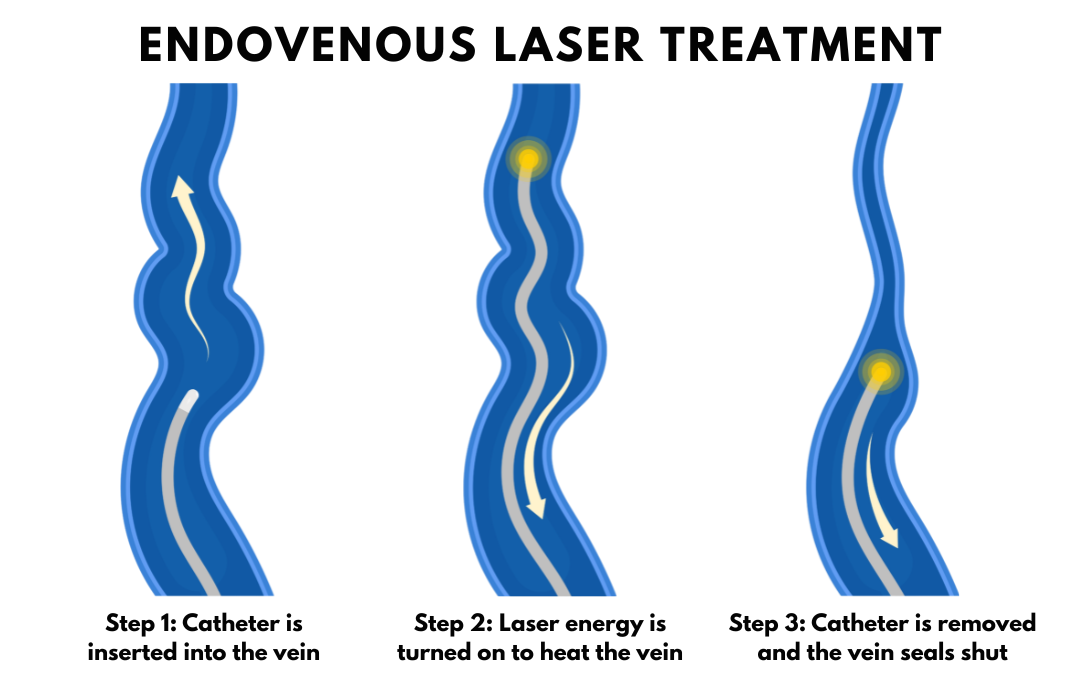
Vein specialists will use specialized equipment during EVLT to ensure the treatment is precise and effective. When laser energy is used, it will heat the vein, which causes it to close.
During the laser vein procedure:
- A local anesthetic is administered, allowing patients to remain awake and comfortable.
- The vein specialist will insert a catheter with a fiber into the affected veins with ultrasound guidance.
- After inserting the catheter, controlled laser energy is delivered.
- The vein will collapse and seal itself closed.
Once the vein collapses, the body will reabsorb it over time and improve circulation by redirecting blood flow through healthier veins. Because EVLT only targets the diseased vein, the surrounding tissue is preserved. Patients will leave their appointment with nothing more than a small adhesive bandage over the insertion site.
Benefits of Laser Treatment for Varicose Veins
Vein specialists consider laser vein therapy procedures, such as EVLT, beneficial to patients for the following reasons:
- Minimally invasive treatment: No stitches or large incisions
- Short procedure time: Treatments are designed for the modern schedule
- Quick return to routine: Patients resume normal routines within a day
- Symptom improvement: Relief from discomfort, fatigue, pain, and swelling in the legs
- Visible improvement over time: Varicose veins fade as the body heals
These factors are why laser-based treatments are commonly recommended for patients who want effective results without a prolonged recovery.
Possible Side Effects of Laser Treatment for Varicose Veins
Medical experts note that laser treatments for varicose veins are generally well tolerated. This is due to the minimally invasive process of laser therapy, which makes the treatment recovery straightforward and manageable.
Possible side effects patients may experience include:
- Mild bruising or tenderness near the treatment area
- A feeling of tightness or pulling along the treated vein
- Temporary redness or warmth in the skin
- Slight swelling that improves over time
These effects are part of the normal healing process and usually resolve quickly. Patients are encouraged to keep moving during recovery and wear compression socks to help boost circulation and aid in healing.
What Is the Success Rate of Laser Treatment for Varicose Veins?
Research has shown that laser treatments for varicose veins, such as EVLT, have a strong track record of being effective with long-lasting results. One study from the National Institutes of Health notes that 93 percent of patients who received EVLT reported symptom relief after a 12-month follow-up.1
While individual patient satisfaction can vary depending on the diagnosis and adherence to post-treatment guidance, most patients will experience reduced leg discomfort, less swelling, and gradual improvement in appearance.
Is Laser Vein Treatment Right for You?
Laser varicose vein treatment may be right for you if you have large, winding varicose veins on the legs that also cause swelling, aching, and fatigue. Symptomatic varicose veins often indicate chronic venous insufficiency (CVI), which can signal that veins deep inside the body may also be affected.
Laser treatments may not be appropriate for every patient with varicose veins. Treatments such as EVLT are not suitable for smaller varicose veins or spider veins. EVLT is not recommended for people who are pregnant, breastfeeding, or have blood clots.
If you are struggling with symptomatic varicose veins and are unsure which treatment is right for you, talk to a vein specialist. A vein specialist can review your symptoms and determine which treatment can best help your condition.
How USA Vein Clinics Can Help
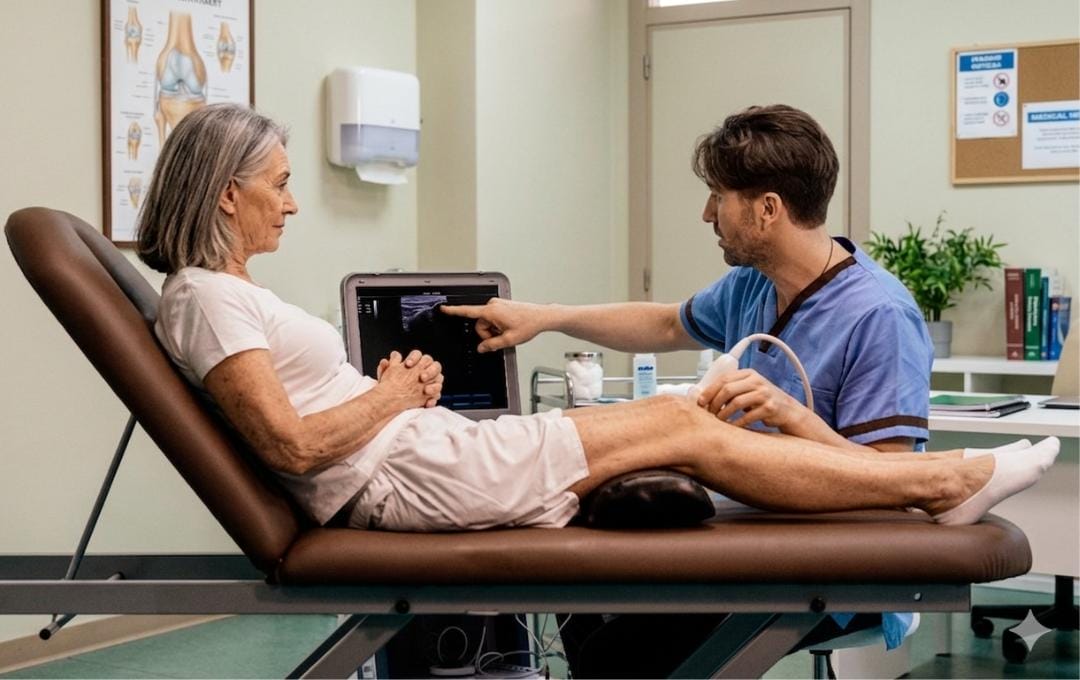
At USA Vein Clinics, our specialists are experienced in performing minimally invasive procedures such as laser treatments for varicose veins. With patient safety and comfort as the number one priority, our vein specialists will use evidence-based methods that relieve painful varicose vein symptoms—without the risks of serious side effects or complications.
We are also recognized by the Intersocietal Accreditation Commission (IAC). Obtaining this accreditation involves rigorous evaluations to ensure our clinics provide the highest national standards for minimally invasive treatment.
Our commitment to exceptional care is consistently appreciated by patients across the county, such as Clara R. of New Jersey.
“I am very pleased with how the procedures have turned out so far,” said Clara R. “I was having severe cramping in both my legs, but since having this done, they are gone. Thank you USA Vein Clinics for all you have done for me.”
Laser treatments such as EVLT can qualify for insurance coverage. Coverage can vary depending on the insurance plan and insurer requirements. To help patients understand their coverage before treatment, insurance verification is available during the online scheduling process.
If you’re ready to discuss laser treatment for your varicose veins, schedule a consultation online today.
FAQs About Laser Treatments for Varicose Veins
What are the risks of a varicose vein laser treatment?
Varicose vein laser treatments are considered low risk when performed by a trained specialist. Most patients experience mild, temporary effects such as bruising, tenderness, or tightness. These typically resolve quickly and do not interfere with normal activities.
What’s the safest treatment for varicose veins?
The safest treatment for varicose veins will depend on your specific vein condition. Minimally invasive options like laser vein therapy are widely used because they are precise, performed in an outpatient setting, and have a well-established safety profile. An ultrasound evaluation helps guide the safest approach.
What are the drawbacks of laser therapy?
Compared to older methods like vein stripping, laser therapy has minimal drawbacks. It requires local anesthesia and a short recovery period. Some temporary discomfort or tightness may occur, but these side effects are typically mild and resolve quickly.