

At a glance, visible veins can be confusing. Some are completely normal, while others may point to early vein disease. Understanding normal veins vs reticular veins is key to knowing when what you’re seeing is harmless and when it may need medical attention.
Why The Difference Between Normal Veins vs Reticular Veins Matters
Not all visible veins are a cause for concern. In fact, many people—especially those with lighter skin tones or lower body fat—naturally have veins that are easy to see. However, reticular veins are different. They often signal changes in how blood is flowing through your veins.
The distinction comes down to function, appearance, and symptoms, not just visibility.
What Are Normal Veins?

Normal veins are part of a healthy circulatory system, carrying blood back to the heart efficiently.
Key characteristics of normal veins:
- Light blue or slightly green in appearance
- Flat or only slightly raised
- Evenly distributed under the skin
- Typically not clustered or branching abnormally
- No associated pain, swelling, or discomfort
It’s completely normal to see veins on areas like the hands, arms, or feet—especially after exercise, in warm temperatures, or as you age.
What Are Reticular Veins?
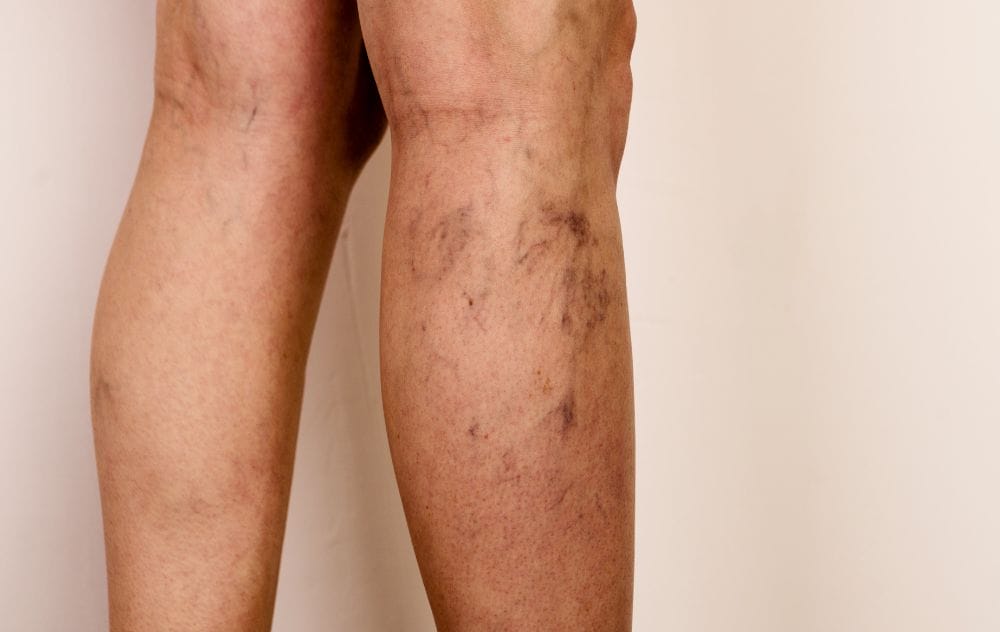
Reticular veins are larger, more noticeable veins that sit just beneath the skin’s surface. They are often considered an early stage of vein disease.
Key characteristics of reticular veins:
- Blue or green in color
- Larger and more prominent than normal veins
- Often appear in clusters or branching patterns
- Commonly found on the legs, especially behind the knees
- May cause symptoms like aching, heaviness, or fatigue
Reticular veins are sometimes referred to as “feeder veins” because they can contribute to the development of spider veins.
Normal Veins & Reticular Veins Comparison
| Feature | Normal Veins | Reticular Veins |
|---|---|---|
| Function | Healthy blood flow | May indicate impaired circulation |
| Appearance | Subtle, evenly spaced | More visible, clustered |
| Color | Light blue or green | Darker blue or green |
| Size | Small to moderate | Larger, more prominent |
| Symptoms | None | Aching, heaviness, discomfort |
| Clinical concern | Typically none | May signal early vein disease |
Why Do Reticular Veins Develop?
Reticular veins often develop due to underlying venous insufficiency, where vein valves don’t function properly. This can lead to blood pooling instead of flowing efficiently.
Common risk factors include:
- Family history of vein disease
- Prolonged sitting or standing
- Hormonal changes (pregnancy, menopause)
- Aging
- Excess weight
- Lack of physical activity
Over time, increased pressure in the veins can cause them to enlarge and become more visible.
Are Reticular Veins a Sign of a Bigger Issue?
While reticular veins are not always dangerous, they can be an early indicator of chronic venous insufficiency (CVI). Left untreated, vein issues can progress to:
- Spider veins
- Varicose veins
- Leg swelling
- Skin discoloration
- In more advanced cases, skin ulcers
That’s why it’s important to monitor symptoms—not just appearance.
When Are Visible Veins Considered Normal?
Visible veins are typically considered normal when they:
- Do not cause pain or discomfort
- Do not change in size or appearance over time
- Are not accompanied by swelling or skin changes
- Appear symmetrically and consistently
If your veins have always looked a certain way and haven’t changed, they are likely part of your normal anatomy.
TAKE OUR INTERACTIVE QUIZ TO EVALUATE YOUR VEIN HEALTH
Treatment Options for Reticular Veins
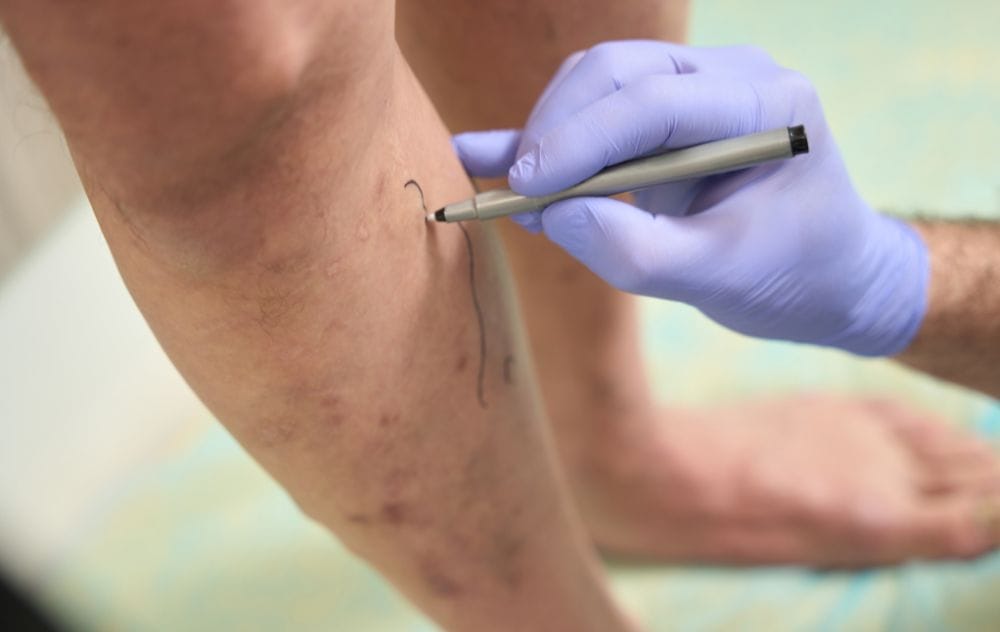
If reticular veins are causing symptoms or cosmetic concerns, several minimally invasive treatments are available:
- Sclerotherapy
A solution is injected into the vein, causing it to close and fade over time - Ultrasound-guided sclerotherapy (USGS)
Used for deeper or more complex veins - Endovenous treatments (EVLT, RFA, VenaSeal)
Address underlying vein dysfunction when present
These treatments are typically outpatient procedures with little to no downtime.
Explore Our Vein Treatment Options
The Bottom Line on Normal Veins vs Reticular Veins
The difference between normal veins vs reticular veins isn’t just about how they look—it’s about how well your veins are functioning. While normal veins are a healthy part of circulation, reticular veins can be an early sign that your veins need attention.
Recognizing these differences early can help you take proactive steps before symptoms progress.
How USA Vein Clinics Can Help
If you’re unsure whether your veins are normal or a sign of something more, a professional evaluation can provide clarity. At USA Vein Clinics, specialists use ultrasound technology to assess vein health and recommend personalized, minimally invasive treatments when needed.
Early evaluation can help address concerns before they develop into more advanced vein conditions.
Schedule a consultation at one of our vein clinics near you to learn more about your vein health and treatment options.


