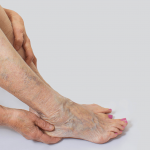

Varicose veins can form deep in the leg without ever showing on the surface of your skin. These hidden varicose veins come from the same valve and vein wall damage as visible ones, but muscle and connective tissue keep them out of view. That means the aching, swelling, and heaviness in your legs can be real signs of vein disease, even when your skin looks normal.
Here is what causes this type of vein disease, how a vein specialist finds it, and what tends to help once it is confirmed.
What Are Hidden Varicose Veins?
Hidden varicose veins are a real form of vein disease, even though you cannot see them. They come from the same weakened valves and vein wall damage as visible varicose veins. The only real difference is where they sit in the leg, which is why they can still cause real symptoms without ever showing on the surface.
Why Some Varicose Veins Never Show on the Skin
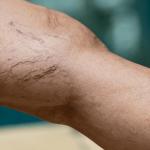
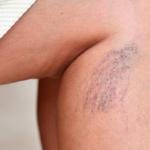
Your legs use two connected vein networks to move blood back to the heart. Some veins sit close to the surface, just under the skin. When these veins become damaged, they turn into the classic bulging, bluish lines most people picture. Other veins run deeper. Muscle and connective tissue cushion them. Small linking veins connect these deeper veins to the surface network. When the valves inside a deeper vein weaken, blood pools there too. The surrounding tissue simply hides the bulge from view.
At USA Vein Clinics, Dr. Feldman and our vein specialists use duplex ultrasound to map both the surface and deeper leg veins before recommending treatment. This step shows exactly where blood flow is abnormal, whether or not a vein is visible.
Signs and Symptoms of Hidden Varicose Veins
Because these veins stay out of sight, symptoms are often the only clue. Common signs include:
- Aching or heavy legs: A feeling of fatigue or discomfort that often gets worse after standing or sitting for a long time.
- Swelling: Puffiness around the ankles or calves that tends to build throughout the day.
- Night cramps or restless legs: Cramping or an urge to move your legs after dark can point to deeper vein issues.
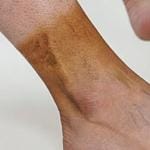
- Skin changes: Itching, discoloration, or thickened skin can develop from poor circulation over time.
- Fatigue: Legs that feel tired even without much physical activity.
These symptoms can overlap with other conditions. A vein specialist evaluation is the most reliable way to confirm vein disease is the cause.
What Causes Hidden Varicose Veins to Develop
Hidden varicose veins form for the same reasons visible ones do. Genetics play a role. So do extra weight, pregnancy, and age. Jobs or habits that involve long periods of standing or sitting add to the risk too.1
Healthy veins have tiny one-way valves. These valves keep blood moving up toward the heart. When a valve weakens, blood flows backward instead and starts to pool. Over time, this pressure stretches the vein wall.2 Deeper veins face this same pressure. Nothing has to be visible on the outside for the problem to be real.
How Vein Specialists Diagnose Hidden Varicose Veins
Hidden varicose veins do not create a visible bulge. That means a physical exam alone is rarely enough to confirm them. Vein specialists rely on imaging instead:
- Duplex ultrasound: A painless, non-invasive scan that uses sound waves to map blood flow. It can detect pooling in both surface and deeper veins.
- Venography: An imaging test where a contrast dye is injected into the vein so X-rays can highlight problem areas. This test is used less often than ultrasound and is usually reserved for more complex cases.
If you suspect hidden varicose veins, a vein disease symptoms evaluation with a vein specialist can confirm whether reflux is present and guide your next steps.
Why Treating Hidden Varicose Veins Matters
Hidden varicose veins are not just a cosmetic question. There is nothing to see in the first place. Left untreated, the vein problem underneath can still get worse. Over time, it may contribute to skin changes, venous leg ulcers, and worsening chronic venous insufficiency.3
This is different from a blood clot. Knowing the warning signs of a blood clot can help you know when to seek care right away. Addressing ongoing vein disease early, rather than waiting for a visible vein to appear, may help manage symptoms and support healthier circulation going forward.
Treatment Options for Hidden Varicose Veins
Once imaging confirms which vein is affected, treatment works the same way it does for a visible varicose vein. The goal is to close the damaged vein so blood can reroute through a healthier one nearby. USA Vein Clinics offers several minimally invasive, outpatient options. These include endovenous laser treatment (EVLT), radiofrequency ablation, VenaSeal, Varithena, and ultrasound-guided sclerotherapy. These procedures use local numbing medicine, not general anesthesia, and involve minimal downtime. Because ultrasound can map a hidden vein just as precisely as a visible one, a vein specialist can target it with the same accuracy.
How USA Vein Clinics Can Help
Unexplained leg pain, swelling, or heaviness is frustrating, especially with no visible vein to point to. Your symptoms are still a valid reason to get checked.
At USA Vein Clinics, Dr. Feldman and our vein specialists start with a conversation about your symptoms and history. Next, they use duplex ultrasound to see exactly what is happening beneath the skin. From there, they can walk you through which minimally invasive options may fit your case. That gives you an actual plan instead of more guessing.
Hidden Vein Disease
Your Legs Don’t Have to Look a Certain Way to Hurt
Hidden varicose veins can cause the same discomfort as visible ones, even without any bulging veins to see. A duplex ultrasound can confirm what is happening beneath the surface.
USA Vein Clinics offers minimally invasive, outpatient vein treatments performed without general anesthesia and with minimal downtime. A vein specialist can evaluate your symptoms and discuss which option may be right for you.
Frequently Asked Questions About Hidden Varicose Veins
- American College of Phlebology. “Patient Guide to Varicose Veins.” Accessed 2026.
- National Center for Biotechnology Information (NCBI). “Chronic Venous Insufficiency: A Review.” National Institutes of Health.
- National Institutes of Health (NIH), National Center for Biotechnology Information (PMC). “How Does Chronic Venous Disease Progress From the First Symptoms to the Advanced Stages? A Review.” Advances in Therapy, 2019.
Medical disclaimer: This article provides educational information about vein disease and treatment options. It is not a diagnosis or medical advice. Only a qualified vein specialist can determine whether you have vein disease or recommend appropriate treatment. If you have leg swelling, pain, or other vascular symptoms, consult a healthcare provider or contact USA Vein Clinics for an evaluation.