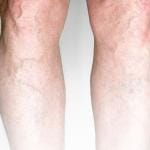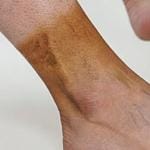


Understanding DVT, SVT, and vein disease risk starts with knowing varicose veins and blood clots are connected, but the connection is more nuanced than most people realize. The type of clot, where it forms, and what other factors are present determine whether you need a routine evaluation or same-day care.
Topics covered
- Can Varicose Veins Cause Blood Clots? The Role of Venous Insufficiency
- Two Types of Blood Clots Associated With Varicose Veins
- Warning Signs That Need Urgent or Emergency Care
- SVT Warning Signs: When to See a Vein Specialist
- Risk Factors That Raise Your Chances of a Blood Clot With Varicose Veins
- How Are Varicose Vein-Related Blood Clots Diagnosed?
- Varicose Veins Are More Than a Cosmetic Concern
- Frequently Asked Questions
The faulty valves associated with varicose veins can cause venous stasis, a condition in which blood pools within the veins. Reduced circulation increases the risk of clot formation, including superficial thrombophlebitis and deep vein thrombosis (DVT), which can become life-threatening if a clot travels to the lungs.
This article explains the two types of blood clots associated with varicose veins, warning signs that require immediate attention, and how vein specialists evaluate and manage clot-related risks.
Can Varicose Veins Cause Blood Clots? The Role of Venous Insufficiency
Varicose veins develop when the one-way valves inside the leg veins weaken or fail. In a healthy vein, these valves keep blood moving upward toward the heart. When they malfunction, blood flows backward and pools in the lower legs, a condition known as chronic venous insufficiency (CVI).
Pooled, sluggish blood is more likely to clot. This process, called venous stasis, creates conditions inside the vein where platelets and fibrin can concentrate and form a thrombus. The more advanced the vein disease, the greater the potential for clot formation.
Research published in JAMA found that adults with varicose veins had a five-fold higher risk of developing deep vein thrombosis compared to adults without varicose veins, based on a retrospective cohort study of more than 425,000 adults followed over a median of 7.5 years.[1] The association was strongest in the first year after a varicose vein diagnosis.
Varicose veins, DVT, and pulmonary embolism together fall under the broader category of venous thromboembolism (VTE), a term your doctor may use when discussing clot-related risks.
Most people with varicose veins will never develop a dangerous clot. However, the risk is real, it rises with additional factors, and varicose veins should be understood as a medical condition, not simply a cosmetic one.
Two Types of Blood Clots Associated With Varicose Veins
When blood clots form in the venous system, they fall into two distinct categories. Each forms in a different part of the venous system, produces different symptoms, and requires a different response. Knowing which type you may be dealing with is the most important step toward getting the right care.
Superficial Venous Thrombosis (SVT): The More Common Type
Superficial venous thrombosis (SVT) forms in the veins closest to the skin’s surface, often within or directly alongside a varicose vein. When inflammation accompanies the clot, the condition is called superficial thrombophlebitis.
SVT is the more common of the two clot types associated with varicose veins. According to the National Institutes of Health, clots that form in superficial veins rarely travel to the lungs, which means the risk of a pulmonary embolism from SVT alone is generally low.[2] However, SVT is not a condition to ignore.
In some cases, a superficial clot can extend into the deeper venous system, increasing the risk of deep vein thrombosis. SVT also signals that active clot formation and inflammation are occurring within the venous system, which warrants evaluation by a vein specialist.
Common SVT symptoms include:
- Redness or discoloration along the path of a vein
- Warmth or heat in a localized area of the leg
- Tenderness when touching or pressing on the vein
- A firm, cord-like vein that was not previously noticeable
- Mild swelling near the affected vein
These symptoms tend to appear gradually and remain close to the skin’s surface.
Deep Vein Thrombosis (DVT): The More Serious Concern
Deep vein thrombosis (DVT) forms in the larger veins deep within the leg, surrounded by muscle and located well below the superficial venous system. These veins carry a high volume of blood back to the heart, which is why a clot in this system carries significantly greater risk.
A DVT clot can break free from the vein wall and travel through the bloodstream to the lungs, causing a pulmonary embolism (PE). A pulmonary embolism is a medical emergency that requires immediate treatment.
DVT symptoms differ from typical varicose vein discomfort in important ways. They tend to appear suddenly, affect one side of the body, and worsen rather than improve with rest or elevation.
Common DVT symptoms include:
- Sudden swelling in one leg, particularly if it appears without an obvious cause
- Deep, aching pain or cramping in the calf or thigh that feels internal rather than surface-level
- Skin that is warm, red, or discolored in a specific area of the leg
- A persistent feeling of tightness or heaviness that does not ease with elevation
- Tenderness when walking or bearing weight on the affected leg
For a detailed look at what these symptoms feel like day to day, see our guide to what a blood clot in the leg feels like.
Warning Signs That Need Urgent or Emergency Care
Some symptoms call for a scheduled evaluation with a vein specialist. Others call for immediate medical attention. Knowing the difference can protect your health and, in some cases, your life.
DVT Warning Signs: When to Seek Immediate Evaluation
If you experience any of the following symptoms, seek medical evaluation as soon as possible. Do not wait to see if they resolve on their own:
- Sudden swelling in one leg that appears within hours
- Deep calf or thigh pain that worsens with walking or standing
- Skin that becomes red, warm, or tender in one area without a visible injury
- A leg that feels significantly heavier or tighter than the other
- Symptoms that come on quickly and continue to worsen
Unlike routine varicose vein discomfort, which tends to build gradually and ease with elevation or movement, DVT symptoms are typically sudden, one-sided, and progressive. If multiple symptoms appear together, prompt imaging is essential. A physical examination alone cannot rule out DVT.
For a detailed look at early DVT symptoms in the leg, see our guide to recognizing early DVT symptoms in the leg.
Pulmonary Embolism Warning Signs: When to Call 911
If a DVT clot breaks free and travels to the lungs, a pulmonary embolism can develop. This is a life-threatening emergency. Call 911 or go to the nearest emergency room immediately if you experience:
- Sudden shortness of breath that has no clear explanation
- Chest pain that worsens when you breathe in deeply
- A racing or irregular heartbeat
- Coughing up blood
- Lightheadedness, dizziness, or fainting
Do not drive yourself. Do not wait to see if symptoms improve. Pulmonary embolism requires emergency medical care.
SVT Warning Signs: When to See a Vein Specialist
Not every blood clot is an emergency. If your symptoms suggest a superficial clot rather than a deep one, the appropriate next step is a prompt evaluation with a vein specialist rather than an emergency room visit.
See a vein specialist if you notice:
- A red streak or area of discoloration running along a visible vein
- A section of vein that feels hard, rope-like, or cord-like under the skin
- Localized warmth or tenderness along the path of a varicose vein
- Mild swelling that is limited to the area around one vein
- Surface-level pain or burning that is not accompanied by deep leg swelling or sudden onset
These symptoms are consistent with SVT or superficial thrombophlebitis. While they are generally less urgent than DVT symptoms, they should not be self-managed or dismissed. Duplex ultrasound imaging is required to confirm the diagnosis and rule out deeper clot involvement. A physical exam alone is not sufficient.
For more on the relationship between phlebitis and varicose veins, see how phlebitis and varicose veins are connected and our superficial thrombophlebitis page.
Risk Factors That Raise Your Chances of a Blood Clot With Varicose Veins
Having varicose veins alone does not mean a dangerous clot is forming. Risk rises when vein disease is present alongside other factors that slow blood flow or increase the tendency to clot. The more of these factors that apply, the more important proactive evaluation becomes.
Risk factors that may raise clot risk in someone with varicose veins include:
- Prolonged immobility, including long-distance travel, extended bed rest, recent surgery, or hospitalization
- A personal or family history of blood clots or known clotting disorders
- Obesity, which increases pressure on the leg veins and slows circulation
- Pregnancy or recent childbirth, when hormonal and circulatory changes heighten clot risk
- Smoking, which damages blood vessel walls and promotes inflammation
- Use of hormone therapy or estrogen-containing birth control medications
- Advanced or untreated chronic venous insufficiency (CVI), in which sustained venous pressure and inflammation create ongoing risk
If several of these factors overlap with existing varicose veins, a vein evaluation is a reasonable and proactive step, even without acute symptoms.
For more on how untreated vein disease can contribute to DVT risk, see our guide to how untreated varicose veins can raise DVT risk.
How Are Varicose Vein-Related Blood Clots Diagnosed?
Duplex ultrasound is the diagnostic standard for evaluating both superficial and deep vein clots. It is a non-invasive, painless imaging test that uses sound waves to visualize the venous system and assess blood flow in real time. A single duplex ultrasound can identify the location and extent of a clot, distinguish between SVT and DVT, and assess the underlying venous valves for signs of insufficiency. The process is typically completed in a single outpatient visit, with results available immediately.
A physical examination alone is not sufficient to rule out DVT. Symptoms can overlap between SVT, DVT, and routine varicose vein discomfort, which makes imaging an essential step in any evaluation.
USA Vein Clinics’ board-certified vein specialists use advanced vascular ultrasound to assess venous health and determine whether a clot is present, where it is located, and what treatment approach is appropriate. For patients whose evaluation confirms underlying vein disease, minimally invasive treatment options may include endovenous laser treatment (EVLT), radiofrequency ablation (RFA), VenaSeal™, ClariVein®, Varithena, or sclerotherapy, depending on the extent and location of the disease.
Varicose Veins Are More Than a Cosmetic Concern
Varicose veins are a visible sign of an underlying circulatory condition. For many people, they are also an early indicator of vein disease that, left unaddressed, can progress and increase clot risk over time. Evaluation is straightforward, treatment is minimally invasive, and most patients return to normal activity quickly.
USA Vein Clinics offers expert, outpatient vein care at accredited locations nationwide. Most major insurance plans are accepted, and insurance verification is completed at the time of scheduling. Appointments are available online 24 hours a day, seven days a week.
For a closer look at the symptoms that can accompany varicose veins, see our related guide on varicose veins and blood clots.
Expert vein care nationwide
Don’t ignore varicose veins or unexplained leg symptoms.
Early evaluation can identify underlying vein disease and reduce the risk of serious complications like blood clots. A duplex ultrasound takes less than 30 minutes and provides definitive answers about your vein health.
USA Vein Clinics operates 168+ locations nationwide with board-certified vein specialists, minimally invasive treatment options, and most major insurance plans accepted. Schedule your consultation today.
Frequently Asked Questions
- Chang SL, Huang YL, Lee MC, et al. “Association of Varicose Veins With Incident Venous Thromboembolism and Peripheral Artery Disease.” JAMA. 2018;319(8):807-817. https://jamanetwork.com/journals/jama/fullarticle/2673551
- Antani MR, Dattilo JB. “Varicose Veins.” StatPearls. National Center for Biotechnology Information (NCBI). Updated August 8, 2023. https://www.ncbi.nlm.nih.gov/books/NBK470194/
- Czysz A, Higbee SL. “Superficial Thrombophlebitis.” StatPearls. National Center for Biotechnology Information (NCBI). Updated January 2, 2023. https://www.ncbi.nlm.nih.gov/books/NBK556017/
- National Blood Clot Alliance. “Blood Clots and Varicose Veins.” https://www.stoptheclot.org/blood-clots-and-varicose-veins/
- Centers for Disease Control and Prevention. “About Blood Clots.” https://www.cdc.gov/blood-clots/about/index.html
Medical disclaimer: This article is for informational and educational purposes only and does not constitute medical advice, diagnosis, or treatment. Always consult with a qualified healthcare provider before making changes to your care plan or if you are experiencing symptoms that concern you. If you believe you may have a blood clot or are experiencing symptoms of a pulmonary embolism, seek immediate emergency medical care.